1. Specifications Comparison
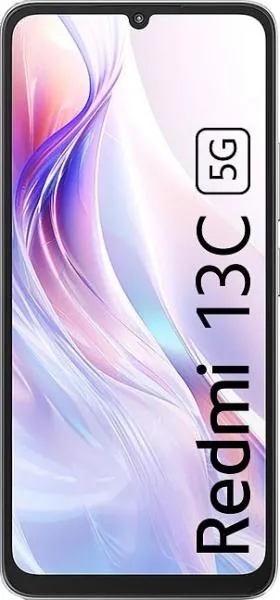
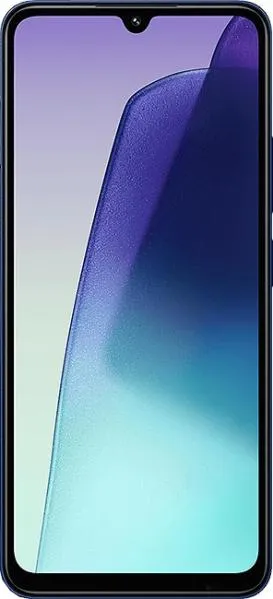
| Feature | Xiaomi Redmi 13C 5G | Xiaomi Redmi 14C | Practical Impact |
|---|---|---|---|
| Design | |||
| Dimensions | 168x78x8.1mm | 171.9x77.8x8.2mm | The 14C is slightly larger and thicker. Might be less comfortable for one-handed use. |
| Weight | 192g | 211g | The 14C is noticeably heavier, potentially leading to fatigue during extended use. |
| Display | |||
| Size | 6.74" | 6.88" | The 14C offers a slightly larger screen for more immersive content consumption. |
| Type | IPS LCD | IPS LCD | Both use the same display technology, expecting similar color accuracy and viewing angles. |
| Resolution | 720x1600 | 720x1640 | Negligible difference in resolution at this screen size. Sharpness will be comparable. |
| Refresh Rate | 90Hz | 120Hz | The 14C's 120Hz refresh rate will provide smoother scrolling and animations, resulting in a more fluid user experience. |
| Peak Brightness | Not specified | Not specified | Cannot compare peak brightness without data. Impacts outdoor visibility. |
| Performance | |||
| Chipset | Mediatek Dimensity 6100+ (6nm) | Mediatek Helio G81 Ultra | The Dimensity 6100+ is built on a smaller process node (6nm vs. likely 12nm for the G81), generally indicating better power efficiency and potentially better performance. "Ultra" in Helio G81 name doesn't guarantee superior performance and requires further investigation. |
| CPU | Octa-core (2x2.2 GHz Cortex-A76 & 6x2.0 GHz Cortex-A55) | Octa-core (2x2.0 GHz Cortex-A75 & 6x1.8 GHz Cortex-A55) | The 13C likely has a performance advantage due to faster clock speeds and newer CPU architecture (A76 vs. A75). This translates to faster app loading and smoother multitasking. |
| GPU | Mali-G57 MC2 | Mali-G52 MC2 | The Mali-G57 in the 13C is a more powerful GPU, offering better gaming performance and smoother graphics rendering. |
| RAM/Storage | 128GB/6GB RAM | 128GB/6GB RAM, 128GB/8GB RAM | The 14C offers an 8GB RAM option, beneficial for multitasking and demanding applications. |
| Battery | |||
| Capacity | 5000 mAh | 5160 mAh | The 14C has a slightly larger battery, potentially offering longer battery life. However, the 13C's more efficient chipset could offset this difference. |
| Other | |||
| OS | Android 13 | Android 14 | The 14C comes with the latest Android version, offering potential new features and security updates. |
| NFC | No | Yes | The 14C supports NFC for contactless payments and other functionalities. This is a significant advantage for many users. |
2. Key Differences Analysis
Xiaomi Redmi 13C 5G Advantages:
- Superior Performance: The Dimensity 6100+ chipset and Mali-G57 GPU offer significantly better performance for demanding tasks and gaming.
- Potentially Better Battery Life: Despite a smaller battery, the more efficient 6nm chipset could result in comparable or even better battery life.
Xiaomi Redmi 14C Advantages:
- Higher Refresh Rate Display: The 120Hz display offers a noticeably smoother and more responsive user experience.
- Larger Display: Provides a more immersive viewing experience for media consumption.
- NFC: Enables contactless payments and other convenient features.
- Newer Android Version: Offers the latest features and security updates.
- More RAM Option: The 8GB RAM вариант provides smoother multitasking for power users.
3. User Profiles & Recommendations
Redmi 13C 5G: Users who prioritize performance and value for money, especially for gaming or demanding applications.
Redmi 14C: Users who prioritize a smooth display experience, NFC functionality, and the latest software features. Less demanding users who prioritize media consumption.
4. Decision Framework
Key Questions for Buyers:
- Is top-tier performance crucial for your usage (gaming, heavy multitasking)? If yes, lean towards the 13C 5G.
- Is a smooth display with a higher refresh rate a priority? If yes, the 14C's 120Hz display is a significant advantage.
- Do you rely on NFC for contactless payments? If yes, the 14C is the only option.
My Choice: Xiaomi Redmi 13C 5G
While the Redmi 14C offers a smoother display and NFC, the Redmi 13C 5G's superior performance and potentially better battery life due to the more efficient chipset are more compelling to me. I prioritize a phone that can handle demanding tasks and last throughout the day. The newer Android version on the 14C is appealing, but the performance difference would be more noticeable in daily usage. I can live without a 120Hz display and use alternative payment methods. The significant performance gap makes the 13C 5G the better overall value for my needs.
