1. Specifications Comparison
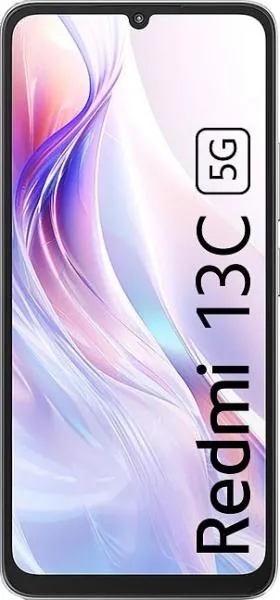
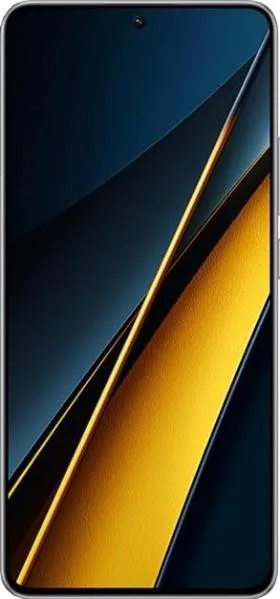
| Feature | Xiaomi Redmi 13C 5G | Xiaomi Poco X6 Pro | Practical Impact |
|---|---|---|---|
| Design | |||
| Dimensions | 168 x 78 x 8.1 mm | 160.5 x 74.3 x 8.3 mm | Poco X6 Pro is slightly shorter and narrower, but a bit thicker. Negligible difference in everyday use. |
| Weight | 192g | 186g | Poco X6 Pro is slightly lighter, but the difference is minimal. |
| Build | Not specified | Not specified | Build materials impact durability and premium feel. This information is missing. |
| Display | |||
| Display Type | IPS LCD | AMOLED | AMOLED offers significantly better contrast, deeper blacks, and potentially brighter colors. |
| Display Size | 6.74" | 6.67" | Negligible difference in screen real estate. |
| Resolution | 720 x 1600 (HD+) | 1220 x 2712 (FHD+) | Poco X6 Pro has a much sharper and more detailed display. Noticeably improved clarity for text, images, and videos. |
| Refresh Rate | 90Hz | 120Hz | Poco X6 Pro provides smoother scrolling and animations, resulting in a more fluid user experience. |
| Peak Brightness | 600 nits (HBM) | 1800 nits (peak) | Poco X6 Pro is significantly brighter, making it much more usable in direct sunlight. |
| Performance | |||
| Chipset | Mediatek Dimensity 6100+ (6 nm) | Mediatek Dimensity 8300 Ultra (4 nm) | Poco X6 Pro boasts a significantly more powerful chipset built on a smaller process node, resulting in better performance and efficiency. |
| CPU | Octa-core (2x2.2 GHz Cortex-A76 & 6x2.0 GHz Cortex-A55) | Octa-core (1x3.35 GHz Cortex-A715 & 3x3.20 GHz Cortex-A715 & 4x2.20 GHz Cortex-A510) | Poco X6 Pro has a more modern and powerful CPU architecture, enabling smoother multitasking and faster app loading. |
| GPU | Mali-G57 MC2 | Mali G615-MC6 | Poco X6 Pro features a more capable GPU, leading to significantly better gaming performance and graphics rendering. |
| RAM/Storage | 128GB/6GB RAM | 256GB/12GB RAM, 512GB/12GB RAM | Poco X6 Pro offers more RAM and storage options, allowing for smoother multitasking and ample space for apps and files. |
| Camera | |||
| Video Capabilities | 1080p@30fps | 4K@24/30fps (EIS), 1080p@30/60fps (EIS) | Poco X6 Pro offers superior video recording capabilities with higher resolution and frame rate options, along with Electronic Image Stabilization (EIS). |
| Other Camera Specs | Missing | Missing | Detailed camera specifications (sensor size, aperture, megapixels) are crucial for evaluating camera performance. This information is missing. |
| Battery | |||
| Capacity | 5000 mAh | 5000 mAh | Both phones have the same battery capacity. Actual battery life depends on usage and optimization. |
| Other | |||
| OS | Android 13 | Android 14 | Poco X6 Pro comes with a newer Android version, offering potential performance improvements and new features. |
| NFC | No | Yes | Poco X6 Pro supports NFC for contactless payments and other functionalities. |
2. Key Differences Analysis
Xiaomi Redmi 13C 5G Advantages:
- Potentially Lower Price: Likely more affordable given the lower-end specifications.
Xiaomi Poco X6 Pro Advantages:
- Superior Display: AMOLED with higher resolution, refresh rate, and peak brightness.
- Significantly Better Performance: More powerful chipset, CPU, and GPU.
- Enhanced Video Recording: 4K recording with EIS.
- More RAM and Storage: Smoother multitasking and ample storage space.
- NFC: Enables contactless payments.
- Newer OS: Android 14 with longer support.
3. User Profiles & Recommendations
Xiaomi Redmi 13C 5G: Budget-conscious users who prioritize basic functionality (calls, messaging, web browsing) and light media consumption.
Xiaomi Poco X6 Pro: Users who value a premium display, smooth performance for gaming and demanding tasks, ample storage, and features like NFC.
4. Decision Framework
Key Questions:
- What is your budget? The Redmi 13C 5G will likely be cheaper.
- What are your primary use cases? For basic tasks, the Redmi 13C 5G might suffice. For demanding tasks and gaming, the Poco X6 Pro is better.
- How important is display quality? The Poco X6 Pro offers a vastly superior display experience.
My Choice: Xiaomi Poco X6 Pro
While lacking complete camera specifications makes a fully informed decision challenging, the Poco X6 Pro is the clear winner based on the available data. Its superior display, significantly better performance, larger RAM and storage, NFC functionality, and newer Android version offer a considerably better user experience. Even if the price difference is substantial, the Poco X6 Pro's advantages in crucial areas like performance and display justify the higher cost for most users beyond those strictly seeking the absolute lowest price. The Redmi 13C 5G's only advantage is its potentially lower price, but the compromises in performance and features are significant.
