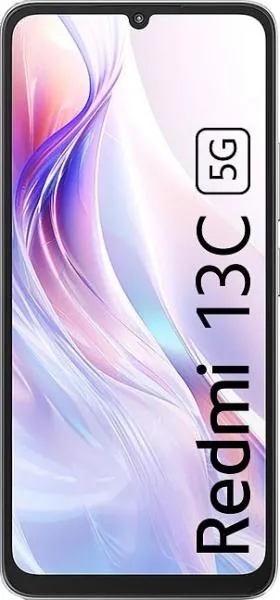
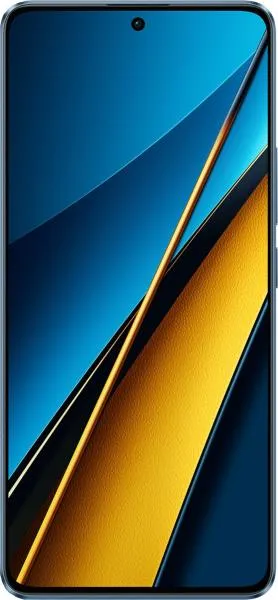
Xiaomi Redmi 13C 5G vs. Xiaomi Poco X6: A Deep Dive
Let's dissect the Xiaomi Redmi 13C 5G and the Poco X6, two intriguing mid-range contenders, to see which phone truly delivers the goods.
1. Specifications Breakdown
| Feature | Xiaomi Redmi 13C 5G | Xiaomi Poco X6 | Real-World Implications |
|---|---|---|---|
| Design | |||
| Dimensions | 168x78x8.1mm | 161.2x74.3x8mm | Poco X6 is noticeably more compact, making one-handed use easier. |
| Weight | 192g | 181g | Poco X6 is lighter, contributing to overall comfort. |
| Display | |||
| Type | IPS LCD, 90Hz | AMOLED, 120Hz | Poco X6 offers richer colors, deeper blacks, and smoother scrolling thanks to AMOLED technology and a higher refresh rate. |
| Resolution | 720x1600 | 1220x2712 | Poco X6 boasts significantly sharper visuals due to its higher resolution and pixel density. |
| Peak Brightness | 600 nits (HBM) | 1800 nits (peak) | Poco X6's display will be far more readable in direct sunlight. |
| Performance | |||
| Chipset | Dimensity 6100+ | Snapdragon 7s Gen 2 | Poco X6's Snapdragon chip generally offers better performance and efficiency, especially in demanding tasks and gaming. |
| CPU | Octa-core (2.2 GHz) | Octa-core (2.4 GHz) | Poco X6 has a slightly faster CPU clock speed, potentially leading to quicker app launches and multitasking. |
| GPU | Mali-G57 MC2 | Adreno 710 | Poco X6's Adreno GPU generally provides a superior gaming experience with higher frame rates and smoother graphics. |
| RAM | 6GB | 12GB | Poco X6 offers double the RAM, enabling seamless multitasking and keeping more apps open in the background without performance dips. |
| Storage | 128GB | 256/512GB | Poco X6 offers significantly more storage for apps, photos, videos, and files. |
| Other | |||
| Battery | 5000mAh | 5100mAh | Similar battery capacities, though real-world battery life will depend on usage patterns and optimization. |
| NFC | No | Yes | Poco X6 supports contactless payments and data transfer via NFC. |
| OS | Android 13 | Android 13 | Both run on Android 13, but the Poco X6 has a confirmed upgrade path to Android 16. |
2. Key Insights
The Redmi 13C 5G focuses on affordability, providing essential features like 5G connectivity and a large display. However, the Poco X6 clearly aims for a more premium experience. Its AMOLED display, powerful Snapdragon chip, ample RAM and storage, and under-display fingerprint sensor position it as the performance-oriented device.
3. User Profiles and Recommendations
- Redmi 13C 5G: Best for budget-conscious users who prioritize 5G connectivity for basic tasks like browsing, social media, and casual gaming. Students or individuals looking for a reliable secondary device would find this suitable.
- Poco X6: Ideal for users who demand a smooth and responsive experience for gaming, content creation, and multitasking. Photographers and videographers will appreciate the improved camera capabilities.
4. Buying Decision Framework
- What is your budget? The Redmi 13C 5G is significantly cheaper.
- What are your primary use cases? For basic tasks, the Redmi 13C 5G suffices. For demanding tasks and multimedia consumption, the Poco X6 excels.
- How important is display quality and performance? The Poco X6's AMOLED display and faster processor deliver a noticeable upgrade.
My Choice: The Poco X6
While the Redmi 13C 5G offers excellent value, I'd choose the Poco X6. The superior AMOLED display, significantly improved performance thanks to the Snapdragon 7s Gen 2 and 12GB of RAM, plus the future-proofing with Android 16 support, make it a compelling package. The slightly higher price is justified by the substantial jump in overall user experience. As someone who values a fluid, responsive device for both work and leisure, the Poco X6 aligns better with my needs. While I don't heavily game on my phone, having that extra power ensures smooth performance for years to come. The brighter, more vibrant display is also a huge draw for me, as I often use my phone outdoors.
