1. Specifications Comparison
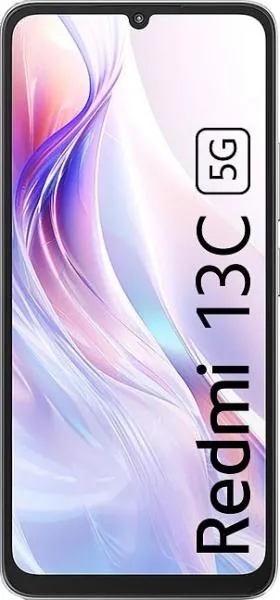
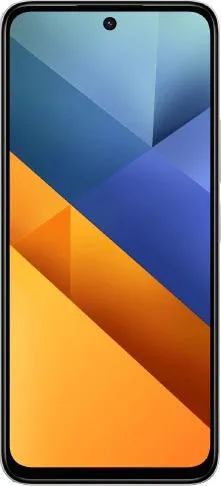
| Feature | Xiaomi Redmi 13C 5G | Xiaomi Poco M6 4G | Practical Impact |
|---|---|---|---|
| Design | |||
| Dimensions | 168x78x8.1mm | 168.6x76.3x8.3mm | Poco M6 is slightly narrower but thicker. Negligible difference in daily use. |
| Weight | 192g | 205g | Poco M6 is noticeably heavier, potentially impacting one-handed use. |
| Display | |||
| Size | 6.74" | 6.79" | Negligible difference in screen real estate. |
| Type | IPS LCD | IPS LCD | Both offer similar color accuracy and viewing angles. |
| Resolution | 720x1600 (HD+) | 1080x2460 (FHD+) | Poco M6 has significantly sharper text and images due to higher resolution. |
| Refresh Rate | 90Hz | 90Hz | Both offer smooth scrolling and animations. |
| Brightness (HBM) | 600 nits | 550 nits | Redmi 13C might be slightly more visible in direct sunlight. |
| Performance | |||
| Chipset | Mediatek Dimensity 6100+ (6nm) | Mediatek Helio G91 Ultra (12nm) | Dimensity 6100+ is built on a smaller process node, leading to better power efficiency and potentially better sustained performance. |
| CPU | Octa-core (2x2.2 GHz Cortex-A76 & 6x2.0 GHz Cortex-A55) | Octa-core (2x2.0 GHz Cortex-A75 & 6x1.8 GHz Cortex-A55) | Redmi 13C likely offers better performance in demanding tasks. |
| GPU | Mali-G57 MC2 | Mali-G52 MC2 | Redmi 13C likely provides smoother gaming and graphics performance. |
| RAM/Storage | 6GB/128GB | 8GB/256GB | Poco M6 offers more RAM for multitasking and significantly more storage. |
| Connectivity | |||
| 5G | Yes | No | Redmi 13C offers faster cellular data speeds and future-proofing. |
| NFC | No | Yes | Poco M6 allows for contactless payments and other NFC functionalities. |
| USB | USB Type-C 2.0 | USB Type-C | While both are USB-C, the specific version for Poco M6 isn't specified, limiting analysis of data transfer speeds. |
| Other | |||
| OS | Android 13 | Android 14 | Poco M6 comes with a newer Android version, offering potential features and security updates. |
| Battery | 5000 mAh | 5030 mAh | Negligible difference in battery capacity. Real-world battery life depends on usage and optimization. |
| Price Range | Medium | Low | Poco M6 offers a lower price point. |
2. Key Differences Analysis
Redmi 13C 5G Advantages:
- Superior Performance: The Dimensity 6100+ chipset and more powerful GPU offer better performance for gaming and demanding applications.
- 5G Connectivity: Provides faster data speeds and future-proofing.
- Potentially Better Battery Efficiency: 6nm chipset suggests better power management.
Poco M6 4G Advantages:
- Sharper Display: Higher resolution FHD+ screen delivers a significantly better visual experience.
- Larger Storage: 256GB offers ample space for apps, media, and files.
- More RAM: 8GB RAM enables better multitasking performance.
- NFC: Enables contactless payments and other NFC functionalities.
- Lower Price: Offers better value for budget-conscious users.
- Newer Android OS: Comes with Android 14, potentially offering more features and longer software support.
Trade-offs:
- Redmi 13C: Lower resolution display, less storage, no NFC, higher price.
- Poco M6: Slower performance, no 5G, heavier.
3. User Profiles & Recommendations
Redmi 13C 5G: Suitable for users who prioritize performance, 5G connectivity, and future-proofing. Ideal use cases include mobile gaming, streaming high-definition content, and areas with strong 5G coverage.
Poco M6 4G: Best for budget-conscious users who value a sharp display, ample storage, and NFC functionality. Excellent for everyday tasks, social media, web browsing, and contactless payments. Less suitable for demanding gaming or areas with limited 4G coverage.
4. Decision Framework
Key Questions for Buyers:
- Is 5G connectivity crucial? If yes, the Redmi 13C is the only option.
- What is your budget? The Poco M6 offers better value for budget-conscious buyers.
- What are your primary use cases? Gamers and power users will appreciate the Redmi 13C's performance, while casual users might find the Poco M6's display and storage more appealing.
My Choice: Xiaomi Poco M6 4G
While the Redmi 13C offers better performance and 5G, the Poco M6's significantly sharper display, double the storage, extra RAM, NFC functionality, and lower price make it a more compelling option for me. I value the superior visual experience and ample storage for everyday use more than the marginal performance gain and 5G connectivity, especially considering the price difference. I am willing to compromise on raw performance for a better overall user experience in my typical usage scenarios (web browsing, social media, casual photography). The inclusion of NFC is also a significant advantage for contactless payments. The lack of 5G is not a dealbreaker for me currently, as 4G speeds are sufficient for my needs.
