1. Specifications Comparison
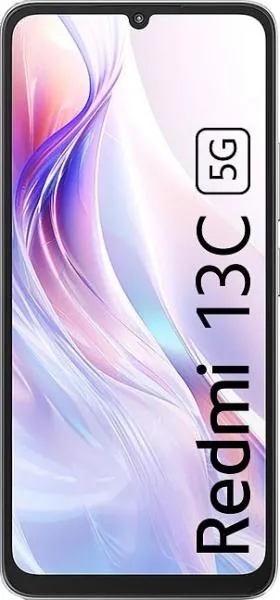
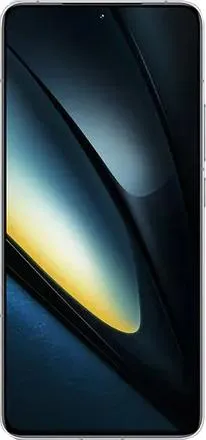
| Feature | Xiaomi Redmi 13C 5G | Xiaomi Poco F6 Pro | Practical Impact |
|---|---|---|---|
| Design | |||
| Dimensions | 168x78x8.1mm | 160.9x75x8.2mm | Poco F6 Pro is slightly smaller and thinner, potentially improving one-handed usability. |
| Weight | 192g | 209g | Redmi 13C is noticeably lighter, reducing hand fatigue during extended use. |
| Build Materials | Not specified | Not specified | Cannot compare build quality and durability without more information. |
| Display | |||
| Display Type | IPS LCD | AMOLED | Poco F6 Pro's AMOLED offers richer blacks, vibrant colors, and better power efficiency in dark mode. |
| Size | 6.74" | 6.67" | Negligible size difference. |
| Resolution | 720x1600 (HD+) | 1440x3200 (WQHD+) | Poco F6 Pro offers significantly sharper visuals due to much higher resolution. |
| Refresh Rate | 90Hz | 120Hz | Poco F6 Pro provides smoother scrolling and animations, enhancing the overall user experience. |
| Peak Brightness | 600 nits (HBM) | 4000 nits (peak) | Poco F6 Pro is vastly brighter, ensuring excellent outdoor visibility even in direct sunlight. |
| Performance | |||
| Chipset | Mediatek Dimensity 6100+ (6 nm) | Qualcomm Snapdragon 8 Gen 2 (4 nm) | Poco F6 Pro boasts a significantly more powerful processor, resulting in much faster performance for demanding tasks and gaming. |
| CPU | Octa-core (2x2.2 GHz A76 & 6x2.0 GHz A55) | Octa-core (1x3.2 GHz X3 & 2x2.8 GHz A715 & 2x2.8 GHz A710 & 3x2.0 GHz A510) | The superior architecture and clock speeds of the Snapdragon 8 Gen 2 provide a substantial performance advantage for the Poco F6 Pro. |
| GPU | Mali-G57 MC2 | Adreno 740 | Poco F6 Pro offers significantly better graphics performance for gaming and visually intensive applications. |
| RAM/Storage | 128GB/6GB RAM | 512GB/12GB RAM, 1TB/16GB RAM | Poco F6 Pro offers considerably more RAM and storage, enabling smoother multitasking and ample space for files and apps. |
| Camera | |||
| Video Capabilities | 1080p@30fps | Up to 8K@24fps | Poco F6 Pro offers significantly higher resolution video recording capabilities and more advanced features like EIS (Electronic Image Stabilization). Detailed camera specifications (sensor size, aperture) are missing for both phones, limiting a comprehensive comparison. |
| Battery | |||
| Capacity | 5000 mAh | 5000 mAh | Similar battery capacity; however, real-world battery life will depend on factors like software optimization and display efficiency. |
| Other | |||
| OS | Android 13 | Android 14 | Poco F6 Pro comes with a newer Android version, potentially offering more features and longer software support. |
| NFC | False | True | Poco F6 Pro supports NFC for contactless payments and other functionalities. |
2. Key Differences Analysis
Xiaomi Redmi 13C 5G Advantages:
- Lighter: Easier to hold and use for extended periods.
- Potentially More Affordable: Likely priced lower given the less powerful specifications.
Xiaomi Poco F6 Pro Advantages:
- Significantly More Powerful: Superior performance for demanding tasks, gaming, and multitasking.
- Higher Quality Display: Sharper, brighter, and more vibrant AMOLED screen with a faster refresh rate.
- More Storage and RAM: Smoother multitasking and ample storage space.
- Better Camera Capabilities: Higher resolution video recording capabilities.
- NFC: Enables contactless payments and other functionalities.
- Newer OS: Access to the latest Android features and longer software updates.
3. User Profiles & Recommendations
Redmi 13C 5G: Budget-conscious users who prioritize basic functionality, lightweight design, and long battery life. Suitable for everyday tasks like browsing, social media, and light gaming.
Poco F6 Pro: Power users, gamers, and content creators who demand top-tier performance, a high-quality display, and advanced features like NFC and high-resolution video recording.
4. Decision Framework
Key Questions for Buyers:
- What is your budget? The Redmi 13C 5G is likely more affordable.
- What are your primary use cases? For basic tasks, the Redmi 13C may suffice. For demanding tasks and gaming, the Poco F6 Pro is necessary.
- Do you prioritize performance, display quality, and features or affordability and lightweight design?
Scenario-Based Recommendations:
- Limited Budget, Basic Usage: Redmi 13C 5G
- Demanding Tasks, Gaming, Content Creation: Poco F6 Pro
My Choice: Xiaomi Poco F6 Pro
While the Redmi 13C 5G offers a lighter weight and potentially lower price, the Poco F6 Pro's superior performance, stunning display, and advanced features make it the clear winner for me. The Snapdragon 8 Gen 2, coupled with ample RAM and storage, ensures a smooth and responsive user experience for any task. The high-resolution AMOLED display with a 120Hz refresh rate offers a visually immersive experience. Features like NFC and high-resolution video recording further enhance its versatility. While heavier, the performance and feature advantages outweigh the weight difference for my personal needs. I prioritize a smooth, future-proof experience and am willing to pay more for it.
