1. Specifications Comparison
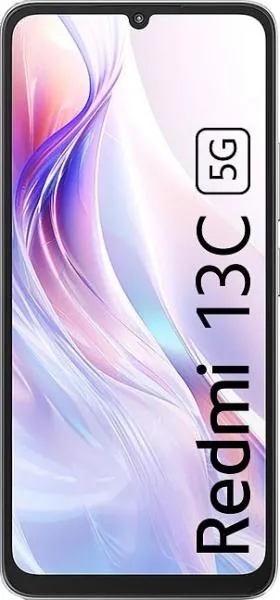
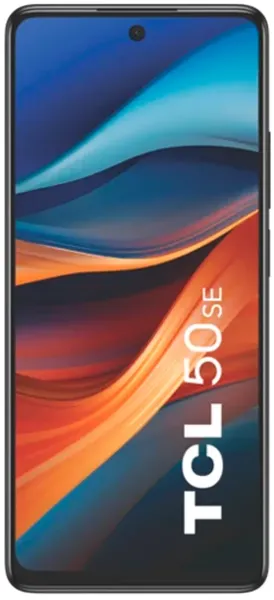
| Feature | Xiaomi Redmi 13C 5G | TCL 50 SE | Practical Impact |
|---|---|---|---|
| Design | |||
| Dimensions (mm) | 168 x 78 x 8.1 | 168.2 x 75.5 x 8.1 | TCL 50 SE is slightly narrower, potentially improving one-handed use. Depth and height are practically identical. |
| Weight (g) | 192 | 195 | Negligible weight difference; both will feel similar in hand. |
| Display | |||
| Size (inches) | 6.74 | 6.78 | TCL 50 SE offers a marginally larger screen, providing slightly more immersive content consumption. |
| Type | IPS LCD | IPS LCD | Both use IPS LCD technology, implying similar color accuracy and viewing angles. Expect decent but not flagship-level display quality. |
| Resolution | 720 x 1600 (HD+) | 1080 x 2460 (FHD+) | TCL 50 SE has a significantly sharper display, resulting in clearer text and images. This difference will be noticeable in everyday use. |
| Refresh Rate (Hz) | 90 | 90 | Both offer smooth scrolling and animations thanks to the 90Hz refresh rate. |
| Brightness (nits) | 450 (typ), 600 (HBM) | 550 (typ) | TCL 50 SE likely offers better visibility in bright sunlight due to higher typical brightness. While the Redmi 13C has a higher peak brightness for HDR content, it's unclear how often this is achieved. |
| Performance | |||
| Chipset | Mediatek Dimensity 6100+ (6nm) | Mediatek Helio G88 (12nm) | Redmi 13C 5G boasts a more powerful and efficient chipset built on a smaller process node. Expect significantly better performance in demanding tasks and games, along with better battery life. |
| CPU | Octa-core (2x2.2 GHz Cortex-A76 & 6x2.0 GHz Cortex-A55) | Octa-core (2x2.0 GHz Cortex-A75 & 6x1.8 GHz Cortex-A55) | Redmi 13C 5G has faster and more modern CPU cores, translating to smoother multitasking and quicker app launches. |
| GPU | Mali-G57 MC2 | Mali-G52 MC2 | Redmi 13C 5G possesses a more powerful GPU, providing a better gaming experience with higher frame rates and smoother visuals. |
| RAM | 6GB | 6GB | Both offer the same amount of RAM, sufficient for decent multitasking. |
| Storage | 128GB | 256GB | TCL 50 SE offers double the storage, allowing users to store more apps, photos, and videos. |
| Other | |||
| Battery (mAh) | 5000 | 5010 | Negligible difference in battery capacity; real-world battery life will depend more on software optimization and chipset efficiency. |
| OS | Android 13 | Android 14 | TCL 50 SE ships with a newer Android version, offering potential benefits in terms of features and security updates. |
| NFC | No | Yes | TCL 50 SE supports NFC for contactless payments and other functionalities. This is a significant advantage for users who rely on these features. |
2. Key Differences Analysis
Xiaomi Redmi 13C 5G Advantages:
- Significantly better performance: The Dimensity 6100+ outperforms the Helio G88 by a wide margin, resulting in smoother gaming, faster app loading, and better multitasking.
- More efficient chipset: The 6nm fabrication process of the Dimensity chip leads to better battery life compared to the 12nm Helio G88.
TCL 50 SE Advantages:
- Sharper display: The FHD+ resolution offers a much clearer and more detailed viewing experience.
- Larger storage: Double the storage capacity allows for storing more files and apps.
- NFC support: Enables contactless payments and other convenient features.
- Newer Android version: Offers the latest features and potentially longer software support.
3. User Profiles & Recommendations
Xiaomi Redmi 13C 5G: Ideal for users who prioritize performance and value speed for gaming or demanding applications. Budget-conscious users who don't need the sharpest display or NFC will find this phone appealing.
TCL 50 SE: Suitable for users who prioritize a large, sharp display for media consumption and appreciate the convenience of NFC. Users who need ample storage for photos, videos, and apps will also find this phone beneficial.
4. Decision Framework
Key Questions for Buyers:
- Is performance a top priority? If yes, the Redmi 13C 5G is the clear winner.
- Is a sharp display and ample storage crucial? If yes, the TCL 50 SE is the better choice.
- Is NFC a must-have feature? If yes, the TCL 50 SE is the only option.
My Choice: Xiaomi Redmi 13C 5G
While the TCL 50 SE offers a better display, larger storage, NFC, and a newer Android version, the significant performance difference of the Redmi 13C 5G is the deciding factor for me. I prioritize a smooth and responsive user experience, especially for tasks like gaming and multitasking. The more efficient chipset also promises better long-term performance and battery life. I can live without NFC and the slightly lower resolution display given the substantial performance advantage and likely lower price point of the Redmi 13C 5G. The sharper display of the TCL 50 SE is tempting, but a lagging phone quickly becomes frustrating regardless of screen quality.
