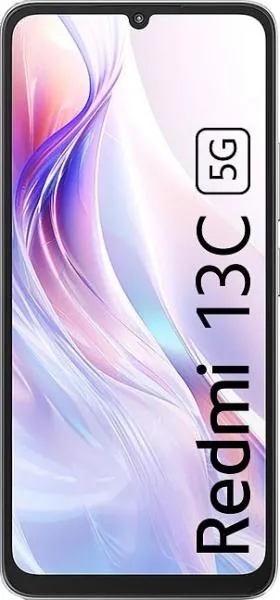
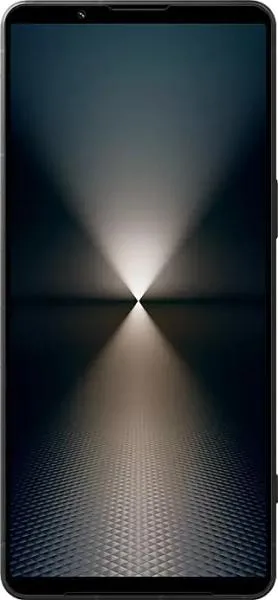
Let's dive into a comparative analysis of the Xiaomi Redmi 13C 5G and the Sony Xperia 1 VI, two smartphones occupying different ends of the "medium price" spectrum. My goal is to equip you with the knowledge to decide which phone best fits your needs.
1. Specifications Breakdown
| Feature | Xiaomi Redmi 13C 5G | Sony Xperia 1 VI | Real-World Implications |
|---|---|---|---|
| Design | |||
| Dimensions | 168x78x8.1mm | 162x74x8.2mm | Xperia 1 VI is slightly smaller and thinner, potentially more pocketable. |
| Weight | 192g | 192g | Identical weight. |
| Build Materials | Not specified | Not specified | Build quality and durability remain unknown without further information. |
| Display | |||
| Display Type | IPS LCD, 90Hz | LTPO OLED, 120Hz | Xperia 1 VI boasts superior contrast, deeper blacks, and smoother scrolling thanks to OLED technology and a higher refresh rate. Redmi 13C's LCD is likely less vibrant and power-efficient. |
| Resolution | 720x1600 | 1080x2340 | Sharper, more detailed visuals on the Xperia 1 VI due to higher resolution. Noticeably improved clarity for text, images, and videos. |
| Refresh Rate | 90Hz | 120Hz | Smoother animations and scrolling on the Xperia 1 VI. More responsive gaming experience. |
| Performance | |||
| Chipset | Mediatek Dimensity 6100+ | Qualcomm Snapdragon 8 Gen 3 | Significantly faster and more powerful performance on the Xperia 1 VI due to the flagship Snapdragon 8 Gen 3. Expect smoother multitasking, faster app loading, and superior gaming capabilities. |
| CPU | Octa-core (2x2.2 GHz A76 & 6x2.0 GHz A55) | Octa-core (1x3.3 GHz X4 & ... ) | Xperia 1 VI's CPU architecture and clock speeds indicate a substantial performance advantage, especially in demanding tasks. |
| GPU | Mali-G57 MC2 | Adreno 750 | Xperia 1 VI's Adreno 750 GPU delivers a considerably better gaming and graphics-intensive experience compared to the Redmi 13C's Mali-G57 MC2. |
| RAM | 6GB | 12GB | Double the RAM on the Xperia 1 VI allows for seamless multitasking and keeps more apps open in the background without performance slowdown. |
| Storage | 128GB | 512GB | Four times the storage on the Xperia 1 VI. Ample space for apps, photos, videos, and files. |
| Camera | |||
| Video Capabilities | 1080p@30fps | Up to 4K@120fps, 1080p@120fps | Xperia 1 VI offers significantly more advanced video recording capabilities, including higher resolution, frame rates, and likely better stabilization (OIS/EIS). |
| Other | |||
| OS | Android 13 | Android 14 | Xperia 1 VI launches with the latest Android version, offering potential feature and security advantages. It's also likely to receive longer software updates. |
| NFC | No | Yes | Xperia 1 VI supports contactless payments and data transfer via NFC. |
2. Key Insights
The Sony Xperia 1 VI is a clear winner in terms of performance, display, and features. It boasts a flagship-level processor, a stunning OLED display with a 120Hz refresh rate, and advanced video recording capabilities. However, its "medium price" designation suggests a significantly higher cost than the Redmi 13C.
The Xiaomi Redmi 13C 5G, on the other hand, focuses on affordability. While its specifications are modest compared to the Xperia, it provides essential features like 5G connectivity and a large display. It's likely targeted towards budget-conscious users who prioritize value over top-tier performance.
3. User Profiles and Recommendations
- Redmi 13C 5G: Best for users on a tight budget who primarily use their phone for basic tasks like calling, texting, browsing, and social media. Not recommended for demanding gaming or heavy multitasking.
- Xperia 1 VI: Ideal for power users, mobile gamers, photography enthusiasts, and anyone who demands top-tier performance and a premium display.
4. Buying Decision Framework
- What is your budget? The Redmi 13C 5G is likely significantly cheaper.
- What are your primary smartphone uses? Basic tasks vs. demanding applications.
- How important are display quality and performance? The Xperia 1 VI excels in these areas.
My Choice: Sony Xperia 1 VI
While lacking specific pricing details, assuming both phones fall within a broadly defined "medium price" range, I would choose the Sony Xperia 1 VI. The significantly superior processor (Snapdragon 8 Gen 3), the beautiful 120Hz OLED display, the extensive video recording features, and the future-proofed Android OS and larger storage make it a compelling package. For me, the long-term performance and user experience benefits outweigh the likely price premium. The Redmi 13C, while offering good value, represents a compromise on too many key features that I value in a smartphone. I prioritize a smooth, responsive, and future-proof device.
