1. Specifications Comparison
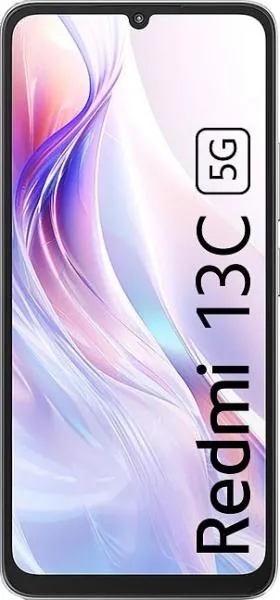
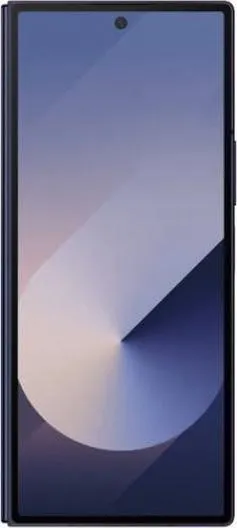
| Feature | Xiaomi Redmi 13C 5G | Samsung Galaxy Z Fold6 | Practical Impact |
|---|---|---|---|
| Design | |||
| Dimensions | 168x78x8.1mm | 153.5x132.6x5.6mm (folded) | Z Fold6 is significantly smaller when folded, enhancing portability, but larger unfolded, providing a tablet-like experience. Redmi 13C is a traditional slab phone design. |
| Weight | 192g | 239g | Redmi 13C is noticeably lighter, reducing hand fatigue during extended use. Z Fold6's weight is understandable given its foldable design and larger screen. |
| Foldable | No | Yes | The Z Fold6's folding screen offers unique versatility, transforming from a phone to a tablet. The Redmi 13C is a standard single-screen device. |
| Display | |||
| Display Type | IPS LCD | Foldable Dynamic AMOLED 2X | Z Fold6's AMOLED delivers superior contrast, vibrant colors, and deeper blacks. Redmi 13C's LCD is less power-efficient and offers less impressive visuals. |
| Size | 6.74" | 7.6" (unfolded), ~6.2" (cover screen) | Z Fold6 boasts significantly more screen real estate when unfolded, benefiting multitasking and media consumption. Redmi 13C has a large display for a budget phone. |
| Resolution | 720x1600 | 2176x1812 (unfolded), 2316x904 (cover screen) | Z Fold6 offers much sharper visuals due to its significantly higher resolution, especially noticeable when reading text or viewing images. |
| Refresh Rate | 90Hz | 120Hz | Z Fold6 provides smoother scrolling and animations thanks to its higher refresh rate. While 90Hz is good, 120Hz is noticeably more fluid. |
| Peak Brightness | 600 nits (HBM) | 2600 nits | Z Fold6 is dramatically brighter, ensuring excellent outdoor visibility even in direct sunlight. Redmi 13C's brightness may be insufficient in bright conditions. |
| Performance | |||
| Chipset | Mediatek Dimensity 6100+ (6 nm) | Qualcomm Snapdragon 8 Gen 3 (4 nm) | Snapdragon 8 Gen 3 significantly outperforms the Dimensity 6100+ offering significantly faster processing, smoother gaming, and better overall performance. |
| CPU | Octa-core (2x2.2 GHz Cortex-A76 & 6x2.0 GHz Cortex-A55) | Octa-core (1x3.39 GHz Cortex-X4 & 3x3.1 GHz Cortex-A720 & ...) | Z Fold6 has a more powerful and efficient CPU architecture, resulting in noticeable performance gains in demanding tasks and multitasking. |
| GPU | Mali-G57 MC2 | Adreno 750 | Adreno 750 provides a significant leap in graphics performance, enabling higher frame rates and smoother gameplay in demanding games. |
| RAM/Storage | 128GB/6GB | 512GB/12GB, 1TB/12GB | Z Fold6 offers substantially more RAM and storage, enabling smoother multitasking, faster app loading, and ample space for files and media. |
| Other | |||
| Battery | 5000 mAh | 4400 mAh | While the Redmi 13C has a larger battery capacity, real-world battery life will depend on usage patterns and the Z Fold6's more power-efficient display technology could potentially offer comparable battery life. |
| OS | Android 13 | Android 14 | Z Fold6 comes with a newer Android version offering the latest features and security updates. |
| NFC | No | Yes | Z Fold6 supports contactless payments and data transfer via NFC, a feature absent in the Redmi 13C. |
2. Key Differences Analysis
Redmi 13C Advantages:
- Lower Price: Significantly more affordable.
- Lighter Weight: More comfortable for extended use.
- Larger Battery: Potentially longer battery life, depending on usage.
Z Fold6 Advantages:
- Foldable Design: Unique versatility transforming between phone and tablet modes.
- Superior Performance: Significantly faster processor and graphics.
- Higher Quality Display: Brighter, sharper, and more vibrant AMOLED screen with 120Hz refresh rate.
- More RAM and Storage: Smoother multitasking and ample space for files.
- NFC: Enables contactless payments and data transfer.
3. User Profiles & Recommendations
Redmi 13C: Budget-conscious users prioritizing basic communication, web browsing, and light media consumption. Ideal for users who value affordability and battery life over cutting-edge features.
Z Fold6: Power users and tech enthusiasts who value top-tier performance, a large and innovative display, and multitasking capabilities. Ideal for professionals, content creators, and anyone seeking a premium mobile experience.
4. Decision Framework
Key Questions:
- What is your budget? The Redmi 13C is a budget option, while the Z Fold6 is a premium flagship.
- What are your primary use cases? Basic communication vs. demanding tasks, multitasking, and media consumption.
- Do you value portability and a large screen? The Fold6 offers both, but with added weight and complexity.
My Choice: Samsung Galaxy Z Fold6
While the Redmi 13C offers good value for its price, the Z Fold6's superior performance, innovative foldable design, and stunning display are compelling. The advantages in multitasking, media consumption, and overall user experience justify the higher price for my needs. The Snapdragon 8 Gen 3, ample RAM and storage, bright AMOLED screen, and the unique form factor make the Z Fold6 a more future-proof and versatile device. Though heavier and more expensive, the transformative nature of the foldable screen and the significant performance upgrade make it the clear winner for me. I prioritize performance and a premium user experience and am willing to pay a premium for that.
