1. Specifications Comparison
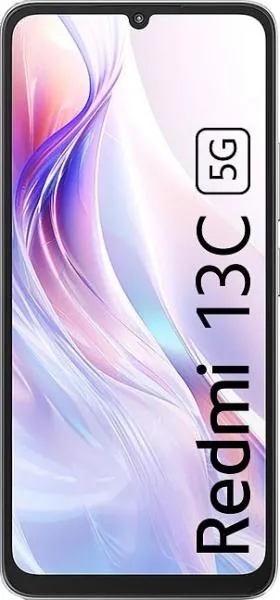
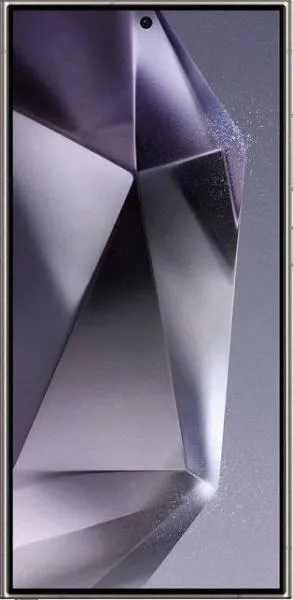
| Feature | Xiaomi Redmi 13C 5G | Samsung Galaxy S24 Ultra | Practical Impact |
|---|---|---|---|
| Design | |||
| Dimensions | 168 x 78 x 8.1 mm | 162.3 x 79 x 8.6 mm | S24 Ultra slightly shorter, narrower, but thicker. Negligible difference in everyday use. |
| Weight | 192g | 232g | Redmi 13C noticeably lighter, reducing hand fatigue during extended use. |
| Build Materials | Not specified | Not specified | Cannot compare build quality and durability without material information. |
| Display | |||
| Display Type | IPS LCD, 90Hz | Dynamic LTPO AMOLED 2X, 120Hz | S24 Ultra offers superior contrast, deeper blacks, and smoother scrolling due to AMOLED technology and higher refresh rate. |
| Resolution | 720 x 1600 (HD+) | 1440 x 3120 (WQHD+) | S24 Ultra boasts significantly sharper visuals with much higher pixel density. |
| Peak Brightness | 600 nits (HBM) | 2600 nits | S24 Ultra dramatically brighter, ensuring excellent outdoor visibility even in direct sunlight. Redmi 13C's screen might be difficult to see outdoors. |
| Performance | |||
| Chipset | Mediatek Dimensity 6100+ (6 nm) | Qualcomm Snapdragon 8 Gen 3 (4 nm) | S24 Ultra significantly more powerful, enabling smoother multitasking, faster app loading, and superior gaming performance. |
| CPU | Octa-core (2x2.2 GHz Cortex-A76 & 6x2.0 GHz Cortex-A55) | Octa-core (1x3.39GHz Cortex-X4 & 3x3.1GHz Cortex-A720 & 2x2.9GHz Cortex-A720 & 2x2.2GHz Cortex-A520) | S24 Ultra's CPU architecture and clock speeds deliver a substantial performance advantage for demanding tasks. |
| GPU | Mali-G57 MC2 | Adreno 750 (1 GHz) | S24 Ultra's GPU offers drastically better graphics performance for high-end gaming and graphically intensive applications. |
| RAM/Storage | 128GB/6GB RAM | 512GB/12GB RAM, 1000GB/12GB RAM | S24 Ultra offers much more RAM and storage, enabling smoother multitasking and ample space for apps and files. |
| Camera | |||
| Video Capabilities | 1080p@30fps | Up to 8K@30fps and 4K@120fps | S24 Ultra capable of recording significantly higher resolution and frame rate video with more advanced features (HDR, EIS). |
| Battery | |||
| Capacity | 5000 mAh | 5000 mAh | Similar battery capacity, but actual battery life will depend on software optimization and power consumption of each device. |
2. Key Differences Analysis
Xiaomi Redmi 13C 5G Advantages:
- Lighter Weight: Noticeably more comfortable for extended use.
- Lower Price: Expected to be significantly more affordable.
Samsung Galaxy S24 Ultra Advantages:
- Significantly more powerful: Superior performance in all aspects.
- Much better display: Higher resolution, refresh rate, brightness, and contrast.
- Superior camera capabilities: Higher resolution video recording and advanced features.
- More RAM and Storage: Smoother multitasking and ample space for files.
- More advanced features: NFC, newer USB standard, under-display fingerprint sensor.
3. User Profiles & Recommendations
Redmi 13C 5G: Budget-conscious users who prioritize basic functionality (calling, texting, web browsing) and a lightweight device.
Galaxy S24 Ultra: Power users, gamers, content creators, and anyone who demands top-tier performance, display quality, and camera capabilities.
4. Decision Framework
Key Questions:
- What is your budget?
- What are your primary smartphone usage patterns?
- Do you prioritize performance, display quality, and advanced features, or affordability and basic functionality?
Scenario-Based Recommendations:
- Limited Budget, Basic Usage: Redmi 13C 5G
- Demanding User, High Budget: Galaxy S24 Ultra
My Choice: Samsung Galaxy S24 Ultra
While the Redmi 13C 5G offers a lightweight design and affordability, the Galaxy S24 Ultra's superior performance, stunning display, advanced camera features, and ample RAM/storage make it the clear winner for me. I prioritize a smooth and responsive user experience, high-quality visuals, and the ability to handle demanding tasks. The S24 Ultra's significant advantages in these areas outweigh the higher price and slightly heavier weight. The improved video recording capabilities and brighter screen are crucial for my needs. Although both have the same battery capacity, I expect the S24 Ultra's optimized chip to provide better battery life in real-world usage. While price is always a factor, the overall value proposition of the S24 Ultra makes it the better choice for my usage.
