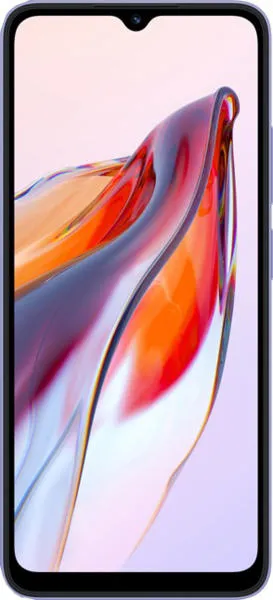

Xiaomi Redmi 12C vs. ZTE nubia Z60 Ultra: A Deep Dive
Let's dissect these two phones, the budget-friendly Redmi 12C and the powerhouse Nubia Z60 Ultra, to see what they offer and who they're for.
1. Specifications Breakdown
| Feature | Xiaomi Redmi 12C | ZTE nubia Z60 Ultra | Real-World Implications |
|---|---|---|---|
| Design | |||
| Dimensions (mm) | 168.8 x 76.4 x 8.8 | 164 x 76.4 x 8.8 | Z60 Ultra slightly shorter, same width and depth. Negligible difference in hand feel. |
| Weight (g) | 192 | 246 | Redmi 12C significantly lighter, more comfortable for extended use. Z60 Ultra feels premium. |
| Build Material | Plastic | Glass/Metal | Z60 Ultra offers a more premium, durable feel. Redmi 12C prioritizes affordability. |
| Display | |||
| Size (inches) | 6.71 | 6.8 | Z60 Ultra slightly larger screen. |
| Resolution | 720 x 1650 | 1116 x 2480 | Z60 Ultra dramatically sharper and more detailed display. Redmi 12C adequate for basic tasks. |
| Panel Type | IPS LCD | AMOLED | Z60 Ultra boasts vibrant colors, deeper blacks, and better power efficiency. Redmi 12C decent outdoors. |
| Refresh Rate | N/A | 120Hz | Z60 Ultra smoother scrolling and animations, enhancing gaming and overall responsiveness. |
| Performance | |||
| Chipset | Helio G85 | Snapdragon 8 Gen 3 | Z60 Ultra vastly more powerful, handles demanding games and multitasking effortlessly. Redmi 12C basic. |
| CPU | Octa-core 2.0 GHz | Octa-core 3.3 GHz | Z60 Ultra significantly faster CPU performance. |
| GPU | Mali-G52 MC2 | Adreno 750 | Z60 Ultra superior graphics performance for gaming and visually intensive applications. |
| RAM | 3/4/6GB | 12/16/24GB | Z60 Ultra offers much more RAM for smooth multitasking and demanding applications. |
| Camera | |||
| Main Camera | 50MP | 54MP, Sony IMX800 | Z60 Ultra likely better image quality with a larger sensor and advanced features. |
| Video Recording | 1080p@30fps | 8K@30fps | Z60 Ultra capable of significantly higher resolution video recording. |
| Battery Life | |||
| Capacity (mAh) | 5000 | 6000 | Both offer good battery life, Z60 Ultra potentially longer due to larger capacity and AMOLED efficiency. |
2. Key Insights
The Redmi 12C is a budget device prioritizing affordability. It's adequate for basic tasks like calling, texting, and browsing. The Z60 Ultra, on the other hand, is a flagship phone with top-tier specs, designed for demanding users and gamers. The difference in display quality, processing power, and camera capabilities is substantial.
3. User Profiles and Recommendations
Redmi 12C: Best for budget-conscious users who prioritize essential features and long battery life. Ideal for casual users who primarily use their phone for communication and light browsing. Students or seniors on a tight budget would find this suitable.
Z60 Ultra: Perfect for power users, gamers, and photography enthusiasts. Those who demand the best performance, latest features, and a premium experience would appreciate this phone. Content creators and mobile professionals would also benefit from its capabilities.
4. Buying Decision Framework
- What's your budget? The Redmi 12C is significantly cheaper.
- What do you primarily use your phone for? Basic tasks vs. demanding applications and gaming.
- How important is display quality and camera performance? The Z60 Ultra excels in these areas.
My Choice: As a tech journalist who tests demanding applications and appreciates a premium experience, I'd choose the ZTE nubia Z60 Ultra. The superior display, powerful processor, ample RAM, and advanced camera features are essential for my workflow. While the price is higher, the significant performance leap and feature set justify the investment for my needs. I value a smooth, responsive experience and high-quality visuals, which the Z60 Ultra delivers in spades. The Redmi 12C, while a solid budget option, wouldn't meet my requirements for long-term performance and advanced capabilities.
