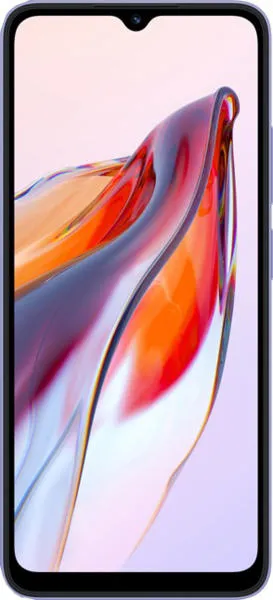
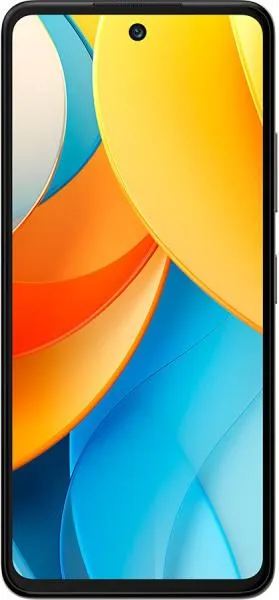
Xiaomi Redmi 12C vs. ZTE Blade V60 Design: A Detailed Comparison
Let's dive deep into a comparative analysis of the Xiaomi Redmi 12C and the ZTE Blade V60 Design, two budget-friendly smartphones vying for your attention. We'll dissect their specifications, translate them into real-world implications, and ultimately help you decide which device best fits your needs.
1. Specifications Breakdown
| Feature | Xiaomi Redmi 12C | ZTE Blade V60 Design | Real-World Implications |
|---|---|---|---|
| Design | |||
| Dimensions (mm) | 168.8 x 76.4 x 8.8 | 164.2 x 75.3 x 8.6 | V60 Design is slightly more compact, potentially improving one-handed use. |
| Weight (g) | 192 | 198 | Negligible weight difference; both feel substantial in hand. |
| Build Material | Plastic | Plastic | Expect a similar feel in terms of durability and premium feel (or lack thereof). |
| Fingerprint Sensor | Rear-mounted | Side-mounted | Personal preference dictates which placement is more ergonomic. |
| USB Port | microUSB 2.0 | USB Type-C 2.0 | V60 Design offers the more modern, reversible USB-C port. |
| Display | |||
| Size | 6.71" | 6.6" | Redmi 12C offers a marginally larger screen. |
| Resolution | 720 x 1650 | 720 x 1612 | Virtually identical sharpness; neither boasts Full HD resolution. |
| Refresh Rate | - | 90Hz | V60 Design's 90Hz delivers smoother scrolling and animations. |
| Display Type | IPS LCD | IPS LCD | Expect similar color accuracy and viewing angles. |
| Performance | |||
| Chipset | Helio G85 | Unisoc T606 | Both offer entry-level performance; G85 potentially slightly faster. |
| CPU | Octa-core | Octa-core | Core configurations suggest comparable multitasking capabilities. |
| GPU | Mali-G52 MC2 | Mali-G57 MP1 | G57 architecture in V60 Design might offer a slight gaming edge. |
| RAM | 3/4/6GB | 6GB | V60 Design's 6GB RAM configuration should provide smoother multitasking. |
| Storage | 32/64/128GB | 256GB | V60 Design offers significantly more storage. |
| Camera | |||
| Main Camera | 50MP | 50MP | Megapixel count is similar; real-world image quality needs further testing. |
| Front Camera | 5MP | 8MP | V60 Design likely offers better selfie quality. |
| Battery Life | |||
| Capacity | 5000mAh | 5000mAh | Expect similar battery life, though real-world usage will vary. |
2. Key Insights
The Redmi 12C focuses on affordability, offering various RAM and storage configurations to suit different budgets. Its strengths lie in its large display and long-lasting battery. However, it lags behind the V60 Design in key areas like USB connectivity (microUSB vs. USB-C) and display refresh rate (standard vs. 90Hz).
The V60 Design, while slightly pricier, boasts a smoother 90Hz display, a more modern USB-C port, and a larger base storage option. The side-mounted fingerprint sensor might be preferable for some users. However, the Unisoc processor might not match the Helio G85 in raw performance, though the Mali-G57 GPU may offer some advantages in certain tasks.
3. User Profiles and Recommendations
Redmi 12C: Ideal for budget-conscious users who prioritize a large screen and long battery life for basic tasks like browsing, social media, and casual gaming. The multiple configurations allow users to tailor the phone to their exact storage and RAM needs, potentially saving money.
V60 Design: Suitable for users who value a smoother user experience thanks to the 90Hz display and prefer a more modern design with USB-C charging. The ample 256GB storage caters to those who store lots of media or apps.
4. Buying Decision Framework
- What's your budget? The Redmi 12C offers a lower entry point with its various configurations.
- Do you prioritize a smooth display or a larger screen size? The V60 Design excels in smoothness with its 90Hz display, while the Redmi 12C provides a slightly larger canvas.
- How important is storage space? The V60 Design's 256GB offers significantly more room for apps, photos, and videos.
My Choice: ZTE Blade V60 Design
While the Redmi 12C's flexibility in pricing is appealing, I'd opt for the ZTE Blade V60 Design. The 90Hz refresh rate significantly enhances daily interactions, making scrolling and animations feel noticeably smoother. The modern USB-C port is a welcome addition, and the generous 256GB storage eliminates concerns about running out of space. While benchmark comparisons of the Helio G85 and Unisoc T606 will be needed to make a definitive performance assessment, the overall user experience offered by the V60 Design, coupled with its future-proof design elements, edges it out for me. The slightly higher price is a worthwhile investment for the tangible benefits it provides in terms of daily usability and longevity.
