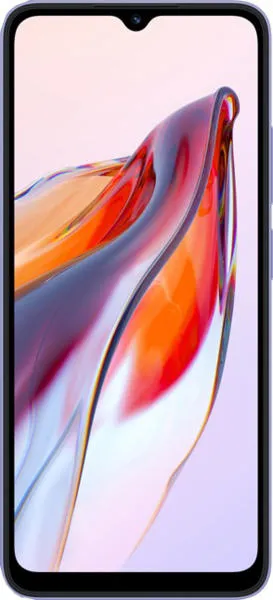
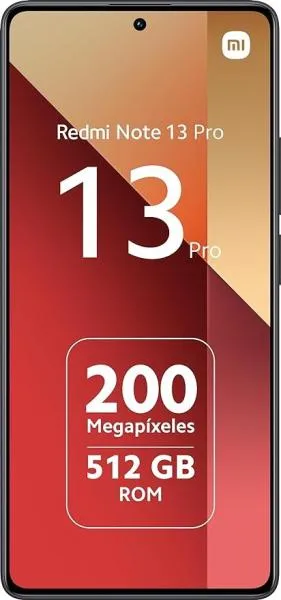
Xiaomi Redmi 12C vs. Xiaomi Redmi Note 13 Pro 4G: A Deep Dive
Hello, fellow tech enthusiasts! Today, we're dissecting two Xiaomi phones vying for your attention: the budget-friendly Redmi 12C and the mid-range Redmi Note 13 Pro 4G. Let's cut through the marketing fluff and see how they stack up in the real world.
1. Specifications Breakdown
| Feature | Xiaomi Redmi 12C | Xiaomi Redmi Note 13 Pro 4G | Real-World Implications |
|---|---|---|---|
| Design | |||
| Dimensions (mm) | 168.8 x 76.4 x 8.8 | 161.1 x 75 x 8 | 12C is slightly larger and thicker. Note 13 Pro feels more premium. |
| Weight (g) | 192 | 188 | Negligible difference in daily use. |
| Build | Plastic | Likely Glass/Aluminum (Not specified) | Note 13 Pro likely offers better durability and a more premium feel. |
| Display | |||
| Type | IPS LCD | AMOLED | Note 13 Pro offers richer colors, deeper blacks, and better contrast. |
| Size (inches) | 6.71 | 6.67 | Nearly identical screen real estate. |
| Resolution | 720 x 1650 | 1080 x 2400 | Note 13 Pro significantly sharper; better for media consumption. |
| Refresh Rate (Hz) | - | 120 | Note 13 Pro offers smoother scrolling and animations. |
| Performance | |||
| Chipset | Helio G85 | Helio G99 Ultra | Note 13 Pro boasts significantly improved CPU and GPU performance. |
| CPU | Octa-core (2x2.0 GHz Cortex-A75 & 6x1.8 GHz Cortex-A55) | Octa-core (2x2.2 GHz Cortex-A76 & 6x2.0 GHz Cortex-A55) | Noticeably faster app loading, multitasking, and gaming on Note 13 Pro. |
| RAM (GB) | 3/4/6 | 8/12 | Note 13 Pro handles demanding tasks with ease; better for future-proofing. |
| Storage (GB) | 64/128 | 128/256/512 | More storage options on the Note 13 Pro. |
| Camera | |||
| Main Camera (MP) | 50 | 200 | Note 13 Pro boasts higher resolution and potentially better low-light performance. |
| Features | Basic | OIS, Night Mode, 4K Video | Note 13 Pro offers a more versatile and feature-rich camera system. |
| Battery Life | |||
| Capacity (mAh) | 5000 | 5000 | Similar battery capacity; real-world usage will depend on optimization. |
2. Key Insights
The Redmi 12C is a pure budget play, aiming to deliver essential smartphone functionality at the lowest possible price. Its strengths lie in its large display (though low resolution) and long-lasting battery. However, performance will be limited, especially for demanding tasks or gaming.
The Redmi Note 13 Pro 4G represents a significant step up. It offers a vibrant AMOLED display with a high refresh rate, a powerful processor, ample RAM and storage, and a vastly superior camera system. While the battery capacity is the same, the more efficient chip in the Note 13 Pro could potentially result in better battery life.
3. User Profiles and Recommendations
Redmi 12C: Ideal for budget-conscious users who primarily use their phones for calling, texting, browsing, and light social media. Students or seniors seeking a simple, affordable device would find this suitable.
Redmi Note 13 Pro 4G: Suited for users who demand more performance, a better multimedia experience, and a capable camera. Gamers, content creators, and those who multitask heavily will appreciate the upgrade.
4. Buying Decision Framework
- What's your budget? The 12C is significantly cheaper.
- What are your primary phone usage patterns? Light usage vs. demanding tasks.
- How important are camera quality and display to you? The Note 13 Pro excels in both areas.
My Choice: Redmi Note 13 Pro 4G
While the Redmi 12C is a respectable budget option, I'd choose the Redmi Note 13 Pro 4G. The superior AMOLED display, significantly faster processor, enhanced camera system, and future-proof RAM/storage combination make it a much more compelling device for my needs. I value a smooth and responsive user experience, enjoy mobile photography, and need a phone that can handle multitasking without slowing down. The price premium for the Note 13 Pro is justified by the substantial upgrade in features and performance. It's a device I wouldn't feel the need to replace anytime soon.
