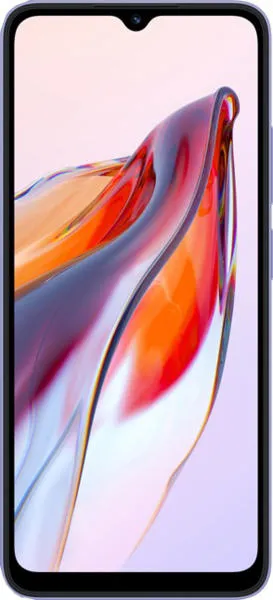
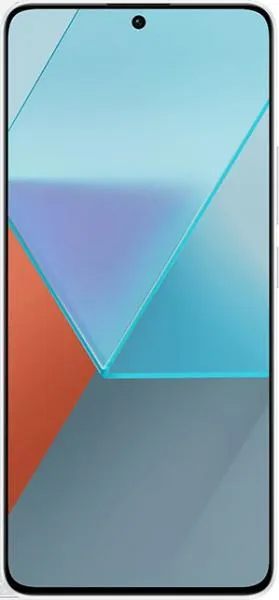
Xiaomi Redmi 12C vs. Xiaomi Redmi Note 13 Pro: A Deep Dive
Let's dissect the Xiaomi Redmi 12C and the Redmi Note 13 Pro, two phones targeting different segments of the market. I'll break down their specs, analyze their real-world performance, and help you decide which one fits your needs.
1. Specifications Breakdown
| Feature | Xiaomi Redmi 12C | Xiaomi Redmi Note 13 Pro | Real-World Implications |
|---|---|---|---|
| Design | |||
| Dimensions (mm) | 168.8 x 76.4 x 8.8 | 161.2 x 74.2 x 8 | 12C is slightly larger, thicker |
| Weight (g) | 192 | 187 | Negligible difference in hand |
| Build Materials | Plastic | Glass front, plastic frame, plastic back | Note 13 Pro feels more premium |
| Display | |||
| Display Type | IPS LCD | AMOLED | Note 13 Pro: vibrant colors, deeper blacks, better outdoor visibility |
| Size (inches) | 6.71 | 6.67 | Virtually the same screen real estate |
| Resolution | 720 x 1650 | 1220 x 2712 | Note 13 Pro: significantly sharper, more detailed visuals |
| Refresh Rate (Hz) | - | 120 | Note 13 Pro: smoother scrolling, more responsive gaming |
| Performance | |||
| Chipset | Helio G85 | Snapdragon 7s Gen 2 | Note 13 Pro: much faster processing, better gaming performance |
| CPU | Octa-core (2x2.0 GHz Cortex-A75 & 6x1.8 GHz Cortex-A55) | Octa-core (4x2.4 GHz Cortex-A78 & 4x1.95 GHz Cortex-A55) | Note 13 Pro: significantly improved multi-core performance for demanding tasks |
| GPU | Mali-G52 MC2 | Adreno 710 | Note 13 Pro: noticeably better graphics rendering for gaming and visually intensive apps |
| RAM | 3/4/6GB | 8/12/16GB | Note 13 Pro: smoother multitasking, handles demanding apps with ease |
| Camera | |||
| Main Camera | 50MP | 200MP | Note 13 Pro: potentially higher resolution photos, more detail (dependent on software processing) |
| Video Recording | 1080p@30fps | 4K@30fps | Note 13 Pro: higher resolution video recording |
| Battery Life | |||
| Capacity (mAh) | 5000 | 5100 | Negligible difference in battery capacity |
| Charging | microUSB | USB Type-C | Note 13 Pro: faster charging, more modern connector |
| Other | |||
| NFC | Yes | Yes | Contactless payments supported on both |
| Price Range | Low | Medium | Significant price difference |
2. Key Insights
The Redmi Note 13 Pro significantly outperforms the 12C in every aspect except battery capacity, where the difference is marginal. The Note 13 Pro boasts a superior AMOLED display with a 120Hz refresh rate, resulting in a dramatically smoother and more visually appealing user experience. The Snapdragon 7s Gen 2 chipset delivers a substantial performance boost, making the Note 13 Pro ideal for demanding tasks and gaming. The 200MP main camera promises increased detail in photos, but real-world performance will depend heavily on Xiaomi's image processing. The Redmi 12C, however, shines in its affordability. It offers basic smartphone functionality at a fraction of the price.
3. User Profiles and Recommendations
- Redmi 12C: Ideal for budget-conscious users who prioritize basic communication, social media browsing, and light web use. Students, senior citizens, or anyone looking for a simple, affordable secondary device would find it suitable.
- Redmi Note 13 Pro: Designed for users seeking a well-rounded experience with a focus on performance, multimedia consumption, and mobile gaming. Photographers might be intrigued by the 200MP camera.
4. Buying Decision Framework
- What is your budget? If price is your primary concern, the Redmi 12C is the clear choice.
- What are your primary use cases? For demanding tasks, gaming, and multimedia, the Note 13 Pro is a better fit. For basic communication and light usage, the 12C suffices.
- How important is display quality? If you value vibrant colors, deep blacks, and smooth scrolling, the AMOLED display of the Note 13 Pro is a significant advantage.
My Choice: Redmi Note 13 Pro
While the Redmi 12C offers incredible value for its price, I would choose the Redmi Note 13 Pro. The significantly improved performance, stunning AMOLED display with 120Hz, and the potential of the 200MP camera (even with the caveat of software processing) are compelling. I prioritize a fluid user experience and appreciate the versatility a powerful processor offers for multitasking and future-proofing. The price difference is justified by the leap in overall quality and capabilities. While I'm always mindful of budget, the long-term benefits of a more powerful and feature-rich device outweigh the initial cost savings in this case. The superior display alone would significantly enhance my daily interaction with the phone. I also appreciate the faster charging and more modern USB Type-C port.
