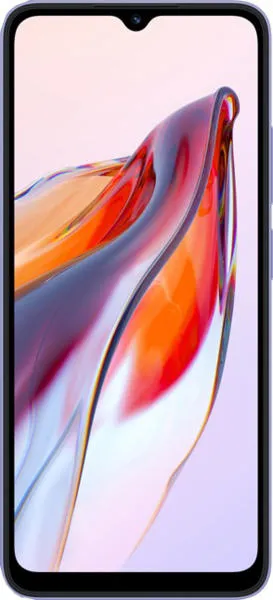
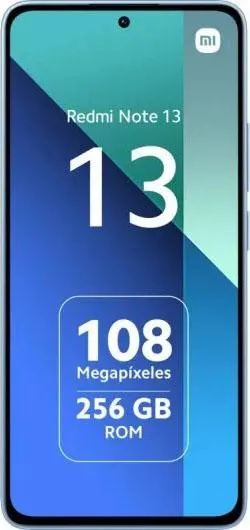
Let's dive into a comparative analysis of the Xiaomi Redmi 12C and the Xiaomi Redmi Note 13 4G, dissecting their specifications and uncovering what they truly offer users.
1. Specifications Breakdown
| Feature | Xiaomi Redmi 12C | Xiaomi Redmi Note 13 4G | Real-World Implications |
|---|---|---|---|
| Design | |||
| Dimensions (mm) | 168.8 x 76.4 x 8.8 | 162.3 x 75.6 x 8 | Redmi Note 13 4G is slightly more compact. |
| Weight (g) | 192 | 188.5 | Negligible weight difference. |
| Build Material | Plastic | Plastic | Expect similar durability; case recommended for both. |
| Display | |||
| Type | IPS LCD | AMOLED | Note 13 4G offers deeper blacks, vibrant colors, and better power efficiency in dark mode. |
| Size | 6.71" | 6.67" | Virtually identical screen real estate. |
| Resolution | 720 x 1650 | 1080 x 2400 | Note 13 4G boasts significantly sharper visuals (395 PPI vs 268 PPI), impacting clarity in text, images, and videos. |
| Refresh Rate | - | 120Hz | Smoother scrolling and animations on the Note 13 4G, enhancing the overall user experience. |
| Performance | |||
| Chipset | Helio G85 | Snapdragon 685 | Note 13 4G's Snapdragon 685 offers better CPU performance and slightly improved GPU capabilities. Expect smoother multitasking and gaming. |
| CPU | Octa-core (2x2.0 GHz Cortex-A75 & 6x1.8 GHz Cortex-A55) | Octa-core (4x2.8 GHz Cortex-A73 & 4x1.9 GHz Cortex-A53) | Redmi Note 13 4G will likely handle demanding tasks more efficiently. |
| RAM | 3/4/6GB | 8GB | Note 13 4G's 8GB RAM ensures seamless multitasking and app switching. |
| Storage | 64/128GB | 128/256GB | More storage options on the Note 13 4G catering to users with larger media libraries. |
| Camera | |||
| Rear Camera | 50MP Main + 2MP Macro | 108MP Main + 8MP Wide + 2MP Depth | Note 13 4G's versatile triple camera system with a higher resolution main sensor promises superior image quality and creative possibilities. |
| Front Camera | 5MP | 16MP | Significantly better selfie camera on the Note 13 4G. |
| Battery Life | |||
| Capacity | 5000 mAh | 5000 mAh | Similar battery capacity; expect comparable longevity depending on usage. AMOLED efficiency might give Note 13 4G an edge. |
| Charging | microUSB | USB-C | Faster and more convenient charging on the Note 13 4G with the modern USB-C port. |
2. Key Insights
The Redmi Note 13 4G clearly outperforms the Redmi 12C in almost every aspect. Its AMOLED display, faster processor, larger RAM, superior camera system, and USB-C port contribute to a significantly enhanced user experience. The Redmi 12C's primary advantage lies in its lower price point, making it accessible to budget-conscious buyers. The performance difference between the Helio G85 and Snapdragon 685 will be noticeable in day-to-day tasks and gaming.
3. User Profiles and Recommendations
Redmi 12C: Suitable for users on a tight budget who prioritize basic smartphone functionality: calling, texting, social media browsing, and light web use. Not recommended for demanding tasks or mobile gaming.
Redmi Note 13 4G: Ideal for users who value a well-rounded smartphone experience with a great display, smooth performance, versatile camera, and long battery life. Suitable for multimedia consumption, mobile gaming, and demanding applications.
4. Buying Decision Framework
- What is your budget? If price is the primary concern, the Redmi 12C is the more affordable option.
- What are your primary smartphone usage patterns? For basic tasks, the Redmi 12C suffices. For demanding tasks, gaming, or multimedia consumption, the Note 13 4G is essential.
- How important is display quality? The AMOLED display on the Note 13 4G offers a substantial upgrade over the Redmi 12C's LCD.
My Choice
I would choose the Redmi Note 13 4G. While the Redmi 12C offers incredible value for its price, the Note 13 4G provides a significantly better user experience across the board. The sharper AMOLED display with a 120Hz refresh rate, the more powerful Snapdragon 685 processor, the versatile triple camera system, and the future-proof USB-C port are compelling advantages. The price difference is justifiable considering the substantial leap in performance, features, and overall quality. As someone who values a fluid and responsive user experience, coupled with a great display for multimedia consumption, the Redmi Note 13 4G aligns better with my needs and preferences. The 8GB of RAM ensures smooth multitasking, a crucial factor for my productivity workflow. While I appreciate the budget-friendly nature of the 12C, the compromises in performance and features wouldn't meet my daily requirements.
