Xiaomi Redmi 12C vs. Xiaomi Redmi Note 12 Pro 4G: A Deep Dive
Hello fellow tech explorers! Today, we're dissecting two Xiaomi phones vying for your attention: the Redmi 12C and the Redmi Note 12 Pro 4G. Let's cut through the marketing fluff and see what these devices truly offer.
1. Specifications Breakdown
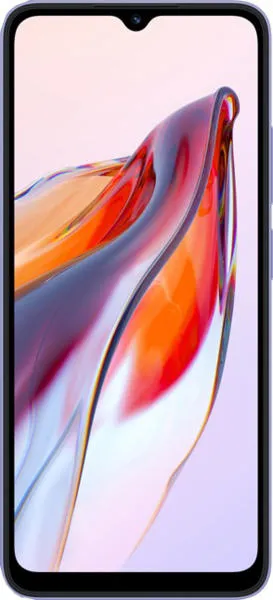
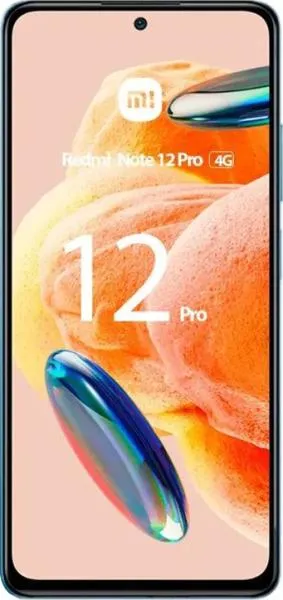
| Feature | Xiaomi Redmi 12C | Xiaomi Redmi Note 12 Pro 4G | Real-World Implications |
|---|---|---|---|
| Design | |||
| Dimensions (mm) | 168.8 x 76.4 x 8.8 | 164.2 x 76.1 x 8.1 | 12C is slightly larger and thicker. Note 12 Pro feels more premium due to its slimmer profile. |
| Weight (g) | 192 | 201.8 | Negligible difference in weight; both are comfortable for one-handed use. |
| Build Material | Plastic | Glass (front & back) | Note 12 Pro offers a more premium feel and potentially better durability. |
| Display | |||
| Type | IPS LCD | AMOLED | Note 12 Pro delivers richer colors, deeper blacks, and better power efficiency. |
| Size | 6.71" | 6.67" | Virtually identical screen sizes; both offer immersive viewing experiences. |
| Resolution | 720 x 1650 | 1080 x 2400 | Note 12 Pro boasts significantly sharper visuals due to its Full HD+ resolution. |
| Refresh Rate | N/A | 120Hz | Note 12 Pro's higher refresh rate results in smoother scrolling and animations, enhancing the user experience. |
| Performance | |||
| Chipset | Helio G85 | Snapdragon 732G | Note 12 Pro provides noticeably better performance for demanding tasks and gaming. |
| CPU | Octa-core | Octa-core | While both have octa-core CPUs, the Snapdragon 732G in the Note 12 Pro has more powerful cores. |
| RAM | 3/4/6GB | 8GB | Note 12 Pro's larger RAM ensures smoother multitasking and better handling of demanding applications. |
| Camera | |||
| Main Camera | 50MP | 108MP | Note 12 Pro offers higher resolution and potentially better detail in photos, especially in good lighting. |
| Front Camera | 5MP | 16MP | Note 12 Pro's higher resolution front camera is likely to produce better selfies and video calls. |
| Video Recording | 1080p@30fps | 4K@30fps | Note 12 Pro supports higher resolution video recording. |
| Battery Life | |||
| Capacity | 5000 mAh | 5000 mAh | Similar battery capacities suggest comparable battery life, but real-world usage will depend on various factors. |
| Charging | 10W wired | 67W wired | Note 12 Pro offers significantly faster charging, minimizing downtime. |
2. Key Insights
- Performance: The Redmi Note 12 Pro 4G is the clear winner in performance, thanks to its more powerful Snapdragon 732G processor and ample 8GB RAM.
- Display: The Note 12 Pro's AMOLED display with a 120Hz refresh rate offers a superior visual experience compared to the 12C's LCD.
- Camera: While megapixels aren't everything, the Note 12 Pro's 108MP main camera and advanced features likely provide better image quality.
- Charging: The Note 12 Pro's 67W fast charging dramatically reduces charging time compared to the 12C's standard charging.
- Price: The Redmi 12C targets the budget-conscious market, while the Note 12 Pro sits in the mid-range segment, reflecting its enhanced features.
3. User Profiles and Recommendations
- Redmi 12C: Ideal for users on a tight budget who prioritize basic functionality, long battery life, and a large screen for media consumption. Great for casual users, students, or as a secondary device.
- Redmi Note 12 Pro 4G: Best suited for users who demand smoother performance, a vibrant display, faster charging, and a capable camera system. Excellent for mobile gamers, content creators, and those who value a premium user experience.
4. Buying Decision Framework
- What is your budget? The 12C is significantly more affordable.
- What are your performance needs? Gamers and power users will appreciate the Note 12 Pro.
- How important is display quality? The Note 12 Pro's AMOLED screen is a major differentiator.
My Choice: The Redmi Note 12 Pro 4G
While the Redmi 12C offers excellent value for its price, I would choose the Redmi Note 12 Pro 4G. The superior AMOLED display, significantly faster performance, improved camera, and incredibly fast charging are compelling upgrades that enhance the daily user experience. The price difference is justifiable for the tangible benefits it offers. As someone who values a smooth and responsive user experience, the Note 12 Pro aligns more closely with my needs. The 120Hz refresh rate alone is a game-changer for fluidity and responsiveness, making everything from scrolling through social media to playing games feel more enjoyable. The faster processor and increased RAM ensure that the phone can handle demanding tasks without breaking a sweat. While the 12C is a commendable budget option, the Note 12 Pro offers a more well-rounded and future-proof package.
