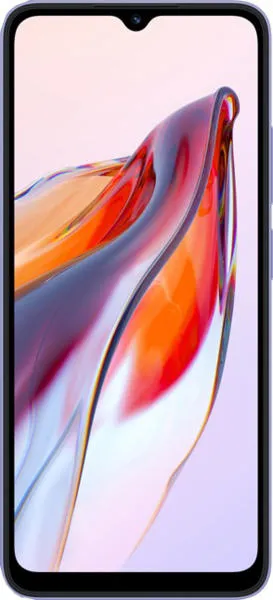
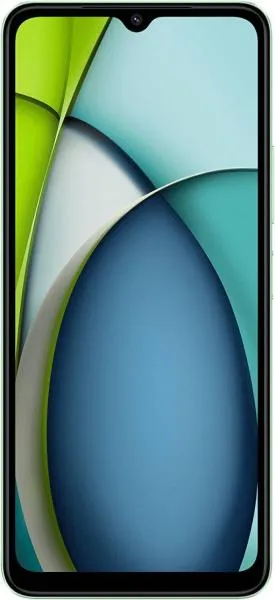
Let's dive into a comparative analysis of the Xiaomi Redmi 12C and the Xiaomi Redmi A3x, dissecting their specifications and translating them into real-world implications for you.
1. Specifications Breakdown
| Feature | Xiaomi Redmi 12C | Xiaomi Redmi A3x | Real-World Implications |
|---|---|---|---|
| Design | |||
| Dimensions (mm) | 168.8 x 76.4 x 8.8 | 168.4 x 76.3 x 8.3 | Virtually identical in size and feel. A3x slightly thinner. |
| Weight (g) | 192 | 193 | Negligible difference in weight; both feel substantial in hand. |
| Fingerprint Sensor | Rear-mounted | Side-mounted | Personal preference; side-mounted often feels more natural when picking up the phone. |
| Display | |||
| Size (inches) | 6.71 | 6.71 | Large screens, ideal for media consumption and multitasking. |
| Resolution (px) | 720 x 1650 | 720 x 1650 | Identical resolution; sharpness and clarity will be similar. Expect some pixelation. |
| Refresh Rate (Hz) | Unspecified (likely 60) | 90 | A3x's 90Hz offers smoother scrolling and animations, more visually appealing. |
| Display Type | IPS LCD | IPS LCD | Both offer good color reproduction and viewing angles, typical for budget phones. |
| Performance | |||
| Chipset | Helio G85 (12nm) | Unisoc T603 (22nm) | G85 generally offers better gaming and multitasking performance. T603 is more power-efficient. |
| CPU | Octa-core (2x2.0 GHz Cortex-A75 & 6x1.8 GHz Cortex-A55) | Octa-core 1.8 GHz | G85's higher clock speed and core configuration suggest better performance. |
| GPU | Mali-G52 MC2 | Mali-G57 MP1 | While both are decent for casual gaming, G52 MC2 tends to edge out in benchmarks |
| RAM | 3/4/6GB | 4GB | More RAM options on 12C provide flexibility for users needing more multitasking power. |
| OS | Android 12 | Android 14 | A3x comes with a newer OS, offering potential feature and security advantages. |
| Camera | |||
| Main Camera (MP) | 50 | 8 | Significant difference; 12C's 50MP sensor should capture significantly more detail. |
| Selfie Camera (MP) | 5 | 5 | Similar selfie camera resolution. |
| Battery Life | |||
| Capacity (mAh) | 5000 | 5000 | Identical battery capacity; actual battery life depends on usage and optimization. |
| USB | microUSB 2.0 | USB Type-C | A3x's USB-C offers faster charging and data transfer, a more modern standard. |
2. Key Insights
The Redmi 12C shines in raw camera performance with its 50MP main sensor. The Helio G85 also provides a more robust gaming and multitasking experience. However, it's stuck with the older microUSB standard.
The Redmi A3x boasts a smoother 90Hz display and the more modern USB Type-C port. It also ships with a newer version of Android, promising longer software support. However, its camera and processing power significantly lag behind the 12C.
3. User Profiles and Recommendations
Redmi 12C: Best suited for budget-conscious users who prioritize camera quality and overall performance. Ideal for casual mobile gamers, social media enthusiasts, and those who consume a lot of media.
Redmi A3x: A good fit for users who prioritize a smooth display and modern conveniences like USB-C and the latest Android version. Ideal for those who primarily use their phones for browsing, communication, and light tasks. Less demanding gamers who value smoother scrolling might also prefer the A3x.
4. Buying Decision Framework
- What's your budget? Both phones are priced competitively, but the 12C offers more RAM/storage configurations, giving you flexibility.
- Is camera quality a top priority? If so, the 12C's 50MP sensor is the clear winner.
- Do you value a smoother display and the latest software? If these are must-haves, the A3x, with its 90Hz refresh rate and Android 14, is the better choice.
My Choice
Personally, I would choose the Redmi 12C. While I appreciate the smoother display and USB-C port of the A3x, the significantly better camera and processing power of the 12C are more compelling to me. I tend to use my phone for a variety of tasks, including gaming and photography, where the 12C's superior hardware would make a noticeable difference in my daily experience. The performance difference between the Helio G85 and the Unisoc T603 is substantial enough to sway me, even with the older micro-USB port on the 12C. I'd rather have a phone that performs well in my core usage scenarios than one that feels slightly smoother when scrolling but lags when I need it most.
