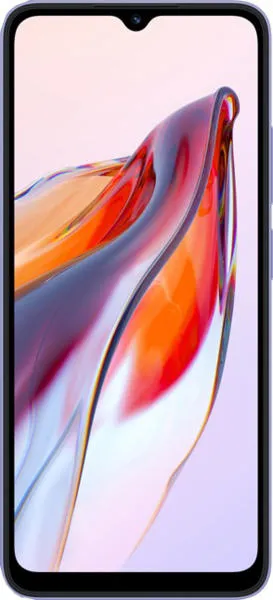
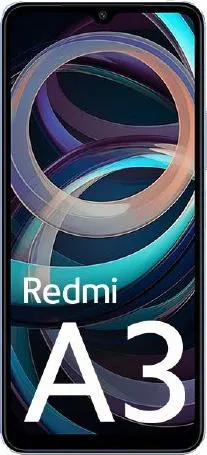
Let's dive into a comparative analysis of the Xiaomi Redmi 12C and the Xiaomi Redmi A3, dissecting their specifications and uncovering what they truly offer the everyday user.
1. Specifications Breakdown
| Feature | Xiaomi Redmi 12C | Xiaomi Redmi A3 | Real-World Implications |
|---|---|---|---|
| Design | |||
| Dimensions (mm) | 168.8 x 76.4 x 8.8 | 168.3 x 76.3 x 8.3 | Virtually identical in size and feel. Negligible difference in hand. |
| Weight (g) | 192 | 193 | Almost the same weight; won't be noticeable in daily use. |
| Fingerprint Sensor | Rear-mounted | Side-mounted | Personal preference, but side-mounted often feels more natural when picking up the phone. |
| USB | microUSB 2.0 | USB Type-C 2.0 | Significant advantage for Redmi A3: Faster data transfer and more versatile charging options. |
| Display | |||
| Size (inches) | 6.71 | 6.71 | Identical screen real estate. |
| Resolution (px) | 720 x 1650 | 720 x 1650 | Same resolution; expect similar sharpness and clarity. |
| Refresh Rate (Hz) | - | 90 | Major advantage for Redmi A3: Smoother scrolling and animations, more responsive feel. |
| Display Type | IPS LCD | IPS LCD | Similar color reproduction and viewing angles. |
| Performance | |||
| Chipset | Helio G85 | Helio G36 | Advantage Redmi 12C: More powerful processor, better for gaming and demanding tasks. |
| CPU | Octa-core (2x2.0 GHz Cortex-A75 & 6x1.8 GHz Cortex-A55) | Octa-core (4x2.2 GHz Cortex-A53 & 4x1.6 GHz Cortex-A53) | Advantage Redmi 12C: Faster, more efficient core architecture. |
| GPU | Mali-G52 MC2 | PowerVR GE8320 | Advantage Redmi 12C: Superior graphics performance for smoother gaming. |
| RAM | 3/4/6GB | 4/6GB | Both offer ample RAM for multitasking; 6GB variant provides headroom for future-proofing. |
| OS | Android 12 | Android 14 | Significant advantage for Redmi A3: Newer OS with latest features, security patches, and longer support. |
| Camera | |||
| Main Camera (MP) | 50 | 8 | Huge advantage for Redmi 12C: Much higher resolution for detailed photos. |
| Selfie Camera (MP) | 5 | 5 | Identical selfie camera resolution. |
| Battery | |||
| Capacity (mAh) | 5000 | 5000 | Identical battery capacity, but real-world usage will vary based on other factors. |
2. Key Insights
- Performance: The Redmi 12C boasts a significantly more powerful processor and GPU, making it better suited for gaming and demanding applications. The Redmi A3's Helio G36, while decent for everyday tasks, might struggle with heavier workloads.
- Display: While both phones have the same size and resolution, the Redmi A3's 90Hz refresh rate provides a noticeably smoother and more responsive user experience. This is a key differentiator for visual fluidity.
- Software: The Redmi A3 ships with Android 14, giving it a significant advantage in terms of software updates, new features, and overall longevity compared to the Redmi 12C's Android 12.
- Camera: The Redmi 12C's 50MP main camera dwarfs the Redmi A3's 8MP offering, promising significantly better image quality, especially in detail and low-light performance.
- Charging and Connectivity: The Redmi A3's USB Type-C port is a major win for modern convenience, offering faster data transfer and charging compared to the outdated microUSB on the Redmi 12C.
3. User Profiles and Recommendations
- Redmi 12C: Best for users who prioritize raw performance, camera quality, and value for money. Ideal for mobile gaming, photography enthusiasts, and budget-conscious buyers who don't mind the older microUSB standard.
- Redmi A3: Best for users who value a smooth and modern software experience, longer software support, and the convenience of USB-C. Suitable for everyday tasks, social media, web browsing, and users who prioritize a fluid user interface.
4. Buying Decision Framework
- What are your primary smartphone needs? Gaming and photography? Or general use with a smooth interface and long software updates?
- Is a modern charging port important to you? USB-C offers faster data transfer and more versatile charging options.
- What's your budget? Compare prices for different RAM and storage configurations to find the best value.
My Choice:
Personally, I would choose the Redmi A3. While the Redmi 12C offers a more powerful processor and a higher resolution camera, the Redmi A3's 90Hz display, Android 14, and USB-C port are more compelling to me. The smoother user experience, longer software support, and modern connectivity outweigh the benefits of slightly better performance and camera resolution in my daily usage. I prioritize a fluid and up-to-date software experience and appreciate the convenience of USB-C. The difference in camera quality, while notable, wouldn't be a deal-breaker for me.
