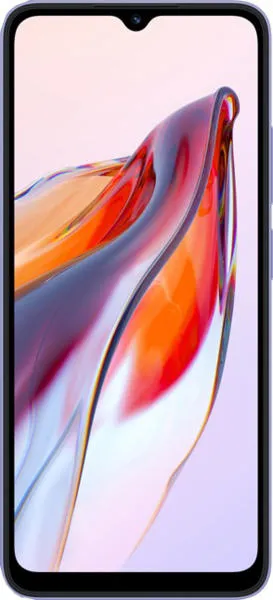
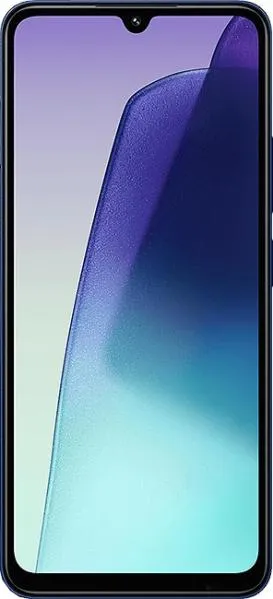
Xiaomi Redmi 12C vs. Xiaomi Redmi 14C: A Practical Comparison
The budget smartphone arena is fiercely competitive, and Xiaomi consistently delivers compelling contenders. Today, we'll dissect the Redmi 12C and Redmi 14C, two devices vying for your wallet. We'll go beyond the spec sheet to uncover what these numbers truly mean for your daily life.
1. Specifications Breakdown
| Feature | Xiaomi Redmi 12C | Xiaomi Redmi 14C | Real-World Implications |
|---|---|---|---|
| Design | |||
| Dimensions (mm) | 168.8 x 76.4 x 8.8 | 171.9 x 77.8 x 8.2 | 14C slightly larger, potentially less comfortable for small hands |
| Weight (g) | 192 | 211 | 12C noticeably lighter for extended use |
| Fingerprint Sensor | Rear-mounted | Side-mounted | Preference-based, side often integrated with power button |
| USB Port | microUSB 2.0 | USB Type-C 2.0 | 14C offers faster charging, wider accessory compatibility |
| Display | |||
| Size (inches) | 6.71 | 6.88 | 14C offers a slightly larger screen |
| Resolution | 720 x 1650 | 720 x 1640 | Negligible difference in sharpness at this size |
| Refresh Rate | N/A | 120Hz | 14C significantly smoother scrolling and animations |
| Performance | |||
| Chipset | Helio G85 | Helio G81 Ultra | Minimal performance difference in day-to-day tasks, potentially 14C Ultra is slightly more powerful and energy efficient |
| CPU | Octa-core | Octa-core | Similar core configurations, focus on clock speeds for nuances |
| RAM | 3/4/6GB | 6/8GB | 14C offers more RAM for multitasking and future-proofing |
| OS | Android 12 | Android 14 | 14C benefits from newer features, security updates |
| Camera | |||
| Rear Camera | 50MP + 2MP | 50MP + 0.8MP | Similar primary sensor, 12C has a dedicated macro lens |
| Front Camera | 5MP | 13MP | 14C offers significantly better selfie quality |
| Battery Life | |||
| Capacity (mAh) | 5000 | 5160 | Marginal difference in capacity |
2. Key Insights
The Redmi 14C boasts a smoother 120Hz display, the latest Android 14 OS, a superior front-facing camera, USB-C, and more RAM. These translate to a more fluid user experience, longer software support, better selfies, and faster charging. However, the Redmi 12C is lighter and potentially more comfortable to hold. The performance difference between the two chipsets is likely negligible for average users.
3. User Profiles and Recommendations
Redmi 12C: Best suited for budget-conscious users prioritizing a compact, lightweight phone for basic tasks like calling, texting, and social media. Its lower price makes it an attractive entry-level option.
Redmi 14C: Ideal for users who value a smoother display, better camera for selfies, and longer software support. The extra RAM makes it suitable for moderate multitasking and gaming.
4. Buying Decision Framework
Questions to Consider:
- What's your budget? The 12C is significantly cheaper.
- How important is display smoothness and camera quality? The 14C excels in these areas.
- Do you prioritize the latest software and longer updates? Android 14 on the 14C provides a clear advantage.
Scenario-Based Recommendations:
- Limited Budget, Basic Use: Redmi 12C
- Student Needing a Reliable All-Rounder: Redmi 14C
- Social Media Enthusiast Prioritizing Selfies: Redmi 14C
My Choice: The Redmi 14C
While the Redmi 12C is a solid budget option, the Redmi 14C offers compelling upgrades for a relatively small price jump. The 120Hz display alone dramatically improves the user experience, making everything feel more responsive and fluid. Android 14 ensures longer software support and access to the latest features. The improved front camera and USB-C port further solidify its position as the better overall value proposition for most users. While the slight increase in weight is noticeable, the benefits outweigh this minor drawback. I appreciate having the most up-to-date experience possible, and the future-proofing offered by the increased RAM and more current operating system are crucial factors in my decision.
