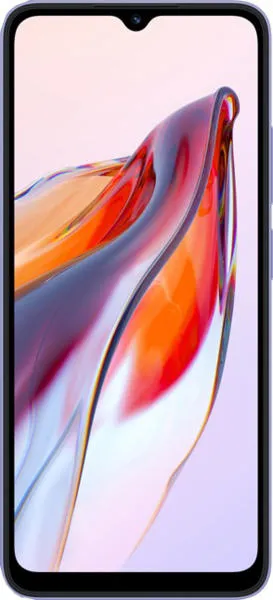
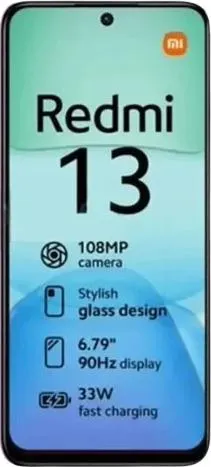
Xiaomi Redmi 12C vs. Xiaomi Redmi 13: A Deep Dive for the Budget-Conscious Buyer
The budget smartphone arena is fiercely competitive, and Xiaomi consistently delivers strong contenders. Today, we'll dissect the Redmi 12C and Redmi 13, two devices vying for your wallet. Let's move beyond the spec sheet and explore what these phones offer in the real world.
1. Specifications Breakdown
| Feature | Xiaomi Redmi 12C | Xiaomi Redmi 13 | Real-World Implications |
|---|---|---|---|
| Design | |||
| Dimensions (mm) | 168.8 x 76.4 x 8.8 | 168.6 x 76.3 x 8.3 | Redmi 13 slightly thinner and lighter, but practically negligible. |
| Weight (g) | 192 | 205 | Redmi 13 slightly heavier, potentially due to a larger battery or improved build materials. |
| Fingerprint Sensor | Rear-mounted | Side-mounted | Personal preference; side-mounted often integrated with power button for convenient unlocking. |
| USB | microUSB 2.0 | USB Type-C | Redmi 13 offers faster charging and data transfer, plus the reversible convenience of USB-C. |
| Display | |||
| Size (inches) | 6.71 | 6.79 | Redmi 13 offers a slightly larger screen for more immersive content consumption. |
| Resolution | 720 x 1650 | 1080 x 2460 | Redmi 13 boasts significantly sharper visuals due to Full HD+ resolution. |
| Refresh Rate | - | 90Hz | Redmi 13's 90Hz display delivers smoother scrolling and animations, enhancing the user experience. |
| Panel Type | IPS LCD | IPS LCD | Both offer good color reproduction and viewing angles, but not the deep blacks of AMOLED. |
| Performance | |||
| Chipset | Helio G85 | Helio G91 Ultra | Redmi 13's Helio G91 is expected to provide a noticeable performance boost in gaming and multitasking. |
| CPU | Octa-core (2x2.0 GHz Cortex-A75 & 6x1.8 GHz Cortex-A55) | Octa-core (2x2.0 GHz Cortex-A75 & 6x1.8 GHz Cortex-A55) | Similar CPU core configuration |
| GPU | Mali-G52 MC2 | Mali-G52 MC2 | Similar GPU performance expected |
| RAM | 3/4/6GB | 6/8GB | Redmi 13 offers more RAM in its base configuration, enabling smoother multitasking and app switching. |
| Camera | |||
| Main Camera | 50MP | 108MP | Redmi 13 offers higher resolution for potentially more detailed photos, but megapixels aren't everything. |
| Selfie Camera | 5MP | 13MP | Redmi 13's higher resolution selfie camera should produce sharper self-portraits. |
| Battery Life | |||
| Capacity | 5000 mAh | 5030 mAh | Negligible difference in battery capacity; real-world usage will depend on optimization. |
2. Key Insights
The Redmi 13 clearly steps up the game with a significantly improved display (Full HD+ with 90Hz), more RAM, a higher-resolution main camera, and USB-C. The Helio G91 is a newer and faster processor compared to the Helio G85 found in the Redmi 12C. While both GPUs are the same, the newer processor might offer some optimizations. These enhancements translate to a more fluid and enjoyable user experience, especially for media consumption, gaming, and multitasking. The Redmi 12C, however, shines in its simplicity and affordability.
3. User Profiles and Recommendations
- Redmi 12C: Ideal for budget-conscious users prioritizing essential smartphone functions like calling, texting, and basic social media. Students or senior citizens seeking a simple, reliable device would find this suitable.
- Redmi 13: A better fit for users who consume more media, play mobile games, or demand smoother performance. Its enhanced display and increased RAM make it a strong contender in the lower mid-range segment.
4. Buying Decision Framework
- What is your budget? The Redmi 12C is significantly cheaper.
- How important is display quality and performance? The Redmi 13 offers a noticeable upgrade in both areas.
- What are your primary smartphone uses? Basic tasks vs. demanding apps and media consumption.
My Choice: I would choose the Redmi 13. The improved display, faster processor, increased RAM, and USB-C are compelling upgrades that significantly enhance the user experience. While the Redmi 12C offers excellent value for its price, the Redmi 13 strikes a better balance between affordability and features that matter for everyday use. The smoother 90Hz display alone makes a huge difference in how the phone feels to use. In the long run, the slightly higher investment in the Redmi 13 would likely be more satisfying.
