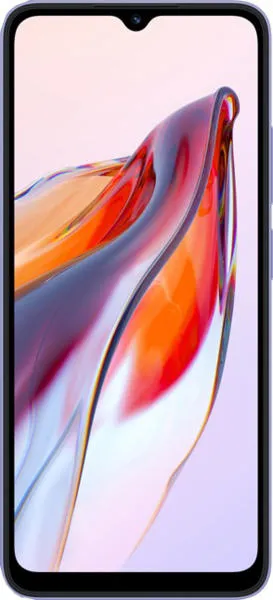
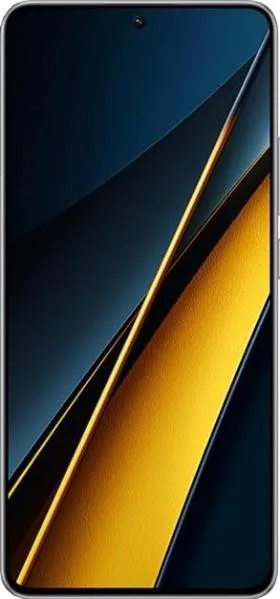
Xiaomi Redmi 12C vs. Xiaomi Poco X6 Pro: A Deep Dive
Let's dissect the Xiaomi Redmi 12C and the Poco X6 Pro, two phones targeting different segments of the market. We'll translate the raw specs into real-world experiences to help you decide which device best fits your needs.
1. Specifications Breakdown
| Feature | Xiaomi Redmi 12C | Xiaomi Poco X6 Pro | Real-World Implications |
|---|---|---|---|
| Design | |||
| Dimensions (mm) | 168.8 x 76.4 x 8.8 | 160.5 x 74.3 x 8.3 | Poco X6 Pro is slightly more compact and easier to handle. |
| Weight (g) | 192 | 186 | Poco X6 Pro feels lighter in hand. |
| Build Material | Plastic | Not specified | Redmi 12C's plastic build might feel less premium; durability is a question for the Poco X6 Pro without knowing the materials. |
| Display | |||
| Type | IPS LCD | AMOLED | Poco X6 Pro offers richer colors, deeper blacks, and better contrast. |
| Size | 6.71" | 6.67" | Negligible size difference. |
| Resolution | 720 x 1650 | 1220 x 2712 | Poco X6 Pro boasts significantly sharper visuals. |
| Refresh Rate | Unspecified | 120Hz | Poco X6 Pro delivers smoother scrolling and animations. |
| Performance | |||
| Chipset | Helio G85 | Dimensity 8300 Ultra | Poco X6 Pro provides a massive leap in processing power for demanding tasks and gaming. |
| CPU | Octa-core 2.0 GHz | Octa-core 3.35 GHz | Poco X6 Pro offers significantly faster and more responsive performance. |
| RAM | 3/4/6GB | 8/12GB | Poco X6 Pro enables smoother multitasking and handles heavy apps with ease. |
| Camera | |||
| Main Camera | 50MP | 64MP | Poco X6 Pro likely captures more detailed photos; real-world performance depends on image processing. |
| Front Camera | 5MP | 16MP | Poco X6 Pro offers much better selfie quality. |
| Video | 1080p@30fps | 4K@30fps | Poco X6 Pro records higher resolution video with Electronic Image Stabilization (EIS). |
| Battery Life | |||
| Capacity | 5000 mAh | 5000 mAh | Similar battery capacity; actual battery life depends on usage and optimization. |
2. Key Insights
- Performance: The Poco X6 Pro is a clear winner, powered by a vastly superior Dimensity 8300 Ultra chipset and significantly more RAM. Expect blazing-fast performance and effortless multitasking. The Redmi 12C, with its Helio G85, is geared towards basic tasks and light gaming.
- Display: The Poco X6 Pro's AMOLED display with a 120Hz refresh rate provides a visually stunning experience. The Redmi 12C's IPS LCD is functional but lacks the vibrancy and smoothness of the Poco X6 Pro.
- Camera: While megapixel count isn't everything, the Poco X6 Pro's 64MP main camera, coupled with optical image stabilization and 4K video recording, promises superior imaging capabilities. The Redmi 12C's camera system is more basic.
- Price: The Redmi 12C squarely aims for the budget-conscious consumer, while the Poco X6 Pro occupies the mid-range segment, reflecting its more advanced features.
3. User Profiles and Recommendations
- Redmi 12C: Ideal for users who prioritize affordability and need a phone for basic communication, social media browsing, and light tasks. Students, senior citizens, or anyone on a tight budget could find this phone suitable.
- Poco X6 Pro: Perfect for power users, gamers, and photography enthusiasts who demand high performance, a vibrant display, and advanced camera features.
4. Buying Decision Framework
- What is your budget? If you're on a tight budget, the Redmi 12C is the more realistic option.
- What are your primary phone usage patterns? For basic tasks, the Redmi 12C suffices. For demanding applications, gaming, and media consumption, the Poco X6 Pro is a better fit.
- How important is display and camera quality? If a superior visual experience and advanced camera features are priorities, the Poco X6 Pro excels.
My Choice: The Poco X6 Pro
If I were choosing between these two, I'd opt for the Poco X6 Pro. While it comes at a higher price, the significant jump in performance, the beautiful AMOLED display, and the more capable camera system justify the investment. I value a smooth and responsive user experience, and the Poco X6 Pro delivers that in spades. The ability to handle demanding tasks, multitask efficiently, and enjoy high-quality media consumption is crucial to me. While the Redmi 12C is a solid budget option, the Poco X6 Pro aligns better with my needs and preferences for a long-term, future-proof device. The jump to 5G connectivity alone would make a significant difference in my daily usage.
