Xiaomi Redmi 12C vs. Xiaomi Poco X6: A Deep Dive for the Discerning Smartphone Buyer
Hello, fellow tech explorers! Today, we're dissecting two Xiaomi offerings: the budget-friendly Redmi 12C and the mid-range Poco X6. Let's cut through the marketing jargon and uncover what these phones truly offer in terms of real-world performance.
1. Specifications Breakdown
| Feature | Xiaomi Redmi 12C | Xiaomi Poco X6 | Real-World Implications | |
|---|---|---|---|---|
| Design | ||||
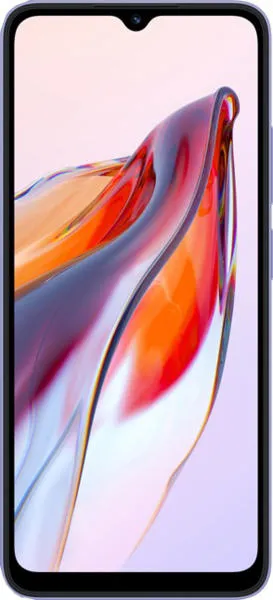
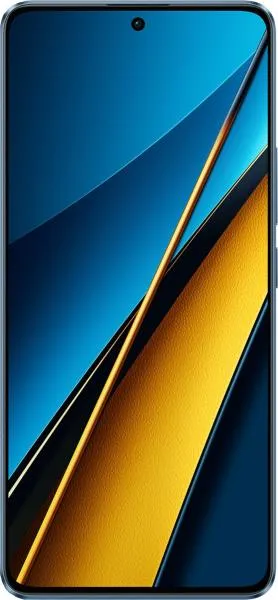
| Dimensions (mm) | 168.8 x 76.4 x 8.8 | 161.2 x 74.3 x 8 | Redmi 12C is larger and slightly thicker. Poco X6 offers a more compact feel. | |
| Weight (g) | 192 | 181 | Poco X6 is noticeably lighter, enhancing one-handed usability. | |
| Build Materials | Plastic | Glass front, plastic back | Poco X6's glass front provides a more premium feel and potentially better durability. | |
| Display | ||||
| Type | IPS LCD | AMOLED | Poco X6's AMOLED delivers richer blacks, vibrant colors, and better power efficiency in dark mode. | |
| Size | 6.71" | 6.67" | Negligible size difference. Both offer ample screen real estate. | |
| Resolution | 720 x 1650 | 1220 x 2712 | Poco X6 boasts significantly sharper visuals due to much higher resolution. | |
| Refresh Rate | Standard | 120Hz | Poco X6's 120Hz refresh rate ensures smoother scrolling and animations, resulting in a more fluid and responsive user experience. | |
| Performance | ||||
| Chipset | Helio G85 | Snapdragon 7s Gen 2 | Poco X6's processor provides a substantial performance leap, handling demanding tasks and gaming with greater ease. | |
| CPU | Octa-core (2x2.0 GHz Cortex-A75 & 6x1.8 GHz Cortex-A55) | Octa-core (4x2.4 GHz Cortex-A78 & 4x1.9 GHz Cortex-A55) | Poco X6's CPU architecture delivers significantly better performance and efficiency. | |
| RAM | 3/4/6GB | 8/12GB | Poco X6 offers more RAM, enabling better multitasking and smoother performance with multiple apps open. | |
| Camera | ||||
| Main Camera | 50MP | 64MP | Poco X6's main camera offers higher resolution and a larger sensor, potentially capturing more detail and better low-light performance. | |
| Video Recording | 1080p@30fps | 4K@30fps | Poco X6 supports 4K video recording, resulting in significantly higher quality video footage. | |
| Battery Life | ||||
| Capacity | 5000mAh | 5100 mAh | Similar battery capacities, but real-world battery life will depend on usage patterns and software optimization. |
2. Key Insights
The Redmi 12C is a budget champion, prioritizing affordability over high-end features. Its strengths lie in its large display for media consumption and a long-lasting battery. However, its performance is limited, suitable primarily for basic tasks.
The Poco X6 is a performance-oriented mid-ranger. Its AMOLED display, powerful processor, ample RAM, and capable camera system make it a versatile device for gaming, photography, and demanding applications.
3. User Profiles and Recommendations
Redmi 12C: Ideal for budget-conscious users who prioritize basic communication, web browsing, and light media consumption. Students, casual users, and those seeking a secondary device would find it suitable.
Poco X6: Geared towards users who demand performance and a premium experience without a flagship price tag. Mobile gamers, photography enthusiasts, and those who multitask heavily would appreciate its capabilities.
4. Buying Decision Framework
- What is your budget? The Redmi 12C is significantly cheaper.
- What are your primary use cases? For basic tasks, the Redmi 12C suffices. For demanding applications and gaming, the Poco X6 excels.
- Do you prioritize display quality and performance? The Poco X6's AMOLED display and powerful processor offer a superior experience.
Scenario-based Recommendations:
- Limited Budget, Basic Needs: Redmi 12C
- Balanced Performance and Price: Poco X6
- Demanding User, Focus on Gaming and Photography: Poco X6
My Choice: The Poco X6
While the Redmi 12C is a commendable budget option, I would choose the Poco X6. The significantly improved display, faster processor, ample RAM, and superior camera system create a noticeably better user experience. The price difference is justified by the substantial leap in performance and features. As someone who values a fluid user interface, responsiveness, and quality visuals, the Poco X6 aligns more closely with my needs and usage patterns. While battery life is always a concern, the slightly larger battery in the Poco X6 combined with the AMOLED's efficiency should offer comparable real-world usage to the Redmi 12C. The jump to a much more modern processor will also likely lead to better battery optimization.
