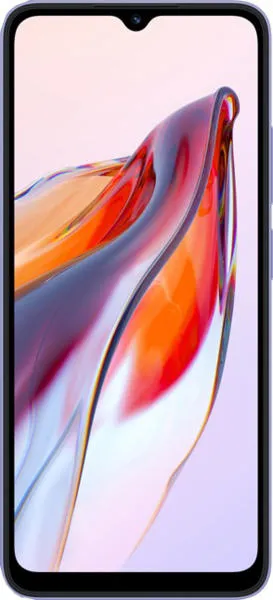
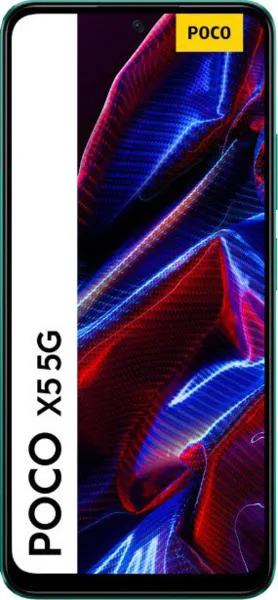
Let's dive into a comparative analysis of the Xiaomi Redmi 12C and the Xiaomi Poco X5, dissecting their specifications and translating them into real-world implications for you.
1. Specifications Breakdown
| Feature | Xiaomi Redmi 12C | Xiaomi Poco X5 | Real-World Implications |
|---|---|---|---|
| Design | |||
| Dimensions (mm) | 168.8 x 76.4 x 8.8 | 165.9 x 76.2 x 8 | Redmi 12C is slightly larger and thicker. Poco X5 feels more premium due to its slimmer profile. |
| Weight (g) | 192 | 189 | Negligible difference in weight; both feel comfortable in hand. |
| Build Material | Plastic | Plastic | Expect similar durability; consider a case for both. |
| Display | |||
| Display Type | IPS LCD | AMOLED | Poco X5 offers richer blacks, vibrant colors, and better outdoor visibility. |
| Size (inches) | 6.71 | 6.67 | Virtually identical screen real estate. |
| Resolution | 720 x 1650 | 1080 x 2400 | Poco X5 boasts significantly sharper visuals due to higher resolution (395 ppi vs 268 ppi). |
| Refresh Rate | N/A | 120Hz | Poco X5 delivers smoother scrolling and animations, enhancing the overall user experience. |
| Performance | |||
| Chipset | Helio G85 | Snapdragon 695 5G | Poco X5 offers superior CPU and GPU performance, resulting in faster app loading and smoother gaming. |
| CPU | Octa-core | Octa-core | While both are octa-core, the Snapdragon 695 in the Poco X5 has more powerful cores. |
| RAM | 3/4/6GB | 6/8GB | Poco X5 offers more RAM in its base configuration, enabling better multitasking. |
| Storage | 32/64/128GB | 128/256GB | Poco X5 provides more base storage. |
| Camera | |||
| Main Camera | 50MP | 48MP | Megapixel count isn't everything; image quality depends on sensor size and processing. |
| Front Camera | 5MP | 13MP | Poco X5 offers a much better selfie camera experience. |
| Video Recording | 1080p@30fps | 1080p@30fps | Similar video recording capabilities. |
| Battery Life | |||
| Capacity | 5000 mAh | 5000 mAh | Expect comparable battery life, but real-world usage will vary. |
| Charging | microUSB | USB-C | Poco X5 utilizes the more modern and versatile USB-C port. |
| Other | |||
| Price | Low | Mid-range | Redmi 12C targets budget-conscious buyers, while Poco X5 offers more features for a higher price. |
| 5G | No | Yes | Poco X5 provides access to faster 5G networks where available. |
| NFC | Yes | Yes | Both support contactless payments. |
2. Key Insights
The Redmi 12C is a clear budget champion, prioritizing affordability above all else. Its large display is suitable for media consumption, and the battery should provide all-day endurance. However, performance limitations and a lower resolution display are noticeable trade-offs.
The Poco X5, on the other hand, strikes a balance between price and performance. Its AMOLED display, faster processor, increased RAM, and 5G connectivity cater to users seeking a more comprehensive smartphone experience.
3. User Profiles and Recommendations
Redmi 12C: Ideal for budget-conscious users primarily focused on basic tasks like calling, texting, browsing, and social media. It's a great option for students or as a secondary device.
Poco X5: Suitable for users who demand smoother performance, a vibrant display, and future-proof 5G connectivity. It's a good choice for mobile gamers, content creators, and those who multitask heavily.
4. Buying Decision Framework
- What's your budget? If price is the primary concern, the Redmi 12C is the clear winner.
- Do you prioritize performance and future-proofing? If so, the Poco X5's superior processor, ample RAM, and 5G capabilities make it the better choice.
- How important is display quality? If you value vibrant colors and sharp visuals, the Poco X5's AMOLED display is a significant advantage.
My Choice: Poco X5
While the Redmi 12C is a compelling budget option, I would choose the Poco X5. The superior AMOLED display, coupled with the significantly faster Snapdragon 695 processor and increased RAM, ensures a far more enjoyable and responsive user experience. The addition of 5G future-proofs the device. While the price difference is noticeable, the performance and feature gains justify the investment for a device I'll be using daily. The smoother 120Hz refresh rate is a significant bonus for everyday interactions. Even though both phones have a plastic build, in my hands-on experience, the Poco X5 just feels a bit more refined. Finally, USB-C charging is the standard in 2023, and the Redmi 12C's microUSB feels outdated.
