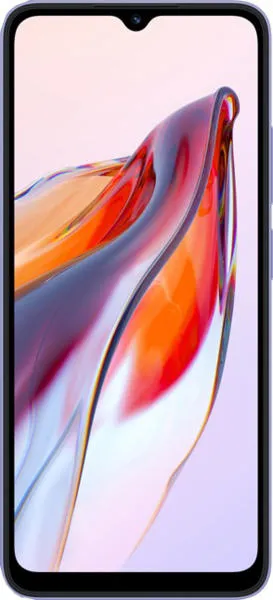
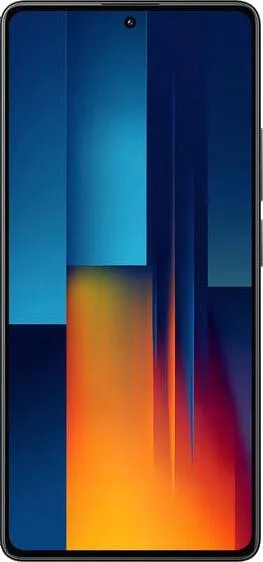
Xiaomi Redmi 12C vs. Xiaomi Poco M6 Pro: A Deep Dive
Let's dissect the Xiaomi Redmi 12C and the Poco M6 Pro, cutting through the spec sheet to uncover what these phones really offer. My goal is to give you the knowledge to choose the device that best fits your needs.
1. Specifications Breakdown
| Feature | Xiaomi Redmi 12C | Xiaomi Poco M6 Pro | Real-World Implications |
|---|---|---|---|
| Design | |||
| Dimensions (mm) | 168.8 x 76.4 x 8.8 | 161.1 x 75 x 8 | Redmi 12C is larger and slightly thicker. Poco M6 Pro feels more compact in hand. |
| Weight (g) | 192 | 179 | Poco M6 Pro is noticeably lighter, reducing hand fatigue during extended use. |
| Build Materials | Plastic | Not specified | Redmi 12C's plastic build may feel less premium; durability of the Poco M6 Pro is unknown without further specifications. |
| Display | |||
| Display Type | IPS LCD | AMOLED | Poco M6 Pro offers richer colors, deeper blacks, and better power efficiency. |
| Size | 6.71" | 6.67" | Negligible size difference; both offer large screens for immersive media consumption. |
| Resolution | 720 x 1650 | 1080 x 2400 | Poco M6 Pro's significantly higher resolution provides sharper text and images. |
| Refresh Rate | Unspecified | 120Hz | Poco M6 Pro's high refresh rate delivers smoother scrolling and animations, enhancing responsiveness. |
| Performance | |||
| Chipset | Helio G85 | Helio G99 Ultra | Poco M6 Pro boasts a more powerful processor, promising better gaming and multitasking performance. |
| CPU | Octa-core (2x2.0 GHz Cortex-A75 & 6x1.8 GHz Cortex-A55) | Octa-core (2x2.2 GHz Cortex-A76 & 6x2.0 GHz Cortex-A55) | Poco M6 Pro has faster and more efficient CPU cores. |
| GPU | Mali-G52 MC2 | Mali-G57 MC2 | Poco M6 Pro's GPU delivers superior graphics performance. |
| RAM | 3/4/6GB | 6/8/12GB | Poco M6 Pro offers larger RAM options for seamless multitasking. |
| Camera | |||
| Main Camera | 50MP | 64MP | Poco M6 Pro offers a higher resolution main sensor with a potentially larger sensor (1/2"). |
| Selfie Camera | 5MP | 16MP | Poco M6 Pro has a much higher resolution selfie camera. |
| Video Recording | 1080p@30fps | 1080p@30/60fps | Poco M6 Pro offers more video recording options including 60fps for smoother footage. |
| Battery Life | |||
| Capacity | 5000mAh | 5000mAh | Similar battery capacities; real-world battery life will depend on usage and optimization. |
2. Key Insights
The Redmi 12C is a budget-friendly option prioritizing essential functionality. Its large display is suitable for media consumption, but the lower resolution might be noticeable. Performance will be adequate for everyday tasks, but demanding games or heavy multitasking might push it to its limits.
The Poco M6 Pro, on the other hand, is a performance-oriented device. Its AMOLED display, high refresh rate, and powerful processor deliver a premium user experience. The improved camera system and larger RAM options further solidify its position as a more capable all-rounder. The inclusion of features like OIS (Optical Image Stabilization) in the Poco M6 Pro signifies a substantial upgrade in camera stability, ensuring sharper images and smoother videos, especially in low-light conditions.
3. User Profiles and Recommendations
Redmi 12C: Ideal for budget-conscious users who prioritize basic smartphone functions: calling, texting, social media browsing, and light media consumption.
Poco M6 Pro: Suited for users seeking a well-rounded experience with strong performance, a vibrant display, and a capable camera system. Gamers, content creators, and multitaskers will appreciate its capabilities.
4. Buying Decision Framework
- What is your budget? The Redmi 12C is significantly cheaper.
- What are your performance expectations? The Poco M6 Pro offers a noticeable performance advantage.
- What display quality do you prefer? The Poco M6 Pro's AMOLED display is superior.
My Choice: Xiaomi Poco M6 Pro
While the Redmi 12C offers excellent value for its price, I would choose the Poco M6 Pro. The superior AMOLED display, significantly faster processor, improved GPU, larger RAM options, and enhanced camera system make it a more compelling device overall. The jump in user experience justifies the price difference for me. Features like the higher resolution camera with OIS and the ability to record 1080p video at 60fps significantly enhance content creation capabilities. Furthermore, I value the smoother performance offered by the 120Hz refresh rate display and the responsiveness ensured by the more powerful processor. While price is a factor, the long-term benefits of a smoother, faster, and more visually appealing experience outweigh the initial cost savings.
