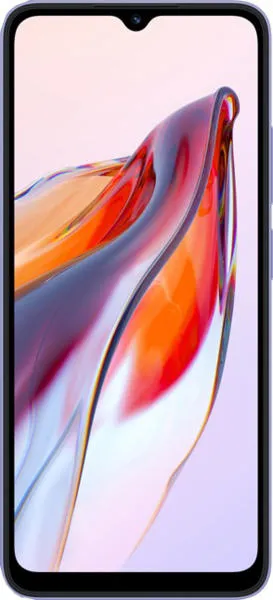
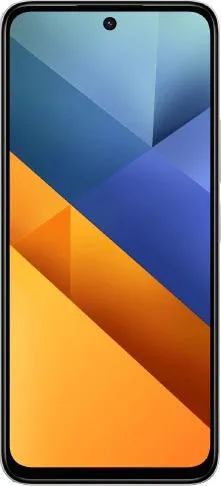
Xiaomi Redmi 12C vs. Xiaomi Poco M6 4G: A Deep Dive
Let's dissect the Xiaomi Redmi 12C and Poco M6 4G, two budget-friendly contenders vying for your attention. We'll go beyond the spec sheet to uncover what these phones offer in real-world usage.
1. Specifications Breakdown
| Feature | Xiaomi Redmi 12C | Xiaomi Poco M6 4G | Real-World Implications |
|---|---|---|---|
| Design | |||
| Dimensions (mm) | 168.8 x 76.4 x 8.8 | 168.6 x 76.3 x 8.3 | Virtually identical in size; Poco M6 slightly thinner. Negligible difference in hand feel. |
| Weight (g) | 192 | 205 | Redmi 12C noticeably lighter, reducing hand fatigue during extended use. |
| Build Materials | Plastic | Plastic | Expect similar durability and in-hand feel. |
| Display | |||
| Size (inches) | 6.71 | 6.79 | Poco M6 offers a slightly larger screen, enhancing media consumption. |
| Resolution | 720 x 1650 | 1080 x 2460 | Poco M6 boasts significantly sharper visuals due to Full HD+ resolution; Redmi 12C noticeably pixelated. |
| Refresh Rate | Standard | 90Hz | Poco M6's higher refresh rate delivers smoother scrolling and animations, a tangible improvement. |
| Panel Type | IPS LCD | IPS LCD | Expect good color reproduction and viewing angles from both, though not OLED-level quality. |
| Performance | |||
| Chipset | Helio G85 | Helio G91 Ultra | Poco M6's G91 Ultra offers a slight performance edge in benchmarks and gaming. |
| CPU | Octa-core | Octa-core | Both utilize efficient cores for everyday tasks and demanding apps. |
| GPU | Mali-G52 MC2 | Mali-G52 MC2 | Similar graphics performance, though the G91 Ultra may have a slight edge. |
| RAM | 3/4/6GB | 6/8GB | Poco M6 offers more RAM in its base configuration, beneficial for multitasking and demanding apps. |
| Camera | |||
| Main Camera | 50MP | 108MP | Poco M6's higher resolution sensor potentially captures more detail. Real-world results may vary. |
| Selfie Camera | 5MP | 13MP | Poco M6 likely produces better selfie photos due to higher resolution. |
| Battery Life | |||
| Capacity (mAh) | 5000 | 5030 | Negligible difference in battery capacity; expect similar all-day endurance. |
| Charging | microUSB | USB-C | Poco M6 utilizes the modern and more versatile USB-C standard. |
| Other | |||
| OS | Android 12 | Android 14 | Poco M6 ships with a newer Android version, offering potential feature and security advantages. |
| NFC | Yes | Yes | Both support contactless payments. |
| Price | Lower | Higher | Redmi 12C significantly more affordable; Poco M6 commands a premium for its upgrades. |
2. Key Insights
The Redmi 12C prioritizes affordability. It's a solid entry-level phone for basic tasks like calling, texting, browsing, and social media. However, its lower resolution display and older microUSB port are noticeable drawbacks.
The Poco M6 4G, on the other hand, targets users seeking a more well-rounded experience. Its Full HD+ display, 90Hz refresh rate, faster processor, larger RAM, and higher-resolution cameras provide a substantial upgrade over the Redmi 12C. The modern USB-C port and newer Android version are also welcome additions.
3. User Profiles and Recommendations
Redmi 12C: Ideal for budget-conscious users who prioritize essential functionality and battery life over high-end features. Students, seniors, or anyone looking for a simple, reliable secondary device would find it suitable.
Poco M6 4G: Best suited for users who value a smoother, more visually engaging experience. Mobile gamers, content consumers, and those who multitask frequently would appreciate the Poco M6's enhanced performance and display.
4. Buying Decision Framework
- What's your budget? If price is the primary concern, the Redmi 12C offers excellent value.
- How important is display quality? If you value a sharp, smooth display, the Poco M6 is the clear winner.
- What are your primary use cases? For basic tasks, the Redmi 12C suffices. For gaming, media consumption, and multitasking, the Poco M6 is recommended.
My Choice: The Poco M6 4G
While the Redmi 12C's price is tempting, I'd choose the Poco M6 4G. The significantly improved display (resolution and refresh rate) alone makes a huge difference in daily use. The performance bump, larger RAM, and modern USB-C port further solidify its position as the better overall device. While it costs more, the enhanced user experience justifies the premium for me. I value a fluid, responsive phone, and the Poco M6 4G delivers in that regard. The sharper screen also makes media consumption far more enjoyable. Ultimately, I believe the long-term benefits of the Poco M6 4G outweigh the initial cost savings of the Redmi 12C.
