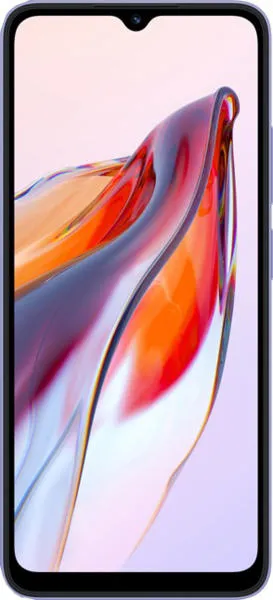
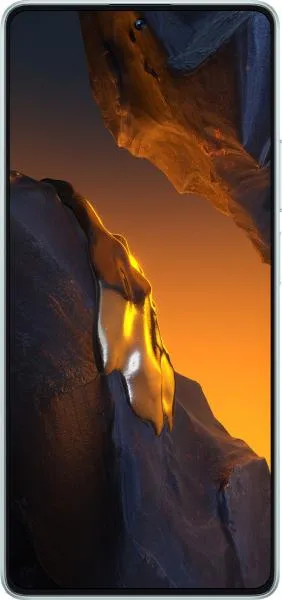
Let's dive into a comparative analysis of the Xiaomi Redmi 12C and the Xiaomi Poco F5, dissecting their specifications and translating them into real-world implications for you.
1. Specifications Breakdown
| Feature | Xiaomi Redmi 12C | Xiaomi Poco F5 | Real-World Implications | |
|---|---|---|---|---|
| Design | ||||
| Dimensions (mm) | 168.8 x 76.4 x 8.8 | 161.1 x 75 x 7.9 | Poco F5 is slightly more compact and lighter. | |
| Weight (g) | 192 | 181 | Poco F5 is noticeably lighter for extended use. | |
| Build Material | Plastic | Glass front, plastic frame | Redmi 12C prioritizes durability, Poco F5 offers a more premium feel. | |
| Display | ||||
| Type | IPS LCD | AMOLED | Poco F5 delivers richer colors, deeper blacks, and better power efficiency. | |
| Size | 6.71" | 6.67" | Negligible size difference. | |
| Resolution | 720 x 1650 | 1080 x 2400 | Poco F5 boasts significantly sharper visuals due to higher resolution. | |
| Refresh Rate | 60Hz | 120Hz | Poco F5 offers smoother scrolling and animations. | |
| Performance | ||||
| Chipset | Helio G85 | Snapdragon 7+ Gen 2 | Poco F5 delivers vastly superior processing power and graphics performance, enabling demanding gaming and multitasking. | |
| CPU | Octa-core (2x2.0 GHz Cortex-A75 & 6x1.8 GHz Cortex-A55) | Octa-core (1x2.91 GHz Cortex-X2 & 3x2.49 GHz Cortex-A710 & 4x1.8 GHz Cortex-A510) | Poco F5 offers significantly faster and more efficient CPU performance. | |
| GPU | Mali-G52 MC2 | Adreno 725 | Poco F5 provides a much more powerful GPU, crucial for gaming and graphically intensive applications. | |
| RAM | 3/4/6GB | 8/12GB | Poco F5 offers more RAM for seamless multitasking. | |
| Camera | ||||
| Main Camera | 50MP | 64MP | Poco F5 likely offers better image quality due to a larger sensor and advanced features like OIS. Redmi 12C's 50MP can still be respectable for social media. | |
| Video Recording | 1080p@30fps | 4K@30fps | Poco F5 supports higher resolution video recording. | |
| Battery Life | ||||
| Capacity | 5000mAh | 5000mAh | Similar battery capacity, but Poco F5's AMOLED display and efficient chipset may lead to better overall battery life. |
2. Key Insights
- Performance: The Poco F5 is a clear winner in terms of performance, thanks to its powerful Snapdragon 7+ Gen 2 processor and ample RAM. The Redmi 12C, with its Helio G85, is geared towards basic tasks and light gaming.
- Display: The Poco F5's AMOLED display with a 120Hz refresh rate provides a vastly superior visual experience compared to the Redmi 12C's 60Hz IPS LCD.
- Camera: While megapixel counts don't tell the whole story, the Poco F5's camera system, with OIS and 4K video recording, is likely to produce better results than the Redmi 12C.
- Value: The Redmi 12C excels in value, providing essential features at an incredibly affordable price.
3. User Profiles and Recommendations
- Redmi 12C: Ideal for budget-conscious users who prioritize basic communication, social media browsing, and light tasks. Great for first-time smartphone users or as a secondary device.
- Poco F5: Perfect for power users, gamers, and multimedia enthusiasts who demand high performance, a stunning display, and a capable camera.
4. Buying Decision Framework
- What is your budget? The Redmi 12C is significantly cheaper.
- What are your primary use cases? Basic tasks vs. demanding applications and gaming.
- How important is display quality? The Poco F5's AMOLED display is a major differentiator.
My Choice: Xiaomi Poco F5
While the Redmi 12C is a champion of value, I would choose the Poco F5. As a tech journalist who frequently multitasks, consumes multimedia, and appreciates a smooth, responsive experience, the Poco F5's superior performance, stunning AMOLED display, and capable camera system are compelling. The price difference is justified by the significant leap in overall user experience. The Snapdragon 7+ Gen 2 future-proofs the device for longer, ensuring it can handle demanding apps and games for years to come. While battery life is similar on paper, the Poco F5's more efficient processor and AMOLED display should give it a real-world edge.
