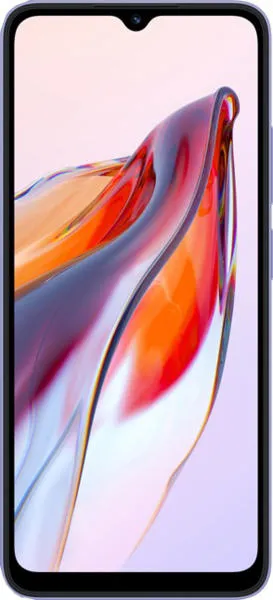
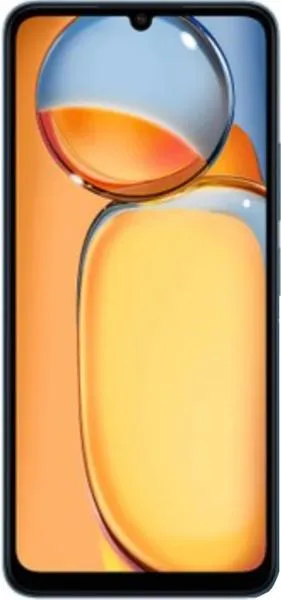
Xiaomi Redmi 12C vs. Xiaomi Poco C65: A Deep Dive for the Budget-Conscious Buyer
Hello fellow tech explorers! Today, we're dissecting two contenders in the budget smartphone arena: the Xiaomi Redmi 12C and the Xiaomi Poco C65. Both promise impressive features at wallet-friendly prices, but which one reigns supreme? Let's dive into the specs and uncover the real-world implications for you.
1. Specifications Breakdown
| Feature | Xiaomi Redmi 12C | Xiaomi Poco C65 | Real-World Implications | |||||
|---|---|---|---|---|---|---|---|---|
| Design | ||||||||
| Dimensions (mm) | 168.8 x 76.4 x 8.8 | 168 x 78 x 8.1 | Poco C65 is slightly wider, Redmi 12C marginally thinner. Negligible difference in hand feel. | |||||
| Weight (g) | 192 | 192 | Virtually identical, average for this size. | |||||
| Fingerprint Sensor | Rear-mounted | Side-mounted | Personal preference; side-mounted often integrated with power button. | |||||
| USB Port | microUSB 2.0 | USB Type-C 2.0 | C65's Type-C offers faster charging and data transfer, more durable. | |||||
| Display | ||||||||
| Size (inches) | 6.71 | 6.74 | Negligible difference in screen real estate. | |||||
| Resolution | 720 x 1650 | 720 x 1600 | Both are HD+, C65 slightly less sharp due to larger size, difference is minimal. | |||||
| Refresh Rate | - | 90Hz | C65's 90Hz delivers smoother scrolling and animations. | |||||
| Panel Type | IPS LCD | IPS LCD | Similar color accuracy and viewing angles expected. | |||||
| Performance | ||||||||
| Chipset | Helio G85 | Helio G85 | Identical performance; good for everyday tasks, light gaming. | |||||
| CPU | Octa-core | Octa-core | Same CPU architecture, expect similar processing power. | |||||
| GPU | Mali-G52 MC2 | Mali-G52 MC2 | Same GPU, comparable graphics performance. | |||||
| RAM | 3/4/6GB | 6/8GB | C65 offers more RAM in base model, better for multitasking. | |||||
| Storage | 32/64/128GB | 128/256GB | C65 offers significantly more storage in base model. | OS | Android 12 | Android 13 | C65 comes with a newer Android version, potentially longer software support. | |
| Camera | ||||||||
| Main Camera | 50MP | 50MP | Similar resolution, image quality depends on sensor and processing. | |||||
| Selfie Camera | 5MP | 8MP | C65 likely to produce better selfie photos. | |||||
| Video Recording | 1080p@30fps | 1080p@30fps | Similar video recording capabilities. | |||||
| Battery Life | ||||||||
| Capacity | 5000mAh | 5000mAh | Similar battery capacity, actual usage will vary. |
2. Key Insights
Both phones share the same processor and battery capacity, indicating similar performance and battery life. However, the Poco C65 edges out the Redmi 12C with its higher refresh rate display, USB Type-C port, larger RAM and storage options, and a newer Android OS. The Redmi 12C offers more color options and might have a slightly more compact form factor.
3. User Profiles and Recommendations
- Redmi 12C: Best for budget-conscious users who prioritize basic functionality, a compact design,NFC and a wide range of color options. Ideal for calling, texting, social media, and light web browsing.
- Poco C65: Best for users who value a smoother display experience, faster charging, ample storage, and the latest Android version. Suitable for moderate multitasking, media consumption, and casual gaming.
4. Buying Decision Framework
- What's your budget? The Redmi 12C generally comes at a lower price point.
- How much storage do you need? The Poco C65 offers significantly more storage.
- Is a smoother display and faster charging important? If yes, the Poco C65 is the better choice.
My Choice: I would choose the Poco C65. While the Redmi 12C is an attractive budget option, the Poco C65 offers significant advantages for a relatively small price difference. The 90Hz refresh rate noticeably enhances daily use, the USB-C port is a modern necessity, and the extra RAM and storage provide future-proofing. While both phones share core performance capabilities, these quality-of-life improvements make the Poco C65 a more compelling overall package for me. The newer Android version also suggests longer software support, an important factor for long-term use.
