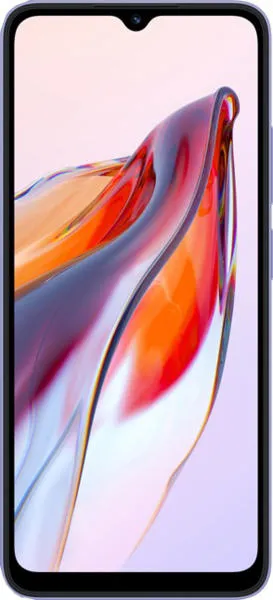
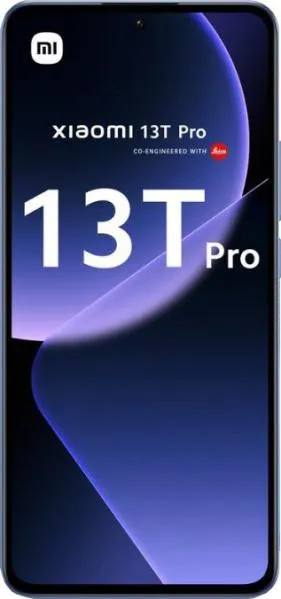
Xiaomi Redmi 12C vs. Xiaomi 13T Pro: A Deep Dive
Let's dissect the Xiaomi Redmi 12C and the Xiaomi 13T Pro, two phones occupying very different spaces in the Xiaomi ecosystem. This isn't just a spec comparison; we're diving into how these differences translate to your daily experience.
1. Specifications Breakdown
| Feature | Xiaomi Redmi 12C | Xiaomi 13T Pro | Real-World Implications |
|---|---|---|---|
| Design | |||
| Dimensions (mm) | 168.8 x 76.4 x 8.8 | 162.2 x 75.7 x 8.5 | 12C is slightly larger and thicker. 13T Pro likely feels more premium due to materials (not specified). |
| Weight (g) | 192 | 200 | Negligible difference in weight. |
| Display | |||
| Type | IPS LCD | AMOLED | 13T Pro offers vibrant colors, deeper blacks, and better power efficiency. 12C's LCD is adequate for basic tasks. |
| Size | 6.71" | 6.67" | Virtually the same screen real estate. |
| Resolution | 720 x 1650 | 1220 x 2712 | 13T Pro boasts significantly sharper visuals, crucial for media consumption and gaming. |
| Refresh Rate | Unspecified | 144Hz | 13T Pro's high refresh rate delivers incredibly smooth animations and scrolling, enhancing responsiveness and gaming. 12C likely has 60Hz. |
| Performance | |||
| Chipset | Helio G85 | Dimensity 9200+ | 13T Pro offers a massive leap in processing power, enabling demanding gaming, multitasking, and faster app loading. |
| CPU | Octa-core (2x2.0 GHz Cortex-A75 & 6x1.8 GHz Cortex-A55) | Octa-core (1x3.35 GHz Cortex-X3 & 3x3.0 GHz Cortex-A715 & 4x2.0 GHz Cortex-A510) | 13T Pro utilizes the latest Arm architecture for exceptional performance and efficiency. |
| GPU | Mali-G52 MC2 | Immortalis-G715 MC11 | 13T Pro's GPU provides a substantial boost in graphics performance for demanding games and applications. |
| RAM | 3/4/6GB | 12/16GB | More RAM on the 13T Pro ensures smooth multitasking and effortless handling of large applications. |
| Camera | |||
| Main Camera | 50MP | 50MP (Sony IMX707) | Both have high megapixel counts, but the 13T Pro likely uses a superior sensor (IMX707) for better image quality, especially in low light. |
| Video | 1080p@30fps | Up to 8K@24fps | 13T Pro offers far superior video recording capabilities with higher resolution and frame rates. |
| Battery Life | |||
| Capacity | 5000mAh | 5000mAh | Similar battery capacities, but real-world usage will vary due to the 13T Pro's more power-hungry display and processor. |
2. Key Insights
The Redmi 12C is a budget-friendly device designed for essential tasks. Its strengths lie in its large display for media consumption, decent battery life, and a surprisingly capable camera for its price range. However, it's not built for heavy lifting; gaming performance will be limited, and the overall user experience will be less fluid compared to the 13T Pro.
The Xiaomi 13T Pro, on the other hand, is a flagship contender. Its powerful processor, stunning high refresh rate AMOLED display, and advanced camera system deliver a premium experience. Expect blazing-fast performance, smooth visuals, and impressive photographic capabilities. The trade-off is a higher price tag.
3. User Profiles and Recommendations
Redmi 12C: Ideal for budget-conscious users who prioritize basic communication, social media browsing, and light media consumption. Students, casual users, and those seeking a reliable secondary device would find it suitable.
Xiaomi 13T Pro: Perfect for power users, mobile gamers, photography enthusiasts, and anyone who demands top-tier performance and a premium multimedia experience.
4. Buying Decision Framework
- What's your budget? The Redmi 12C is significantly cheaper, while the 13T Pro commands a flagship price.
- What are your primary smartphone uses? Basic tasks vs. demanding applications and gaming?
- How important is display quality and camera performance? The 13T Pro significantly outperforms the 12C in both areas.
Scenario-Based Recommendations:
- Limited Budget, Basic Needs: Redmi 12C
- Balanced Budget, All-Around Performance: Consider other mid-range options (not listed here).
- Demanding User, Premium Experience: Xiaomi 13T Pro
My Choice: Xiaomi 13T Pro
If I were choosing, I'd go with the Xiaomi 13T Pro. While the Redmi 12C offers excellent value for its price, I prioritize a fluid user experience, a top-tier display, and strong gaming performance. The 13T Pro's Dimensity 9200+ processor, coupled with the 144Hz AMOLED display and robust camera system, aligns perfectly with my needs. I'm willing to invest in the premium experience it offers for long-term satisfaction. The leap in performance, display quality, and future-proofing outweighs the price difference for me. The Redmi 12C is a great entry-level phone, but the 13T Pro is a true powerhouse that excites me as a tech enthusiast.
