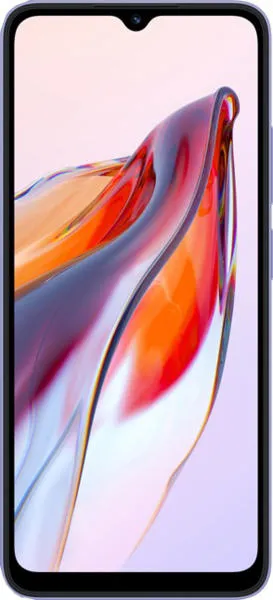
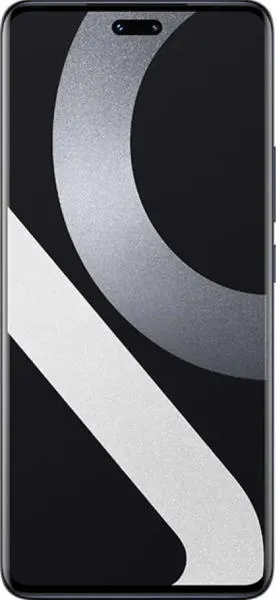
Xiaomi Redmi 12C vs. Xiaomi 13 Lite: A Deep Dive for the Discerning Smartphone Buyer
Hello, fellow tech explorers! Alex Griffin here, ready to dissect the Xiaomi Redmi 12C and Xiaomi 13 Lite. We'll go beyond the spec sheets to uncover what these phones really offer in terms of daily use. Let's get started!
1. Specifications Breakdown
| Feature | Xiaomi Redmi 12C | Xiaomi 13 Lite | Real-World Implications |
|---|---|---|---|
| Design | |||
| Dimensions (mm) | 168.8 x 76.4 x 8.8 | 159.2 x 72.7 x 7.2 | 13 Lite is noticeably more compact and pocket-friendly. |
| Weight (g) | 192 | 171 | 13 Lite feels lighter in hand, reducing fatigue during extended use. |
| Build Material | Plastic | Glass/Plastic | 13 Lite offers a more premium feel and potentially better durability. |
| Display | |||
| Display Type | IPS LCD | AMOLED | 13 Lite delivers richer colors, deeper blacks, and better contrast. |
| Size (inches) | 6.71 | 6.55 | Redmi 12C offers a slightly larger screen for media consumption. |
| Resolution | 720 x 1650 | 1080 x 2400 | 13 Lite boasts significantly sharper visuals and text clarity. |
| Refresh Rate (Hz) | - | 120 | 13 Lite provides smoother scrolling and animations, enhancing the overall user experience. |
| Performance | |||
| Chipset | Helio G85 | Snapdragon 7 Gen 1 | 13 Lite offers drastically better CPU and GPU performance, resulting in faster app loading and smoother gaming. |
| CPU | Octa-core (2.0 GHz) | Octa-core (2.4 GHz) | 13 Lite handles demanding tasks with greater ease. |
| RAM (GB) | 3/4/6 | 8 | 13 Lite's larger RAM enables better multitasking and smoother performance with multiple apps open. |
| Camera | |||
| Main Camera (MP) | 50 | 50 | Comparable resolution, but 13 Lite likely utilizes a superior sensor (Sony IMX766). |
| Front Camera (MP) | 5 | 32 | 13 Lite offers much higher resolution for selfies and video calls. |
| Video Recording | 1080p@30fps | 4K@30fps | 13 Lite supports higher resolution video recording. |
| Battery Life | |||
| Capacity (mAh) | 5000 | 4500 | Redmi 12C has a larger battery, potentially offering longer battery life. |
| Charging | microUSB | USB-C | 13 Lite utilizes the more modern and versatile USB-C standard. |
| Price | Low | Medium | Redmi 12C significantly more affordable. |
2. Key Insights
The Redmi 12C is a budget-friendly device prioritizing battery life and a large display. Its Helio G85 processor is sufficient for basic tasks but struggles with demanding applications or gaming. The 13 Lite, on the other hand, is a performance-oriented mid-ranger. Its Snapdragon 7 Gen 1 chip, coupled with 8GB of RAM and a 120Hz AMOLED display, delivers a significantly smoother and more responsive user experience. The 13 Lite also boasts a superior camera system and faster charging, albeit with a smaller battery. The biggest differentiator is price, with the Redmi 12C costing significantly less.
3. User Profiles and Recommendations
- Redmi 12C: Ideal for budget-conscious users who prioritize battery life and basic functionality. Suitable for calling, texting, social media browsing, and light media consumption.
- Xiaomi 13 Lite: Best suited for users who demand a smooth and responsive experience, enjoy mobile gaming, and appreciate a high-quality display and camera.
4. Buying Decision Framework
- What is your budget? If price is a primary concern, the Redmi 12C is the clear choice.
- What are your primary use cases? For basic tasks, the Redmi 12C suffices. For demanding apps and gaming, the 13 Lite is necessary.
- How important is display and camera quality? The 13 Lite provides a substantial upgrade in both areas.
My Choice: Xiaomi 13 Lite
While the Redmi 12C offers incredible value for its price, I would choose the Xiaomi 13 Lite. The superior performance, stunning AMOLED display, and versatile camera system are compelling. The smoother user experience offered by the 120Hz refresh rate and the powerful Snapdragon 7 Gen 1 significantly enhance daily usability. While the battery is slightly smaller, the performance and feature upgrades justify the price difference for me. The USB-C port is also a big plus for modern convenience. As someone who values a fluid and responsive mobile experience, the 13 Lite aligns better with my needs.
