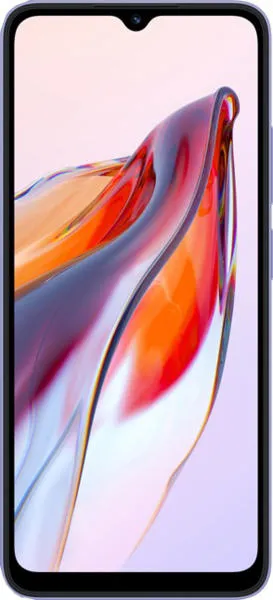
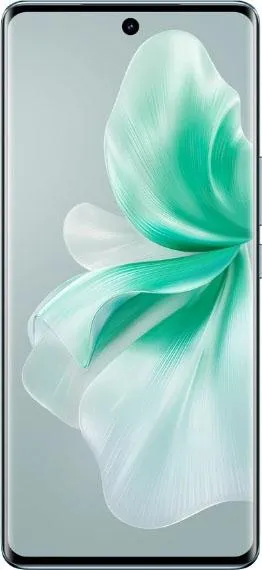
Xiaomi Redmi 12C vs. vivo V30: A Deep Dive for the Discerning Smartphone Buyer
Hello, fellow tech enthusiasts! Alex Griffin here, ready to dissect the Xiaomi Redmi 12C and the vivo V30. We'll go beyond the spec sheet and explore what these numbers really mean for your daily life.
1. Specifications Breakdown
| Feature | Xiaomi Redmi 12C | vivo V30 | Real-World Implications |
|---|---|---|---|
| Design | |||
| Dimensions (mm) | 168.8 x 76.4 x 8.8 | 164.4 x 75.1 x 7.5 | V30 is slightly more compact and thinner. |
| Weight (g) | 192 | 186 | Negligible difference in hand feel. |
| Build Materials | Plastic | - | Redmi 12C might feel less premium; durability info needed for V30. |
| Display | |||
| Size | 6.71" | 6.78" | Both offer large screens for immersive content consumption. |
| Type | IPS LCD | AMOLED | V30's AMOLED delivers richer colors, deeper blacks, and better contrast. |
| Resolution | 720 x 1650 | 1260 x 2800 | V30 boasts significantly sharper visuals (453 ppi vs 268 ppi). |
| Refresh Rate | - | 120Hz | V30 offers smoother scrolling and animations. |
| Performance | |||
| Chipset | Helio G85 | Snapdragon 7 Gen 3 | V30 offers a substantial performance leap for demanding tasks and gaming. |
| CPU | Octa-core (2x2.0 GHz Cortex-A75 & 6x1.8 GHz Cortex-A55) | Octa-core (1x2.63 GHz Cortex-A715 & 3x2.4 GHz Cortex-A715 & 4x1.8 GHz Cortex-A510) | V30's newer architecture and higher clock speeds provide significantly faster processing. |
| RAM | 3/4/6GB | 8GB | V30 ensures smoother multitasking and app loading. |
| Camera | |||
| Main Camera | 50MP | 50MP | Megapixels are similar; V30 likely has a superior sensor & features. |
| Selfie Camera | 5MP | 50MP | V30 offers a massive upgrade in selfie resolution and quality. |
| Video | 1080p@30fps | 4K@30fps | V30 captures higher resolution video. |
| Battery Life | |||
| Capacity | 5000mAh | 5000mAh | Similar battery capacities; real-world usage will vary due to display and processor differences. |
| Charging | microUSB | USB-C | V30 offers faster charging and a more modern connector. |
| Other | |||
| OS | Android 12 | Android 14 | V30 runs a newer Android version with more features and security updates. |
| NFC | Yes | Yes | Both support contactless payments. |
| Price Range | Low | Medium | Significant price difference reflecting performance disparities. |
2. Key Insights
The Redmi 12C is a budget-friendly option prioritizing basic functionality. Its large display is suitable for media consumption, but the lower resolution and IPS LCD technology pale compared to the V30. The Helio G85 chipset handles everyday tasks but struggles with demanding applications.
The vivo V30, on the other hand, is a performance-oriented device. The Snapdragon 7 Gen 3 chipset, coupled with 8GB of RAM, delivers a smooth and responsive experience, even for demanding games. The AMOLED display with a 120Hz refresh rate is a visual treat. The superior camera system, particularly the selfie camera, is a significant advantage.
3. User Profiles and Recommendations
Redmi 12C: Ideal for budget-conscious users who prioritize basic communication, social media, and light web browsing. Students or individuals seeking a secondary device would find it suitable.
vivo V30: Suited for users who demand a premium experience with smooth performance, a vibrant display, and a capable camera system. Mobile gamers, content creators, and those who value a future-proof device with longer software support would appreciate the V30.
4. Buying Decision Framework
- What is your budget? The Redmi 12C is significantly cheaper, while the V30 commands a higher price for its superior features.
- What are your primary smartphone needs? Basic tasks vs. demanding applications and gaming.
- How important is display quality and camera performance? The V30 excels in these areas.
My Choice: The vivo V30
While the Redmi 12C offers excellent value for its price, I would choose the vivo V30. The superior performance, stunning AMOLED display, faster refresh rate, and advanced camera system are compelling. As someone who values a smooth and responsive user experience, the Snapdragon 7 Gen 3 and the higher RAM capacity of the V30 are crucial. The future-proofing offered by the newer Android version and the promise of longer software updates further solidify my decision. While the price difference is significant, the V30 represents a worthwhile investment for a device that will remain relevant and enjoyable to use for an extended period. The leap in user experience justifies the premium.
