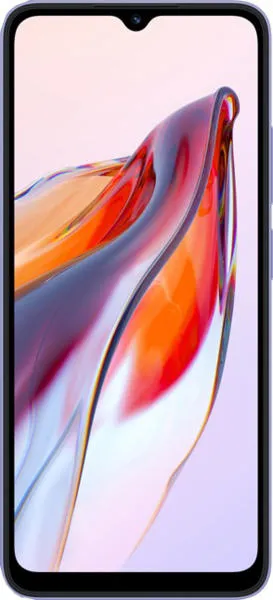
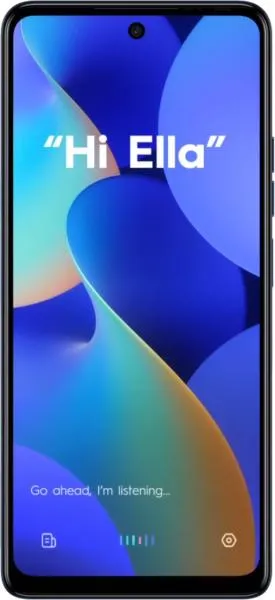
Xiaomi Redmi 12C vs. Tecno Spark 10 Pro: A Deep Dive
Let's dissect the Xiaomi Redmi 12C and Tecno Spark 10 Pro, two contenders vying for your attention in the budget to mid-range smartphone arena. I'll break down their specs, analyze their real-world performance, and guide you toward the device that best fits your needs.
1. Specifications Breakdown
| Feature | Xiaomi Redmi 12C | Tecno Spark 10 Pro | Real-World Implications |
|---|---|---|---|
| Design | |||
| Dimensions (mm) | 168.8 x 76.4 x 8.8 | 168.4 x 76.2 x 8.4 | Spark 10 Pro slightly thinner and lighter, negligible in daily use. |
| Weight (g) | 192 | 208 | Noticeable difference; Redmi 12C feels more comfortable for extended use. |
| Build Material | Plastic | Plastic | Expect similar durability and in-hand feel. |
| Display | |||
| Size (inches) | 6.71 | 6.8 | Both offer large screens for immersive content consumption. |
| Resolution | 720 x 1650 | 1080 x 2460 | Spark 10 Pro boasts significantly sharper visuals (FHD+ vs. HD+). |
| Refresh Rate | Standard | 90Hz | Spark 10 Pro delivers smoother scrolling and animations. |
| Display Type | IPS LCD | IPS LCD | Expect good color reproduction and viewing angles from both. |
| Performance | |||
| Chipset | Helio G85 | Helio G88 | Marginal performance difference, G88 slightly faster. |
| CPU | Octa-core | Octa-core | Both handle everyday tasks efficiently. |
| RAM | 3/4/6GB | 8GB | Spark 10 Pro offers more headroom for multitasking and demanding apps. |
| Storage | 32/64/128GB | 128/256GB | Spark 10 Pro provides ample storage for media and files. |
| Camera | |||
| Rear Camera | 50MP Main | 50MP Main | Comparable primary camera performance expected. |
| Selfie Camera | 5MP | 32MP | Spark 10 Pro offers significantly better selfie quality. |
| Video Recording | 1080p@30fps | 1440p@30fps | Spark 10 Pro capable of higher resolution video recording. |
| Battery Life | |||
| Capacity | 5000mAh | 5000mAh | Similar battery life expected, depending on usage patterns. |
| Charging | microUSB | USB-C | Spark 10 Pro benefits from the faster and more versatile USB-C port. |
| Other | |||
| OS | Android 12 | Android 13 | Spark 10 Pro runs a newer version of Android. |
| NFC | Yes | Yes | Both support contactless payments and data transfer. |
| Price Range | Low | Mid | Redmi 12C significantly more affordable. |
2. Key Insights
The Redmi 12C shines in its affordability. It handles essential tasks well and offers a large display for media consumption. However, it compromises on resolution, refresh rate, and camera quality.
The Spark 10 Pro, while more expensive, provides a noticeable upgrade in display sharpness, refresh rate, RAM, storage, selfie camera, and charging port. It's the more well-rounded device for users seeking a smoother, more capable smartphone experience.
3. User Profiles and Recommendations
Redmi 12C: Ideal for budget-conscious users who prioritize basic functionality, long battery life, and a large screen for media consumption. Students, casual users, and those seeking a secondary device would find it suitable.
Spark 10 Pro: Best suited for users who value a smoother, more responsive experience with a better display, ample storage, and improved camera capabilities. Gamers, content creators, and those who multitask heavily would appreciate its performance.
4. Buying Decision Framework
- What's your budget? If price is a major constraint, the Redmi 12C offers excellent value.
- What are your primary use cases? For basic communication, web browsing, and media consumption, the Redmi 12C suffices. For demanding tasks, gaming, and content creation, the Spark 10 Pro is the better choice.
- Which features matter most? If display quality, refresh rate, camera performance, and faster charging are essential, invest in the Spark 10 Pro. If basic functionality and affordability are paramount, the Redmi 12C is a solid option.
My Choice: Tecno Spark 10 Pro
While I admire the Redmi 12C's value proposition, I'd personally choose the Tecno Spark 10 Pro. The significantly better display (higher resolution and 90Hz refresh rate) alone makes a huge difference in daily use, creating a much more enjoyable experience. The added RAM and storage provide future-proofing and smoother multitasking, which are crucial for my workflow. The improved selfie camera is a welcome bonus in the age of video calls and social media. While the price difference is noticeable, the overall enhanced user experience offered by the Spark 10 Pro justifies the investment for me. The USB-C port is also a big plus, making charging more convenient. Ultimately, I prioritize performance and a fluid user interface, and the Spark 10 Pro delivers in those areas.
