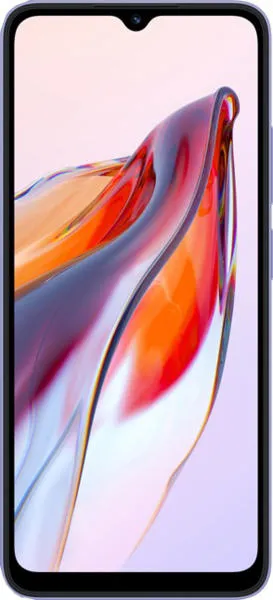
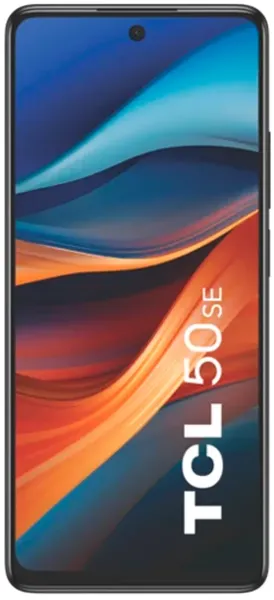
Xiaomi Redmi 12C vs. TCL 50 SE: A Budget Battle Royale
Hello, fellow tech explorers! Today, we're diving deep into a comparison of two budget-friendly smartphones vying for your attention: the Xiaomi Redmi 12C and the TCL 50 SE. Let's dissect their specs, uncover their strengths and weaknesses, and see which phone emerges as the champion of value.
1. Specifications Breakdown
| Feature | Xiaomi Redmi 12C | TCL 50 SE | Real-World Implications |
|---|---|---|---|
| Design | |||
| Dimensions (mm) | 168.8 x 76.4 x 8.8 | 168.2 x 75.5 x 8.1 | Redmi 12C slightly taller and thicker. Negligible difference in hand feel. |
| Weight (g) | 192 | 195 | Both feel substantial; minimal weight difference. |
| Build Material | Plastic | Plastic | Expect similar durability and in-hand feel; case recommended for both. |
| Display | |||
| Size | 6.71" | 6.78" | TCL 50 SE offers slightly more screen real estate. |
| Resolution | 720 x 1650 | 1080 x 2460 | TCL 50 SE boasts significantly sharper visuals due to higher resolution (FHD+ vs. HD+). |
| Refresh Rate | - | 90Hz | TCL 50 SE's smoother scrolling and animations enhance the user experience. |
| Display Type | IPS LCD | IPS LCD | Expect vibrant colors and good viewing angles from both, but TCL 50 SE may be brighter. (550 vs 500 nits typical) |
| Performance | |||
| Chipset | Helio G85 | Helio G88 | Marginal performance difference; both handle everyday tasks and light gaming adequately. |
| CPU | Octa-core (2x2.0 GHz Cortex-A75 & 6x1.8 GHz Cortex-A55) | Octa-core (2x2.0 GHz Cortex-A75 & 6x1.8 GHz Cortex-A55) | Similar CPU architecture; expect comparable processing power. |
| GPU | Mali-G52 MC2 | Mali-G52 MC2 | Similar graphics performance. |
| RAM | 3/4/6GB | 4/6GB | More RAM options on Redmi 12C, but 4GB sufficient for most users; 6GB provides future-proofing. |
| Storage | 64/128GB | 128/256GB | TCL 50 SE offers more base storage. |
| Camera | |||
| Main Camera | 50MP | 50MP | Both offer high-resolution primary sensors; image quality will depend on software processing. |
| Selfie Camera | 5MP | 8MP | TCL 50 SE likely to produce better selfie photos. |
| Battery Life | |||
| Capacity | 5000mAh | 5010mAh | Negligible difference in battery capacity; expect all-day battery life from both. |
| Charging | microUSB | USB-C | TCL 50 SE features the more modern and versatile USB-C port. |
| Other | |||
| OS | Android 12 | Android 14 | TCL 50 SE ships with a newer Android version, offering potential feature and security advantages. |
| NFC | Yes | Yes | Both support contactless payments. |
| Price Range | Low | Mid | Redmi 12C significantly more affordable. |
2. Key Insights
The TCL 50 SE boasts a significantly better display with a higher resolution and faster refresh rate, resulting in a more enjoyable viewing experience. Its newer Android version, USB-C port, and slightly better selfie camera also give it an edge. However, the Redmi 12C offers a wider range of RAM and storage configurations at a much lower price point. Performance differences between the two are negligible for everyday use.
3. User Profiles and Recommendations
Redmi 12C: Ideal for budget-conscious users who prioritize affordability and basic functionality. Great for calling, texting, social media browsing, and light gaming. The multiple RAM/storage options cater to varying needs and budgets.
TCL 50 SE: Best suited for users who value a superior display and more modern features like a 90Hz refresh rate and USB-C charging. A good choice for media consumption, multitasking, and those seeking a longer software update cycle.
4. Buying Decision Framework
- What's your budget? If price is a primary concern, the Redmi 12C is the clear winner.
- How important is display quality? The TCL 50 SE's FHD+ display with a 90Hz refresh rate provides a noticeable upgrade in visual experience.
- What's your usage pattern? For basic tasks, the Redmi 12C suffices. If you consume lots of media or demand smoother performance, the TCL 50 SE is preferable.
My Choice: While the Redmi 12C is incredibly tempting for its price, I would choose the TCL 50 SE. The superior display, coupled with the more modern USB-C port and newer Android version, makes it a more future-proof device. The difference in price is justifiable for the tangible improvements in daily use. I find that screen quality significantly impacts my enjoyment of a smartphone, and the 90Hz refresh rate is a feature I've come to appreciate for its smoothness. The longer software support also provides peace of mind. While I am frugal, I believe the TCL 50 SE offers a better overall value proposition in the long run.
