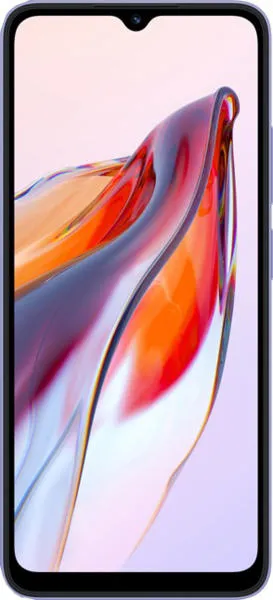
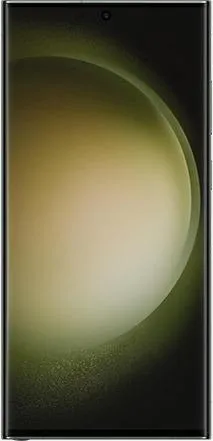
Let's dive into a comprehensive comparison of the Xiaomi Redmi 12C and the Samsung Galaxy S23 Ultra. These two phones occupy completely different ends of the smartphone spectrum, catering to distinct user needs and budgets.
1. Specifications Breakdown
| Feature | Xiaomi Redmi 12C | Samsung Galaxy S23 Ultra | Real-World Implications |
|---|---|---|---|
| Design | |||
| Dimensions (mm) | 168.8 x 76.4 x 8.8 | 163.4 x 78.1 x 8.9 | S23 Ultra is slightly more compact despite the larger screen. |
| Weight (g) | 192 | 234 | Redmi 12C is noticeably lighter, reducing hand fatigue. |
| Build Material | Plastic | Glass & Aluminum | S23 Ultra offers a more premium feel and likely better durability. |
| Display | |||
| Size (inches) | 6.71 | 6.8 | Both offer large screens suitable for media consumption. |
| Resolution | 720 x 1650 | 1440 x 3088 | S23 Ultra boasts significantly sharper visuals and finer details. |
| Panel Type | IPS LCD | Dynamic AMOLED 2X | S23 Ultra delivers vibrant colors, deeper blacks, and superior contrast. |
| Refresh Rate | N/A | 120Hz | S23 Ultra provides smoother scrolling and animations, enhancing responsiveness. |
| Performance | |||
| Chipset | Helio G85 | Snapdragon 8 Gen 2 | S23 Ultra offers flagship-level performance, enabling seamless multitasking and demanding gaming. |
| CPU | Octa-core | Octa-core | S23 Ultra's CPU architecture is far more powerful, delivering significantly faster processing speeds. |
| RAM | 3/4/6GB | 8/12GB | S23 Ultra provides ample memory for demanding tasks and smooth multitasking. |
| Camera | |||
| Main Camera | 50MP | 200MP | S23 Ultra offers vastly superior resolution and advanced imaging capabilities. |
| Video Recording | 1080p@30fps | Up to 8K@30fps | S23 Ultra supports significantly higher video resolution and frame rates. |
| Battery Life | |||
| Capacity | 5000mAh | 5000mAh | Similar battery capacities, but real-world usage will vary due to different processors and display technologies. |
2. Key Insights
The Redmi 12C is a budget-friendly device prioritizing affordability. Its strengths lie in its large display for media consumption and a long-lasting battery. However, it compromises on performance, camera quality, and overall build quality.
The Galaxy S23 Ultra, on the other hand, is a premium flagship smartphone. It excels in every aspect, from its stunning display and powerful performance to its cutting-edge camera system and premium design. The 120Hz refresh rate makes everyday interactions incredibly smooth.
3. User Profiles and Recommendations
Redmi 12C: Ideal for budget-conscious users who prioritize basic smartphone functionalities like calling, texting, browsing, and light media consumption. Students or individuals seeking a secondary device would find it suitable.
Galaxy S23 Ultra: Perfect for power users, mobile gamers, photography enthusiasts, and anyone who demands the best possible smartphone experience. Professionals, content creators, and tech enthusiasts would appreciate its capabilities.
4. Buying Decision Framework
- What is your budget? The Redmi 12C is significantly cheaper, while the S23 Ultra commands a premium price.
- What are your primary smartphone needs? For basic use, the Redmi 12C suffices. For demanding tasks, gaming, and high-quality photography, the S23 Ultra is the clear winner.
- How important is longevity and future-proofing? The S23 Ultra, with its powerful hardware and software updates, will offer a longer lifespan and better performance in the long run.
My Choice: Samsung Galaxy S23 Ultra
While the Redmi 12C offers excellent value for its price, I would choose the Samsung Galaxy S23 Ultra. As a tech journalist focused on the cutting edge, I need a device that can handle demanding tasks, capture high-quality photos and videos, and provide a premium user experience. The S23 Ultra's superior performance, stunning display, and advanced camera system are essential for my work. While the price is significantly higher, the long-term value proposition, including software updates and sustained performance, makes it a worthwhile investment for my needs. The smoother user experience offered by the 120Hz display and the sheer power under the hood are simply too compelling to ignore. Essentially, it's a portable powerhouse that enables me to stay on top of the latest trends and create engaging content.
