
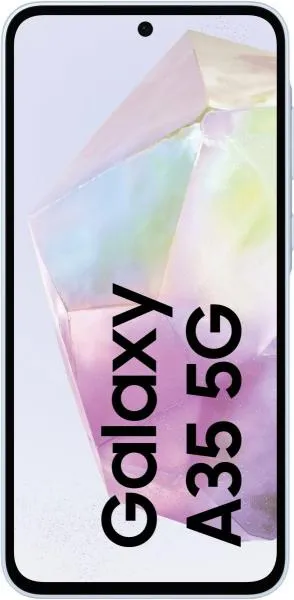
Xiaomi Redmi 12C vs. Samsung Galaxy A35: A Deep Dive
Let's dissect the Xiaomi Redmi 12C and the Samsung Galaxy A35, going beyond the spec sheet to understand what these phones offer in the real world.
1. Specifications Breakdown
| Feature | Xiaomi Redmi 12C | Samsung Galaxy A35 | Real-World Implications |
|---|---|---|---|
| Design | |||
| Dimensions (mm) | 168.8 x 76.4 x 8.8 | 161.7 x 78 x 8.2 | A35 is slightly more compact. |
| Weight (g) | 192 | 209 | Redmi 12C is noticeably lighter, reducing hand fatigue during extended use. |
| Build Materials | Plastic | Plastic | Expect similar durability; case usage recommended for both. |
| Display | |||
| Size (inches) | 6.71 | 6.6 | Redmi 12C offers a slightly larger screen for media consumption. |
| Resolution | 720 x 1650 | 1080 x 2340 | A35 boasts significantly sharper visuals due to higher resolution (and pixel density), resulting in crisper text, images, and videos. |
| Panel Type | IPS LCD | Super AMOLED | A35's AMOLED delivers richer colors, deeper blacks, and better power efficiency in dark mode. Redmi 12C's LCD may appear washed out in comparison. |
| Refresh Rate | N/A | 120Hz | A35's 120Hz refresh rate provides a smoother, more fluid user experience, especially noticeable in scrolling and gaming. |
| Performance | |||
| Chipset | Helio G85 | Exynos 1380 | A35's Exynos 1380 offers significantly better CPU and GPU performance, translating to faster app loading, smoother multitasking, and enhanced gaming. |
| RAM | 3/4/6GB | 6/8GB | A35's larger RAM capacity ensures smoother performance with multiple apps open. |
| OS | Android 12 | Android 14 | A35 comes with a newer Android version and is likely to receive longer software updates. |
| Camera | |||
| Main Camera | 50MP | 50MP | Both offer high-resolution sensors, but A35 likely produces superior image quality due to better processing and a potentially larger sensor size. |
| Video Recording | 1080p@30fps | 4K@30fps | A35 allows for higher resolution video recording. |
| Battery Life | |||
| Capacity (mAh) | 5000 | 5000 | Similar battery capacities suggest comparable longevity, though A35's AMOLED efficiency might provide a slight edge. |
2. Key Insights
- Performance: The Galaxy A35 is the clear winner in performance, thanks to its more powerful Exynos 1380 chipset and ample RAM. This translates to a noticeably smoother and more responsive user experience across the board.
- Display: While the Redmi 12C has a slightly larger screen, the A35's Super AMOLED display with a 120Hz refresh rate offers a vastly superior visual experience with vibrant colors, deep blacks, and incredibly smooth motion.
- Camera: Both phones feature a 50MP main camera, but the A35 likely benefits from superior image processing and potentially a larger sensor, resulting in better overall image quality. Additionally, the A35 supports 4K video recording.
- Value: The Redmi 12C significantly undercuts the A35 in price. It offers a large display and long battery life at a budget-friendly price point.
3. User Profiles and Recommendations
- Redmi 12C: Ideal for budget-conscious users who prioritize basic functionality, a large display for media consumption, and long battery life. Suitable for casual users primarily focused on web browsing, social media, and light gaming.
- Galaxy A35: Best suited for users who demand a smooth and responsive experience, a vibrant display, and capable cameras. Ideal for power users, mobile gamers, and those who value software updates and future-proofing.
4. Buying Decision Framework
- What is your budget? If price is a primary concern, the Redmi 12C offers excellent value.
- How important is performance and a smooth user experience? If you value speed and responsiveness, the A35's superior hardware is a must.
- What are your primary use cases? For basic tasks, the Redmi 12C suffices. For demanding applications and media consumption, the A35 provides a significant upgrade.
My Choice: Samsung Galaxy A35
While the Redmi 12C offers incredible value, I would choose the Samsung Galaxy A35. The superior AMOLED display with a 120Hz refresh rate, the significantly more powerful processor, and the promise of longer software updates are compelling. I prioritize a smooth and fluid user experience, and the A35 delivers on that front. The price difference is significant, but for me, the enhanced performance, display, and longevity of the A35 justify the investment. It's a device that will likely remain relevant and enjoyable to use for a longer period.
