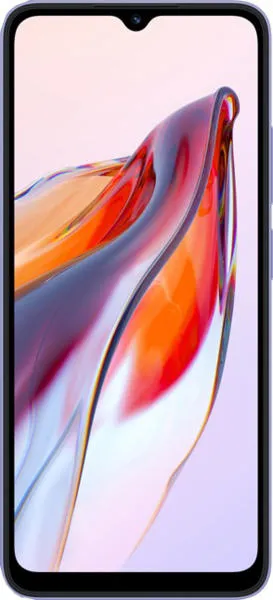
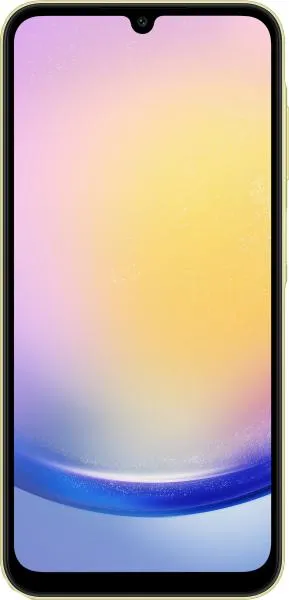
Xiaomi Redmi 12C vs. Samsung Galaxy A15: A Deep Dive for the Discerning Buyer
Hello fellow tech explorers! Today, we're dissecting two intriguing contenders in the budget and mid-range smartphone arena: the Xiaomi Redmi 12C and the Samsung Galaxy A15. Let's cut through the marketing fluff and uncover what these devices really offer.
1. Specifications Breakdown
| Feature | Xiaomi Redmi 12C | Samsung Galaxy A15 | Real-World Implications | |||||
|---|---|---|---|---|---|---|---|---|
| Design | ||||||||
| Dimensions (mm) | 168.8 x 76.4 x 8.8 | 160.1 x 76.8 x 8.4 | A15 slightly more compact, potentially easier to handle. | |||||
| Weight (g) | 192 | 200 | Negligible difference in weight. | |||||
| USB Type | microUSB 2.0 | USB Type-C 2.0 | A15's USB-C offers faster data transfer and more versatile accessory compatibility. | |||||
| Display | ||||||||
| Size (inches) | 6.71 | 6.5 | Redmi 12C offers a larger screen for media consumption. | |||||
| Resolution | 720 x 1650 | 1080 x 2340 | A15 boasts significantly sharper visuals due to higher resolution (396 ppi vs 268 ppi). | |||||
| Type | IPS LCD | Super AMOLED | A15's AMOLED delivers richer colors, deeper blacks, and better power efficiency. | |||||
| Refresh Rate | - | 90Hz | A15's smoother scrolling and animations enhance the user experience. | |||||
| Performance | ||||||||
| Chipset | Helio G85 (12nm) | Helio G99 (6nm) or Dimensity 6100+ | A15's more advanced and efficient processor promises smoother multitasking and gaming. | |||||
| CPU | Octa-core | Octa-core | While both have eight cores, the architecture of A15 is expected to be superior. | GPU | Mali-G52 MC2 | Mali-G57 MC2 | A15's GPU should handle graphics-intensive tasks with greater ease. | |
| RAM | 3/4/6GB | 4/6/8GB | A15 offers higher RAM options for better multitasking performance. | |||||
| OS | Android 12 | Android 14 | A15 comes with a newer Android version, offering potential feature and security advantages. | |||||
| Camera | ||||||||
| Main Camera | 50MP | 50MP | Similar megapixel count; real-world performance will depend on sensor and image processing. | |||||
| Front Camera | 5MP | 13MP | A15's significantly higher resolution front camera is better for selfies and video calls. | |||||
| Battery Life | ||||||||
| Capacity | 5000mAh | 5000mAh | Similar battery capacities; actual battery life depends on usage and optimization. |
2. Key Insights
- Display: The A15's Super AMOLED display with a 90Hz refresh rate is a clear winner, offering a vastly superior visual experience compared to the Redmi 12C's LCD.
- Performance: The A15, with its more advanced processor (Helio G99 or Dimensity 6100+) and higher RAM options, will likely deliver noticeably smoother performance, especially in demanding tasks and gaming.
- Camera: While both have 50MP main cameras, the A15's superior front camera (13MP vs. 5MP) and additional lenses (wide-angle and macro) provide greater versatility.
- Value: The Redmi 12C aims for extreme affordability, while the A15 offers a step up in features and performance at a slightly higher price.
3. User Profiles and Recommendations
- Redmi 12C: Best suited for budget-conscious users who prioritize basic functionality, a large screen, and long battery life for everyday tasks like calling, texting, and light browsing.
- Galaxy A15: Ideal for users who value a better display, smoother performance, improved camera capabilities, and a more refined overall user experience, especially for media consumption, gaming, and social media.
4. Buying Decision Framework
- What's your budget? If price is the primary concern, the Redmi 12C is the more affordable option.
- What are your primary smartphone uses? For basic tasks, the Redmi 12C suffices. For demanding apps and media, the A15 is preferable.
- How important is display quality? The A15's Super AMOLED display offers a significant advantage in visual experience.
My Choice: Samsung Galaxy A15
While the Redmi 12C provides incredible value for its price, I would choose the Samsung Galaxy A15. The superior AMOLED display, faster processor, higher RAM options, more versatile camera system, and newer Android version make it a more compelling overall package. The difference in price is justified by the significant jump in user experience. Even though there seems to be contradicting information on which processor the A15 utilizes, both the Helio G99 and the Dimensity 6100+ outperform the Helio G85. While I appreciate the Redmi 12C's affordability, I believe the A15 strikes a better balance between price and performance, offering a more future-proof and enjoyable smartphone experience.
