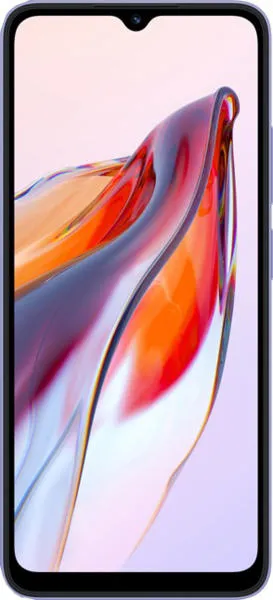
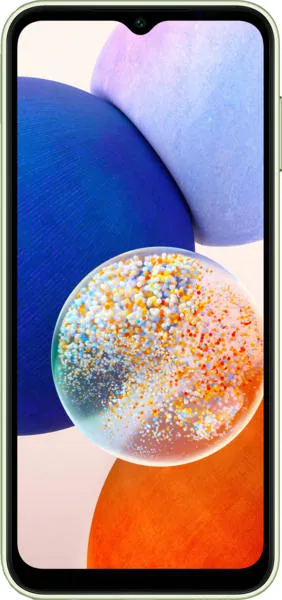
Xiaomi Redmi 12C vs. Samsung Galaxy A14: A Deep Dive for the Discerning Buyer
The budget smartphone arena is fiercely competitive, and two contenders vying for your attention are the Xiaomi Redmi 12C and the Samsung Galaxy A14. Both promise compelling features at affordable price points, but which one truly delivers? Let's dissect their specifications and uncover the nuances that separate them.
1. Specifications Breakdown
| Feature | Xiaomi Redmi 12C | Samsung Galaxy A14 | Real-World Implications |
|---|---|---|---|
| Design | |||
| Dimensions (mm) | 168.8 x 76.4 x 8.8 | 167.7 x 78 x 9.1 | Redmi 12C is slightly taller and slimmer; negligible difference in real-world usage. |
| Weight (g) | 192 | 201 | Both are lightweight, but A14 is slightly heavier. Minimal impact on daily portability. |
| Build Material | Plastic | Plastic | Expect similar durability and feel. A case is recommended for both. |
| Display | |||
| Size (inches) | 6.71 | 6.6 | Redmi 12C offers a marginally larger screen. |
| Resolution | 720 x 1650 | 1080 x 2408 | A14 boasts a significantly sharper display with Full HD+ resolution, resulting in crisper text and images, better video quality, and enhanced gaming. |
| Display Type | IPS LCD | PLS LCD | Both use LCD technology; expect good color reproduction and viewing angles. PLS LCD on the A14 might offer slightly better brightness and color accuracy. |
| PPI Density | 268 | 400 | The A14's higher pixel density translates to noticeably sharper visuals. |
| Performance | |||
| Chipset | Helio G85 | Helio G80 / Exynos 1330 (Variant Dependent) | Both chipsets offer comparable performance for everyday tasks. Gaming performance might be slightly better on the A14/Exynos 1330 variant. |
| CPU | Octa-core | Octa-core | Similar CPU configurations; expect comparable performance in multitasking and app loading times. |
| GPU | Mali-G52 MC2 | Mali-G68 MC4 | A14's GPU may offer a slight edge in graphics performance, particularly noticeable in demanding games. |
| RAM | 3/4/6GB | 4/6GB | More RAM options available on Redmi 12C, but 4GB is sufficient for most users. 6GB enhances multitasking and demanding applications. |
| OS | Android 12 | Android 13 | A14 ships with a newer Android version, offering potential software features and security updates. |
| Camera | |||
| Rear Camera | 50MP Main, 2MP Macro | 50MP Main, 5MP Ultrawide, 2MP Macro, 2MP Depth | A14 offers a more versatile camera system with an ultrawide lens and a dedicated depth sensor for portrait shots. |
| Front Camera | 5MP | 13MP | A14 has a significantly better selfie camera with higher resolution. |
| Battery Life | |||
| Capacity | 5000 mAh | 5000 mAh | Both phones have the same battery capacity; expect similar battery life depending on usage. |
2. Key Insights
- Display: The Samsung Galaxy A14's Full HD+ display is a clear winner, offering significantly sharper visuals compared to the Redmi 12C's 720p screen.
- Performance: While both phones offer similar performance for everyday tasks, the A14 may have a slight edge in gaming due to its potentially more powerful GPU. The varying chipsets in the A14 (Mediatek or Exynos) make it hard to give a definitive answer without knowing which specific A14 is being compared.
- Camera: The Galaxy A14 provides a more versatile camera setup thanks to its ultrawide lens and dedicated depth sensor. The higher resolution front camera also makes it a better choice for selfie enthusiasts.
- Software: The Galaxy A14 ships with Android 13, giving it a head start in software updates and potentially newer features compared to the Redmi 12C's Android 12.
- Price: The Redmi 12C generally comes at a lower price point, making it a budget-friendly option.
3. User Profiles and Recommendations
- Redmi 12C: Best suited for budget-conscious users who prioritize basic functionality, a large screen, and long battery life. Ideal for casual use like browsing, social media, and light gaming.
- Samsung Galaxy A14: A better choice for users who value a high-quality display, a versatile camera system, and a more up-to-date software experience. Suitable for those who enjoy multimedia consumption, mobile photography, and moderate gaming.
4. Buying Decision Framework
- What is your budget? If you're extremely price-sensitive, the Redmi 12C is the more affordable option.
- How important is display quality? If a sharp, vibrant display is a priority, the Galaxy A14 is the clear winner.
- What are your primary use cases? For basic tasks, the Redmi 12C suffices. For multimedia, photography, and gaming, the A14 offers a better experience.
My Choice: Samsung Galaxy A14
While the Redmi 12C offers incredible value for its price, I would choose the Samsung Galaxy A14. The superior display alone makes a significant difference in the overall user experience. The sharper visuals enhance everything from browsing websites to watching videos and playing games. Furthermore, the more versatile camera system and newer Android version on the A14 future-proof it slightly better, making it a more compelling device in the long run. While the price difference exists, the enhancements in screen quality, camera functionality, and software make the Galaxy A14 a worthwhile investment for a slightly elevated user experience. I value these quality-of-life improvements and am willing to pay a bit more for them.
