
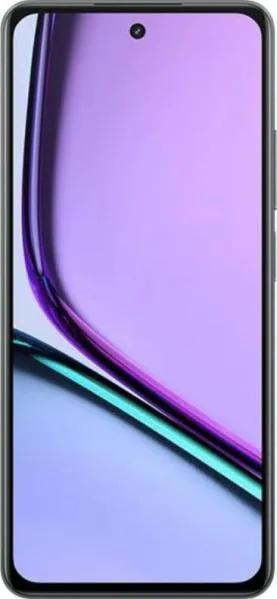
Xiaomi Redmi 12C vs. Realme C67: A Deep Dive for the Budget-Conscious Buyer
The budget smartphone arena is fiercely competitive, with manufacturers constantly vying for your attention. Today, we'll dissect two contenders: the Xiaomi Redmi 12C and the Realme C67. We'll go beyond the spec sheet, translating technical jargon into practical insights to help you choose the perfect device.
1. Specifications Breakdown
| Feature | Xiaomi Redmi 12C | Realme C67 | Real-World Implications |
|---|---|---|---|
| Design | |||
| Dimensions (mm) | 168.8 x 76.4 x 8.8 | 165.7 x 76 x 7.9 | Redmi 12C is slightly larger |
| Weight (g) | 192 | 190 | Negligible difference in hand |
| Build Material | Plastic | Plastic | Expect similar durability |
| Display | |||
| Size (inches) | 6.71 | 6.72 | Virtually identical screen real estate |
| Resolution | 720 x 1650 | 1080 x 2400 | Realme C67 boasts significantly sharper visuals |
| Refresh Rate (Hz) | - | 120 | C67's smoother scrolling and animations enhance the user experience |
| Display Type | IPS LCD | IPS LCD | Expect good color reproduction and viewing angles from both |
| Performance | |||
| Chipset | Helio G85 | Dimensity 6100+ | Realme C67 offers a more powerful and efficient processor |
| CPU | Octa-core (2x2.0 GHz A75 & 6x1.8 GHz A55) | Octa-core (2x2.2 GHz A76 & 6x2.0 GHz A55) | C67 will handle multitasking and demanding apps with greater ease |
| GPU | Mali-G52 MC2 | Mali-G57 MC2 | Realme C67 provides a noticeable boost in graphics performance for gaming |
| RAM | 3/4/6GB | 6GB | More RAM on the C67 ensures smoother multitasking |
| Camera | |||
| Main Camera | 50MP | 108MP | Realme C67 offers higher resolution, potentially capturing more detail |
| Front Camera | 5MP | 8MP | C67's selfie camera should produce better quality images |
| Video Recording | 1080p@30fps | 1080p@30fps | Identical video recording capabilities |
| Battery Life | |||
| Capacity (mAh) | 5000 | 5000 | Similar battery capacity suggests comparable endurance |
| Charging | microUSB | USB Type-C | C67 offers faster and more modern charging |
| Other | |||
| NFC | Yes | No | Redmi 12C supports contactless payments |
| OS | Android 12 | Android 13 | C67 comes with a newer OS version, offering potential feature and security advantages |
| Price Range | Low | Medium | Redmi 12C is the more affordable option |
2. Key Insights
The Realme C67 clearly boasts superior hardware across the board: a sharper display with a higher refresh rate, a more powerful processor and GPU, more RAM, a higher resolution main camera, and a more modern USB-C port. This translates to a smoother, faster, and more visually engaging user experience. The C67 excels in demanding tasks like gaming and multitasking.
The Redmi 12C, however, shines in its affordability and inclusion of NFC for contactless payments. It provides a decent everyday smartphone experience for basic tasks like browsing, social media, and light photography.
3. User Profiles and Recommendations
Redmi 12C: Ideal for budget-conscious users who prioritize affordability and essential features like calling, texting, and basic web browsing. Its NFC capability is a significant advantage for those who utilize contactless payments.
Realme C67: Suited for users seeking a more powerful and feature-rich experience, particularly those who enjoy mobile gaming, photography, or consuming multimedia content. The smoother display and faster performance make it a more enjoyable device for daily use.
4. Buying Decision Framework
- What's your budget? If price is the primary concern, the Redmi 12C offers excellent value.
- What are your primary smartphone uses? For basic tasks, the Redmi 12C suffices. For gaming, multimedia, and demanding apps, choose the Realme C67.
- Do you need NFC? If contactless payments are essential, the Redmi 12C is the only option here.
My Choice: Realme C67
While the Redmi 12C is a compelling budget option, I would personally choose the Realme C67. The superior performance, sharper display with a 120Hz refresh rate, and improved camera make a significant difference in the overall user experience. The jump to the Dimensity 6100+ chipset and the inclusion of 6GB RAM ensure a future-proof device capable of handling demanding tasks and software updates for longer. While I appreciate the NFC functionality on the Redmi 12C, the overall performance and user experience enhancements offered by the Realme C67 outweigh the benefits of NFC for my personal needs. I'm willing to pay a bit more for the significantly improved performance and longevity offered by the C67.
