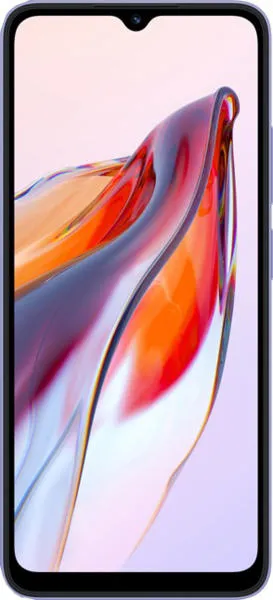
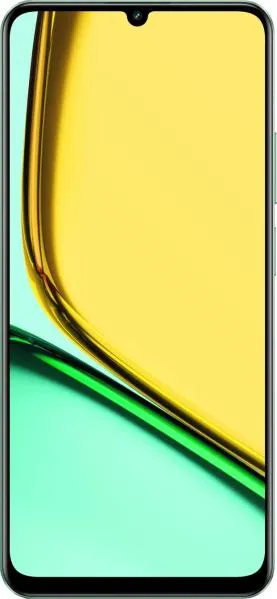
Xiaomi Redmi 12C vs. Realme C61: A Budget Battle Royale
Hello, fellow tech explorers! Alex Griffin here, ready to dissect two contenders vying for the budget smartphone crown: the Xiaomi Redmi 12C and the Realme C61. Both promise impressive features at wallet-friendly prices, but which one truly delivers? Let's dive into the nitty-gritty and uncover the real-world implications of their spec sheets.
1. Specifications Breakdown
| Feature | Xiaomi Redmi 12C | Realme C61 | Real-World Implications |
|---|---|---|---|
| Design | |||
| Dimensions (mm) | 168.8 x 76.4 x 8.8 | 167.3 x 76.7 x 7.8 | Realme C61 is slightly thinner and lighter, enhancing portability. |
| Weight (g) | 192 | 188 | Negligible difference in hand feel. |
| Display | |||
| Size (inches) | 6.71 | 6.74 | Both offer large screens ideal for media consumption. |
| Resolution | 720 x 1650 | 720 x 1600 | Comparable sharpness; slight difference in aspect ratio. Redmi 12C is slightly taller. |
| Refresh Rate (Hz) | 60 (assumed) | 90 | Realme C61's 90Hz display provides smoother scrolling and animations. |
| Display Type | IPS LCD | IPS LCD | Both use standard LCD technology; expect decent color accuracy and viewing angles. |
| Performance | |||
| Chipset | Helio G85 | Unisoc T612 | Helio G85 generally offers better gaming performance. |
| CPU | Octa-core (2x2.0 GHz A75 & 6x1.8 GHz A55) | Octa-core (2x1.8 GHz A75 & 6x1.8 GHz A55) | Redmi 12C has a slight edge in CPU performance due to the higher clock speed of two of its cores. |
| GPU | Mali-G52 MC2 | Mali-G57 | Mali-G57 in Realme C61 potentially provides slightly improved graphics capabilities, though real-world performance depends on implementation. |
| RAM | 3/4/6GB | 6GB | Realme C61 offers more RAM in its base configuration, enabling smoother multitasking. |
| OS | Android 12 | Android 14 | Realme C61 comes with a more modern OS, offering potential feature and security advantages. |
| Camera | |||
| Rear Camera | 50MP Main + 2MP Macro | 32MP Main + 2MP Portrait | Redmi 12C boasts a higher resolution main sensor. Realme C61 replaces the macro with a dedicated portrait lens. |
| Front Camera | 5MP | 5MP | Comparable selfie cameras. |
| Battery Life | |||
| Capacity (mAh) | 5000 | 5000 | Both have large batteries, suggesting good endurance. Real-world battery life will depend on usage patterns and software optimization. |
| Charging | microUSB | USB-C | Realme C61 offers the more modern and versatile USB-C port. |
| Other | |||
| NFC | Yes | No | Redmi 12C supports contactless payments and data transfer. |
| Price | Lower | Slightly Higher | Redmi 12C generally offers a more affordable entry point. |
2. Key Insights
The Redmi 12C focuses on core fundamentals: a large display, capable processor, long-lasting battery, and a high-resolution main camera, all at an incredibly competitive price. Its NFC capability is a significant advantage for users who rely on contactless transactions.
The Realme C61, while slightly more expensive, counters with a smoother 90Hz display, more RAM in its base model, a more modern Android version, and the convenience of USB-C. It prioritizes a sleek design and a potentially better user experience for day-to-day tasks. The lack of NFC might be a dealbreaker for some.
3. User Profiles and Recommendations
Redmi 12C: Ideal for budget-conscious users who prioritize core functionality, a large display, long battery life, and NFC. Students, casual gamers, and social media enthusiasts would find this phone a good fit.
Realme C61: Suitable for users who value a smoother display experience, a more recent Android version, and a modern design. Those who prioritize software updates and sleek aesthetics over absolute affordability might prefer the Realme C61. Those heavily reliant on mobile payments should look elsewhere.
4. Buying Decision Framework
Questions to Ask Yourself:
- Is NFC a must-have? If yes, the Redmi 12C is the clear winner.
- How important is display smoothness? If a high refresh rate is crucial, the Realme C61's 90Hz display will be more appealing.
- What's your budget? The Redmi 12C offers better value for money if you're on a tight budget.
My Choice:
Personally, I'd lean towards the Redmi 12C. While the Realme C61's 90Hz display and USB-C port are tempting, the Redmi 12C's lower price, NFC functionality, and slightly better processor make it a more compelling overall package for me. I value practicality and core performance over marginally smoother scrolling. The inclusion of NFC significantly enhances everyday convenience, making it a crucial feature in my book. The slightly older Android version is less of a concern, as core functionality remains largely the same. In the fiercely competitive budget segment, the Redmi 12C strikes a compelling balance between performance, features, and affordability.
