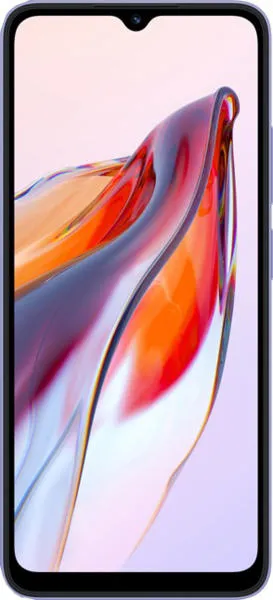
Xiaomi Redmi 12C vs. realme 8: A Deep Dive for the Discerning Smartphone Buyer
Hello, fellow tech explorers! Today, we're dissecting two intriguing smartphones: the budget-friendly Xiaomi Redmi 12C and the mid-range realme 8. Let's cut through the marketing jargon and uncover what these devices truly offer in terms of real-world performance.
1. Specifications Breakdown
| Feature | Xiaomi Redmi 12C | realme 8 | Real-World Implications |
|---|---|---|---|
| Design | |||
| Dimensions (mm) | 168.8 x 76.4 x 8.8 | 162 x 75.1 x 8.7 | Redmi 12C is slightly larger; realme 8 is more compact. |
| Weight (g) | 192 | 191 | Negligible weight difference. |
| Build Material | Plastic | Not specified | Redmi 12C's plastic build might feel less premium; Durability of realme 8 unknown without build material specified |
| Display | |||
| Display Type | IPS LCD | LTPO AMOLED | Realme 8 offers superior color accuracy, deeper blacks, and potentially better power efficiency due to AMOLED technology. |
| Size (inches) | 6.71 | 6.78 | Both have large screens suitable for media consumption. |
| Resolution | 720 x 1650 | 1264 x 2780 | Realme 8 boasts significantly sharper visuals due to much higher resolution. |
| Refresh Rate (Hz) | Not specified | 120 | Realme 8's 120Hz display delivers smoother scrolling and animations. |
| Performance | |||
| Chipset | Helio G85 | Snapdragon 7+ Gen 3 | Realme 8's processor is considerably more powerful, enabling smoother multitasking and gaming. |
| CPU | Octa-core (2.0 GHz) | Octa-core (2.8 GHz) | Realme 8's higher clock speeds translate to faster processing. |
| RAM (GB) | 3/4/6 | 12 | Realme 8 offers significantly more RAM, enabling better multitasking and app performance. |
| Camera | |||
| Rear Camera | 50MP Main + 2MP Macro | Data Missing | Redmi 12C's camera setup is basic but functional; realme 8 camera details are absent, preventing a detailed comparison. |
| Front Camera | 5MP | Data Missing | Redmi 12C has a basic selfie camera; detailed comparison not possible due to missing realme 8 data. |
| Battery Life | |||
| Capacity (mAh) | 5000 | 5500 | Realme 8 has a slightly larger battery capacity, potentially offering longer usage time. |
| Charging | microUSB | USB Type-C | Realme 8 offers the more modern and versatile USB Type-C port. |
| Other | |||
| NFC | Yes | Yes | Both support contactless payments. |
| OS | Android 12 | Android 14 | Realme 8 ships with a newer Android version, potentially offering more features and security updates. |
| Price Range | Low | Medium | Redmi 12C is significantly more affordable; realme 8 is positioned in a higher price bracket. |
2. Key Insights
- Performance: The realme 8's Snapdragon 7+ Gen 3 processor, coupled with 12GB of RAM, significantly outperforms the Redmi 12C's Helio G85 and lower RAM configurations. This translates to a smoother, more responsive experience for demanding tasks like gaming and multitasking.
- Display: The realme 8's LTPO AMOLED display with a 120Hz refresh rate provides a visually stunning experience with vibrant colors, deep blacks, and smooth animations. The Redmi 12C's IPS LCD, while adequate, lacks the same visual punch and fluidity.
- Value: The Redmi 12C excels in delivering essential smartphone features at an incredibly affordable price point. It caters to users primarily focused on basic communication, web browsing, and light media consumption.
3. User Profiles and Recommendations
- Redmi 12C: Ideal for budget-conscious users, students, or anyone seeking a reliable secondary device. Its strength lies in its affordability and long battery life.
- realme 8: Suited for users who prioritize performance, a premium display, and future-proofing with the latest Android version. Gamers, content creators, and power users will appreciate its capabilities.
4. Buying Decision Framework
- What's your budget? If price is a major constraint, the Redmi 12C is the clear winner.
- What are your primary use cases? For basic tasks, the Redmi 12C suffices. For demanding applications and gaming, the realme 8 is necessary.
- How important is display quality? If you value a vibrant and smooth display, the realme 8's AMOLED screen is a significant advantage.
My Choice: realme 8
While the Redmi 12C offers incredible value, I would choose the realme 8. The significantly superior performance, stunning AMOLED display, and future-proof specifications justify the higher price for me. I prioritize a smooth and responsive user experience, especially for tasks like gaming and content creation. The realme 8's powerful hardware, coupled with the latest Android version, ensures a device that will remain relevant and performant for longer. While missing some camera details to solidify my opinion, the rest of the phone is a clear winner for my needs.
