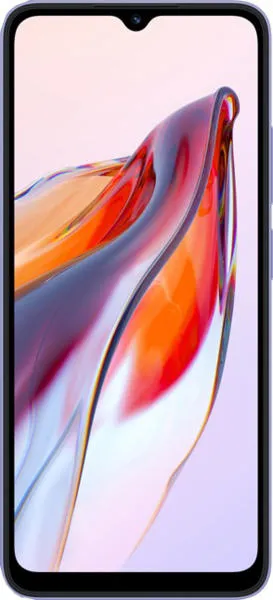
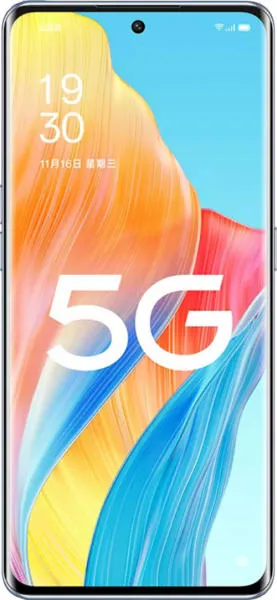
Xiaomi Redmi 12C vs. Oppo Reno8 T: A Deep Dive for the Discerning Smartphone Buyer
Hello fellow tech explorers! Alex Griffin here, ready to dissect the Xiaomi Redmi 12C and the Oppo Reno8 T. We'll go beyond the spec sheets to uncover what these phones really offer in terms of daily use. Let's get started!
1. Specifications Breakdown
| Feature | Xiaomi Redmi 12C | Oppo Reno8 T | Real-World Implications |
|---|---|---|---|
| Design | |||
| Dimensions (mm) | 168.8 x 76.4 x 8.8 | 160.8 x 73.8 x 7.8 | Reno8 T is noticeably more compact and thinner, enhancing one-handed usability. |
| Weight (g) | 192 | 180 | Reno8 T feels lighter in hand, reducing fatigue during extended use. |
| Build Material | Plastic | Plastic | Both offer durable builds, though plastic may feel less premium than glass or metal. |
| Display | |||
| Display Type | IPS LCD | AMOLED | Reno8 T's AMOLED provides richer colors, deeper blacks, and better power efficiency. |
| Size (inches) | 6.71 | 6.43 | Redmi 12C offers a larger screen for media consumption, while Reno8 T prioritizes portability. |
| Resolution | 720 x 1650 | 1080 x 2400 | Reno8 T's significantly sharper display delivers a more detailed and immersive visual experience. |
| Refresh Rate | - | 90Hz | Reno8 T's smoother refresh rate enhances scrolling and animations, making interactions feel more fluid. |
| Performance | |||
| Chipset | Helio G85 | Helio G99 | Reno8 T boasts a more powerful processor, resulting in faster app loading, smoother multitasking, and better gaming performance. |
| CPU | Octa-core (2x2.0 GHz & 6x1.8 GHz) | Octa-core (2x2.2 GHz & 6x2.0 GHz) | Reno8 T's CPU offers a slight edge in processing power. |
| RAM | 3/4/6GB | 8GB | Reno8 T's larger RAM enables smoother multitasking and handles demanding applications with ease. |
| Camera | |||
| Main Camera | 50MP | 100MP | Reno8 T's higher resolution main camera potentially captures more detail, especially in well-lit conditions. |
| Selfie Camera | 5MP | 32MP | Reno8 T offers a significantly better selfie camera for sharper and more detailed self-portraits. |
| Battery Life | |||
| Capacity | 5000 mAh | 5000 mAh | Both phones offer similar battery capacities, though real-world battery life will depend on usage patterns. |
2. Key Insights
The Redmi 12C is a budget-friendly device prioritizing a large display and long battery life. It's ideal for basic tasks like browsing, social media, and casual gaming. However, its lower resolution display and less powerful processor might show limitations with demanding tasks.
The Reno8 T, while more expensive, offers a significant upgrade in performance, display quality, and camera capabilities. Its AMOLED screen, faster processor, and higher resolution cameras cater to users seeking a more premium experience for multimedia consumption, gaming, and photography.
3. User Profiles and Recommendations
Redmi 12C: Best suited for budget-conscious users who prioritize basic functionality, a large screen, and all-day battery life. Ideal for students, casual users, or as a secondary device.
Reno8 T: Ideal for users who demand a more well-rounded experience with a focus on performance, a vibrant display, and capable cameras. Suitable for mobile gamers, photography enthusiasts, and those who value a premium feel.
4. Buying Decision Framework
- What's your budget? The Redmi 12C is significantly cheaper, making it a compelling option for tight budgets.
- What are your primary use cases? For basic tasks, the Redmi 12C suffices. For demanding apps, gaming, or photography, the Reno8 T is the better choice.
- How important is display quality? The Reno8 T's AMOLED screen offers a vastly superior visual experience compared to the Redmi 12C's LCD.
My Choice: As a tech journalist who values performance and a premium experience, I would choose the Oppo Reno8 T. The superior AMOLED display, faster processor, significantly better camera system, and sleek design outweigh the higher price for me. While the Redmi 12C is a solid budget option, the Reno8 T's overall package aligns better with my needs and preferences. The smoother 90Hz refresh rate is the icing on the cake, ensuring a fluid and responsive user experience.
