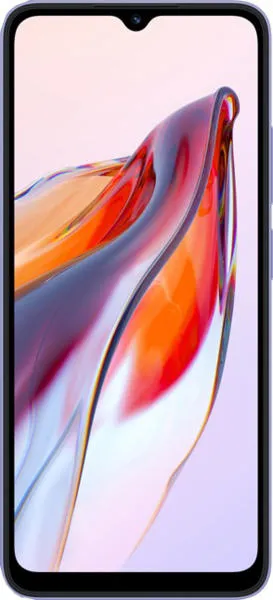
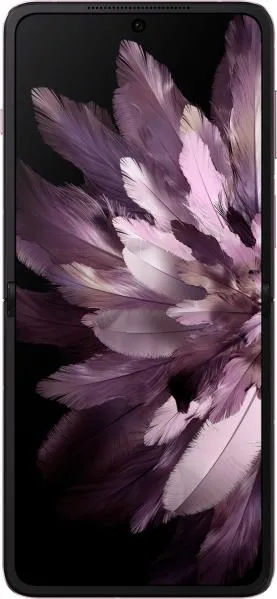
Xiaomi Redmi 12C vs. Oppo Find N3 Flip: A Tale of Two Phones
The smartphone market thrives on diversity, offering devices tailored to every need and budget. Today, we'll dissect two phones occupying distinct ends of the spectrum: the budget-friendly Xiaomi Redmi 12C and the premium, foldable Oppo Find N3 Flip. Let's delve into their specifications and uncover what they offer in real-world usage.
1. Specifications Breakdown
| Feature | Xiaomi Redmi 12C | Oppo Find N3 Flip | Real-World Implications |
|---|---|---|---|
| Design | |||
| Dimensions (mm) | 168.8 x 76.4 x 8.8 | 166.4 x 75.8 x 7.8 | Redmi 12C is larger; Find N3 Flip is more compact and pocketable due to its folding design. |
| Weight (g) | 192 | 198 | Negligible weight difference; both feel substantial in hand. |
| Foldable | No | Yes | Find N3 Flip offers unique portability and a secondary display for quick interactions. |
| Display | |||
| Type | IPS LCD | Foldable AMOLED | Find N3 Flip boasts superior contrast, vibrant colors, and deeper blacks. |
| Size (inches) | 6.71 | 6.8 | Similar screen real estate for media consumption. |
| Resolution | 720 x 1650 | 1080 x 2520 | Find N3 Flip offers significantly sharper visuals (403 ppi vs. 268 ppi). |
| Refresh Rate (Hz) | - | 120 | Find N3 Flip provides smoother scrolling and animations. |
| Performance | |||
| Chipset | Helio G85 | Dimensity 9200 | Find N3 Flip offers vastly superior processing power for demanding tasks and gaming. |
| CPU | Octa-core (2.0 GHz) | Octa-core (3.05 GHz) | Find N3 Flip's Cortex-X3 core delivers flagship-level performance. |
| RAM (GB) | 3/4/6 | 12 | Find N3 Flip's ample RAM ensures seamless multitasking. |
| Camera | |||
| Main Camera (MP) | 50 | 50 | Comparable megapixel count, but Find N3 Flip likely uses a higher-quality sensor. |
| Additional Cameras | Macro | Wide, Telephoto | Find N3 Flip's versatile camera system offers greater creative flexibility. |
| Battery Life | |||
| Capacity (mAh) | 5000 | 4300 | Redmi 12C has a larger battery, potentially offering longer runtime, but real-world usage varies. |
2. Key Insights
The Redmi 12C is a budget champion, prioritizing essentials like a large display and long battery life. Its Helio G85 chipset handles basic tasks adequately, but struggles with demanding applications. The display is functional but lacks the vibrancy and sharpness of higher-end panels.
The Find N3 Flip, on the other hand, is a premium foldable device offering flagship-level performance courtesy of the Dimensity 9200 chipset and ample RAM. Its foldable AMOLED display is stunning, providing vibrant colors, deep blacks, and a smooth 120Hz refresh rate. The versatile camera system allows for creative photography. However, its smaller battery capacity might be a concern for heavy users.
3. User Profiles and Recommendations
Redmi 12C: Ideal for budget-conscious users who prioritize basic communication, social media browsing, and light content consumption. Students, casual users, and those seeking a secondary device would find it suitable.
Find N3 Flip: Designed for users who demand top-tier performance, a cutting-edge display, and innovative design. Professionals, content creators, and tech enthusiasts who value portability and a premium experience would appreciate this device.
4. Buying Decision Framework
- What is your budget? The Redmi 12C is significantly more affordable.
- What are your performance needs? The Find N3 Flip excels in demanding tasks and gaming.
- Do you prioritize portability and a premium experience? The Find N3 Flip's foldable design and high-end features deliver on both fronts.
My Choice: The Oppo Find N3 Flip
While the Redmi 12C is a commendable budget option, I would choose the Oppo Find N3 Flip. The foldable form factor intrigues me, offering a unique blend of portability and functionality. As a tech enthusiast, I crave top-tier performance, a stunning display, and a versatile camera system—all of which the Find N3 Flip delivers. While the battery life might be a slight compromise, the overall package, including the innovative design and premium experience, makes it the clear winner for me. The price premium is justified by the significant leap in performance, display quality, and overall user experience.
