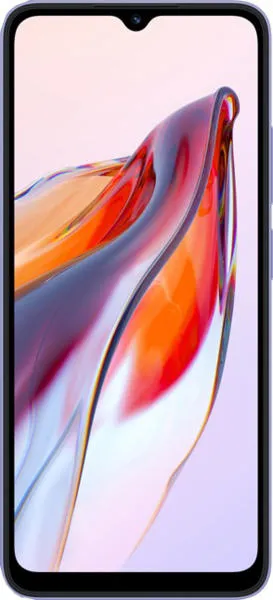
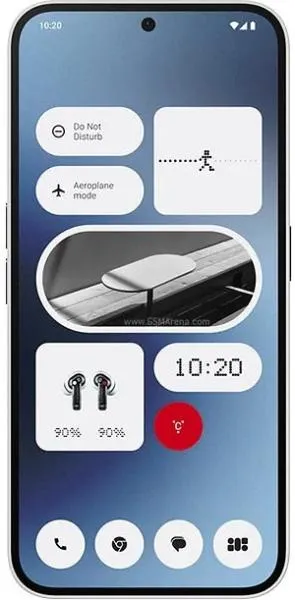
Xiaomi Redmi 12C vs. Nothing Phone (2a): A Deep Dive
Let's dissect the Xiaomi Redmi 12C and the Nothing Phone (2a), translating their specs into real-world experiences to help you decide which phone fits your needs.
1. Specifications Breakdown
| Feature | Xiaomi Redmi 12C | Nothing Phone (2a) | Real-World Implications |
|---|---|---|---|
| Design | |||
| Dimensions (mm) | 168.8 x 76.4 x 8.8 | 161.7 x 76.3 x 8.6 | (2a) slightly more compact, potentially easier to handle one-handed. |
| Weight (g) | 192 | 190 | Negligible weight difference. |
| Build Materials | Plastic | Glass/Aluminum | (2a) feels more premium and durable; 12C prioritizes affordability. |
| Display | |||
| Type | IPS LCD | AMOLED | (2a) offers deeper blacks, vibrant colors, and better outdoor visibility. |
| Size | 6.71" | 6.7" | Virtually identical screen real estate. |
| Resolution | 720 x 1650 | 1080 x 2412 | (2a) significantly sharper and more detailed; 12C noticeably less crisp. |
| Refresh Rate | N/A | 120Hz | (2a) smoother scrolling and animations, enhancing responsiveness. |
| Performance | |||
| Chipset | Helio G85 | Dimensity 7200 Pro | (2a) vastly more powerful, enabling seamless multitasking and gaming. |
| CPU | Octa-core 2.0 GHz | Octa-core 2.8 GHz | (2a) significantly faster processing speeds for demanding tasks. |
| RAM | 3/4/6GB | 8/12GB | (2a) offers more RAM for smoother multitasking and demanding applications. |
| Storage | 32/64/128GB | 128/256GB | (2a) offers more base storage for apps, photos, and videos. |
| Camera | |||
| Main Camera | 50MP | 50MP (Samsung GN9) | (2a) likely superior image quality due to larger sensor and advanced features. |
| Ultrawide | No | 50MP | (2a) offers a versatile ultrawide lens for expansive shots. |
| Video | 1080p@30fps | 4K@30fps | (2a) captures higher resolution video with better stabilization. |
| Battery Life | |||
| Capacity | 5000 mAh | 5000 mAh | Similar battery capacity, but real-world usage will vary due to chip efficiency. |
| Charging | microUSB | USB-C | (2a) offers faster charging and a more modern connector. |
2. Key Insights
The Redmi 12C is a budget-friendly device prioritizing affordability. Its strengths lie in its large display for media consumption and a long-lasting battery. However, its lower resolution display, less powerful processor, and dated microUSB port reveal its budget-oriented nature.
The Nothing Phone (2a) is a mid-range contender focusing on performance and a premium experience. Its powerful processor, high refresh rate AMOLED display, versatile camera system, and faster charging make it a compelling option. However, its price reflects these significant upgrades.
3. User Profiles and Recommendations
Redmi 12C: Ideal for budget-conscious users who prioritize basic functionality: calling, texting, social media browsing, and light media consumption. Students or seniors seeking a simple, affordable device would find it suitable.
Nothing Phone (2a): Best suited for users who demand performance and a premium experience: gamers, power users, content creators, and photography enthusiasts. Those who value a smooth, responsive interface and future-proof features will appreciate the (2a).
4. Buying Decision Framework
Questions to Ask:
- What is your budget? The 12C is significantly cheaper.
- What are your primary phone usage patterns? Basic tasks vs. demanding applications.
- How important are display quality, camera performance, and overall speed? The (2a) excels in these areas.
My Choice: The Nothing Phone (2a)
While the Redmi 12C offers excellent value for its price, I would choose the Nothing Phone (2a). As a tech journalist, I demand a device that can keep up with my workflow: multitasking, content creation, photography, and staying connected on the go. The (2a)'s powerful processor, stunning AMOLED display, versatile camera, and faster charging align perfectly with my needs. The price premium is justified by the significant leap in performance and overall user experience. The longevity offered by the (2a), thanks to its superior hardware and software support, also makes it a more compelling long-term investment. The Redmi 12C is a respectable budget option, but the (2a) offers a future-proof foundation that aligns with my usage patterns and expectations from a smartphone.
