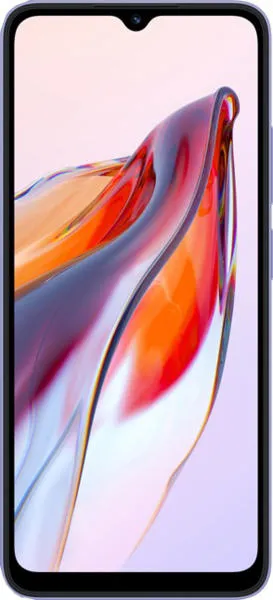
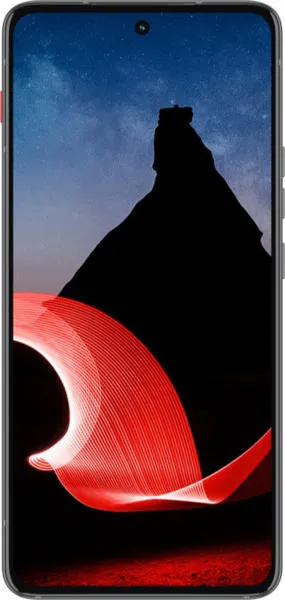
Xiaomi Redmi 12C vs. Motorola ThinkPhone: A Deep Dive
Let's dissect the Xiaomi Redmi 12C and the Motorola ThinkPhone, two smartphones catering to distinctly different needs and budgets. I'll break down their specs, analyze their real-world performance, and help you figure out which one might be your perfect match.
1. Specifications Breakdown
| Feature | Xiaomi Redmi 12C | Motorola ThinkPhone | Real-World Implications | |
|---|---|---|---|---|
| Design | ||||
| Dimensions (mm) | 168.8 x 76.4 x 8.8 | 158.8 x 74.4 x 8.3 | ThinkPhone is noticeably more compact. Redmi 12C might feel bulky for some. | |
| Weight (g) | 192 | 188.5 | Negligible difference in weight. | |
| Build Material | Plastic | Aluminum & Gorilla Glass Victus | ThinkPhone offers a more premium and durable feel. Redmi 12C prioritizes affordability. | |
| Display | ||||
| Type | IPS LCD | pOLED | ThinkPhone boasts richer colors, deeper blacks, and wider viewing angles due to its OLED technology. | |
| Size | 6.71" | 6.6" | Redmi 12C slightly larger, but the difference is minimal in practical use. | |
| Resolution | 720 x 1650 | 1080 x 2400 | ThinkPhone's sharper display delivers significantly clearer text and images. | |
| Refresh Rate | Standard (likely 60Hz) | 144Hz | ThinkPhone provides incredibly smooth scrolling and animations, enhancing gaming and overall UI responsiveness. | |
| Performance | ||||
| Chipset | Helio G85 | Snapdragon 8+ Gen 1 | ThinkPhone offers flagship-level performance, ideal for demanding tasks and gaming. Redmi 12C handles basic tasks. | |
| CPU | Octa-core (2x2.0 GHz A75 & 6x1.8 GHz A55) | Octa-core (1x3.19 GHz X2 & 3x2.75 GHz A710 & 4x1.80 GHz A510) | ThinkPhone's CPU crushes the Redmi 12C in speed and multitasking capabilities. | |
| RAM | 3/4/6GB | 8GB | ThinkPhone's ample RAM ensures seamless multitasking and app switching. Redmi 12C's performance may suffer with multiple apps open. | |
| Camera | ||||
| Main Camera | 50MP | 50MP | Comparable megapixel count, but image quality will likely differ due to sensor and processing differences. More details needed to make a definitive comparison. | |
| Video Recording | 1080p@30fps | Up to 8K@30fps | ThinkPhone offers significantly higher video resolution and frame rate options. | |
| Battery Life | ||||
| Capacity | 5000 mAh | 5000 mAh | Similar battery capacities. Real-world battery life will depend on usage and software optimization. | |
| Charging | microUSB | USB Type-C 3.1 | ThinkPhone supports faster charging and a more modern, reversible connector. |
2. Key Insights
Performance Powerhouse: The ThinkPhone, with its Snapdragon 8+ Gen 1, obliterates the Redmi 12C's Helio G85 in performance. Expect blazing-fast speeds, smooth gaming, and effortless multitasking on the ThinkPhone. The Redmi 12C is designed for essential tasks—browsing, social media, and light gaming.
Display Delight: The ThinkPhone's pOLED display with a 144Hz refresh rate offers a vastly superior visual experience. Expect vibrant colors, inky blacks, and buttery smooth animations. The Redmi 12C's LCD is functional but lacks the vibrancy and responsiveness of the ThinkPhone.
Premium vs. Practical: The ThinkPhone exudes a premium feel with its aluminum frame and Gorilla Glass Victus. The Redmi 12C, built primarily from plastic, prioritizes affordability.
3. User Profiles and Recommendations
Redmi 12C: Budget-conscious users who prioritize basic functionality: calling, texting, browsing, and social media. Students or individuals seeking an affordable secondary device.
ThinkPhone: Power users, gamers, and professionals who demand top-tier performance, a stunning display, and a premium build. Individuals who value a smooth and responsive user experience.
4. Buying Decision Framework
What's your budget? The Redmi 12C is a budget-friendly option, while the ThinkPhone sits in the premium mid-range segment.
What are your primary use cases? Basic tasks vs. demanding applications and gaming.
How important is display quality and overall performance? If these are crucial, the ThinkPhone is the clear winner. If affordability trumps all else, the Redmi 12C is a viable option.
My Choice: As a tech journalist who pushes devices to their limits, I'd choose the Motorola ThinkPhone. The Snapdragon 8+ Gen 1, coupled with the stunning pOLED display and 144Hz refresh rate, is irresistible. The premium build and fast charging are icing on the cake. While the Redmi 12C serves its purpose as an entry-level device, the ThinkPhone offers a significantly more compelling and future-proof experience for my needs. I prioritize performance and a fluid user experience, and the ThinkPhone delivers in spades.
