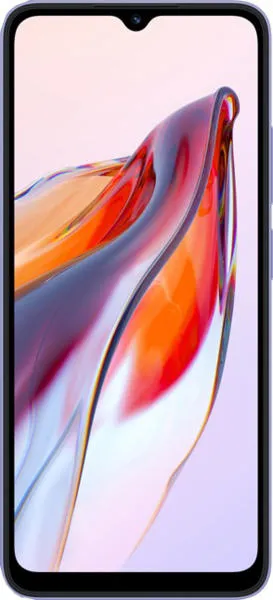
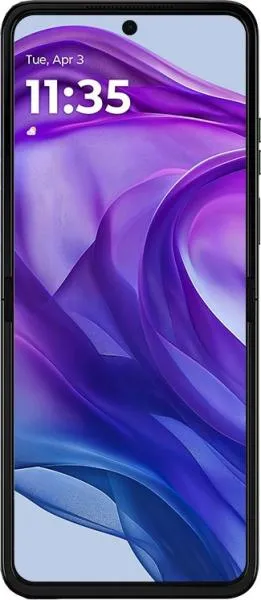
Xiaomi Redmi 12C vs. Motorola Razr 50 Ultra: A Tale of Two Smartphones
These two phones occupy completely different ends of the smartphone spectrum. One prioritizes affordability, while the other pushes the boundaries of innovation with foldable technology. Let's dissect their specifications and uncover what they offer in terms of real-world performance.
1. Specifications Breakdown
| Feature | Xiaomi Redmi 12C | Motorola Razr 50 Ultra | Real-World Implications |
|---|---|---|---|
| Design | |||
| Dimensions (mm) | 168.8 x 76.4 x 8.8 | 171.4 x 74 x 7.1 (folded) | Razr 50 Ultra is significantly more compact when folded. |
| Weight (g) | 192 | 189 | Negligible weight difference. |
| Foldable | No | Yes | Razr's foldable design offers unique portability and a "wow" factor. |
| Display | |||
| Type | IPS LCD | Foldable LTPO AMOLED | Razr boasts superior color accuracy, contrast, and refresh rate. |
| Size (inches) | 6.71 | 6.9 | Razr offers a slightly larger screen. |
| Resolution (px) | 720 x 1650 | 1080 x 2640 | Razr has a much sharper and more detailed display. |
| Refresh Rate (Hz) | - | 165 | Razr's higher refresh rate ensures smoother scrolling and animations. |
| Performance | |||
| Chipset | Helio G85 | Snapdragon 8s Gen 3 | Razr offers significantly faster processing and graphics performance. |
| CPU | Octa-core 2.0 GHz | Octa-core 3.0 GHz | Razr handles demanding tasks and multitasking with ease. |
| RAM (GB) | 3/4/6 | 12 | Razr's ample RAM enables seamless app switching and performance. |
| Camera | |||
| Main Camera (MP) | 50 | 50 (Samsung GN8) | Both have high-resolution sensors, but Razr likely uses a superior sensor. More details on the sensor would allow for better analysis. |
| Selfie Camera (MP) | 5 | 32 | Razr's selfie camera offers much higher resolution. |
| Battery Life | |||
| Capacity (mAh) | 5000 | 4000 | Redmi 12C likely offers longer battery life due to larger capacity. |
2. Key Insights
The Redmi 12C is a budget-friendly device aimed at basic smartphone users. Its strengths lie in affordability and potentially long battery life. However, it compromises on display quality, performance, and camera capabilities.
The Razr 50 Ultra, on the other hand, is a flagship foldable phone with top-tier specifications. It excels in performance, display quality, and innovative design. The trade-offs are a higher price point and potentially shorter battery life compared to the Redmi 12C.
3. User Profiles and Recommendations
Redmi 12C: Ideal for budget-conscious users who prioritize essential communication, web browsing, and light media consumption. Students, seniors, or anyone looking for a simple, affordable device would find it suitable.
Razr 50 Ultra: Perfect for tech enthusiasts, early adopters, and users who demand the best in performance, display, and design. Professionals, content creators, and those who value a compact yet powerful device would appreciate its capabilities.
4. Buying Decision Framework
- What is your budget? The Redmi 12C is significantly cheaper.
- What are your performance needs? For demanding tasks, the Razr 50 Ultra is vastly superior.
- Do you value portability and innovative design? The Razr's foldable design is a unique selling point.
Scenario-based recommendations:
- Limited budget, basic needs: Redmi 12C
- Prioritize performance and latest technology: Razr 50 Ultra
- Want a compact, premium phone with a "wow" factor: Razr 50 Ultra
My Choice: Motorola Razr 50 Ultra
While the Redmi 12C offers excellent value for its price, I would choose the Motorola Razr 50 Ultra. The foldable form factor, combined with the powerful Snapdragon processor, stunning display, and advanced camera system, represents a significant leap in mobile technology. I value the cutting-edge innovation and the convenience of a pocketable device that unfolds into a full-fledged smartphone experience. While battery life might be a slight concern, the overall performance and unique design of the Razr 50 Ultra outweigh this trade-off for me. It's a device that sparks excitement and embodies the future of mobile.
