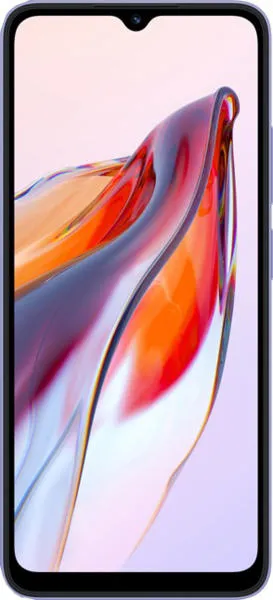
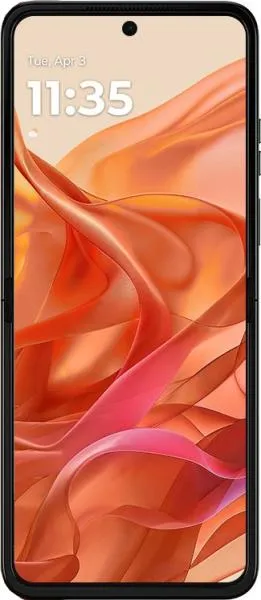
Xiaomi Redmi 12C vs. Motorola Razr 50: A Deep Dive for the Discerning Smartphone User
Hello fellow tech explorers! Today, we're pitting the budget-friendly Xiaomi Redmi 12C against the stylishly foldable Motorola Razr 50. This isn't just a spec sheet showdown; we're diving deep into the real-world implications of these differences to help you choose the perfect device.
1. Specifications Breakdown
| Feature | Xiaomi Redmi 12C | Motorola Razr 50 | Real-World Implications |
|---|---|---|---|
| Design | |||
| Dimensions (mm) | 168.8 x 76.4 x 8.8 | 171.3 x 74 x 7.3 | Razr 50 is more compact when folded, pocketable; Redmi 12C is larger, traditional candybar design. |
| Weight (g) | 192 | 188.4 | Negligible weight difference in practical use. |
| Foldable | No | Yes | Razr 50 offers a compact folded state and a larger screen when unfolded, potentially sacrificing durability and adding complexity. |
| Display | |||
| Type | IPS LCD | Foldable pOLED | Razr 50 boasts richer colors, deeper blacks, and higher brightness with potential for screen creasing due to folding mechanism. |
| Size (inches) | 6.71 | 6.9 | Razr 50 offers a slightly larger screen area. |
| Resolution (px) | 720 x 1650 | 1080 x 2640 | Razr 50 provides significantly sharper visuals due to higher resolution. |
| Refresh Rate (Hz) | - | 120 | Razr 50's smoother scrolling and animations enhance user experience. |
| Performance | |||
| Chipset | Helio G85 | Dimensity 7300X | Razr 50 offers vastly superior processing power, leading to faster app loading, multitasking, and gaming performance. |
| CPU | Octa-core 2.0 GHz | Octa-core 2.5 GHz | Razr 50 has a faster CPU, contributing to overall responsiveness. |
| RAM (GB) | 3/4/6 | 8/12 | Razr 50's larger RAM enables seamless multitasking and handling demanding applications. |
| Camera | |||
| Main Camera (MP) | 50 | 50 | Comparable main camera resolution, but image quality likely differs due to sensor and processing differences. |
| Selfie Camera(MP) | 5 | 32 | Razr 50 boasts a much higher resolution selfie camera for sharper self-portraits. |
| Battery Life | |||
| Capacity (mAh) | 5000 | 4200 | Redmi 12C has a larger battery capacity, potentially offering longer usage time, but real-world battery life depends on many factors. |
2. Key Insights
The Redmi 12C is a budget champion, offering a large display and long battery life. Its strength lies in affordability and essential functionality. However, it compromises on processing power and camera quality.
The Razr 50, on the other hand, prioritizes performance, a premium display, and innovative design. Its foldable form factor and powerful chipset cater to users seeking a cutting-edge experience. However, the smaller battery and higher price point are trade-offs.
3. User Profiles and Recommendations
Redmi 12C: Ideal for budget-conscious users, students, or those prioritizing basic communication and media consumption. It's a reliable workhorse for everyday tasks.
Razr 50: Perfect for tech enthusiasts, trendsetters, and users demanding top-tier performance and a unique foldable design. It's a statement piece with the muscle to match.
4. Buying Decision Framework
- What's your budget? The Redmi 12C is significantly more affordable.
- Do you prioritize performance or battery life? Razr 50 for performance; Redmi 12C for potentially longer battery life.
- Is a foldable design important to you? The Razr 50 offers a unique form factor.
My Choice: Motorola Razr 50
While the Redmi 12C offers excellent value, I'd choose the Razr 50. The foldable design intrigues me, and I value the superior performance and display quality for a smoother, more enjoyable user experience. I'm willing to compromise on battery life for the added benefits. The jump in chipset, RAM, and display resolution signifies a substantial leap in user experience that, for me, justifies the price difference. Plus, as a tech journalist, experiencing cutting-edge technology firsthand is essential.
