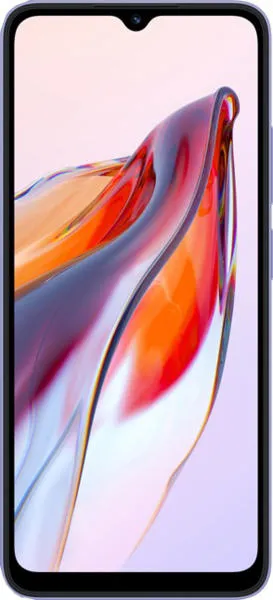
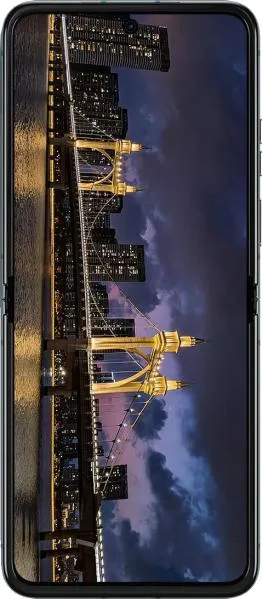
Xiaomi Redmi 12C vs. Motorola Razr 40 Ultra: A Tale of Two Smartphones
These two phones occupy completely different spaces in the mobile landscape. One is a budget-friendly workhorse, the other a cutting-edge foldable flagship. Let's dissect their specs and see what they offer in terms of real-world performance.
1. Specifications Breakdown
| Feature | Xiaomi Redmi 12C | Motorola Razr 40 Ultra | Real-World Implications |
|---|---|---|---|
| Design | |||
| Dimensions (mm) | 168.8 x 76.4 x 8.8 | 170.8 x 74 x 7 (Folded) | Razr 40 Ultra is significantly more compact when folded, enhancing portability. |
| Weight (g) | 192 | 184.5 | Razr 40 Ultra is slightly lighter despite its complex folding mechanism. |
| Foldable | No | Yes | Razr 40 Ultra offers a unique form factor and the ability to use a large screen in a smaller footprint. |
| Display | |||
| Size (inches) | 6.71 | 6.9 | Both offer large screens suitable for media consumption. |
| Resolution (px) | 720 x 1650 | 1080 x 2640 | Razr 40 Ultra boasts a much sharper and more detailed display. |
| Type | IPS LCD | Foldable LTPO AMOLED | Razr 40 Ultra's AMOLED delivers vibrant colors, deeper blacks, and better power efficiency. |
| Refresh Rate (Hz) | - | 165 | Razr 40 Ultra offers incredibly smooth scrolling and animations. |
| Performance | |||
| Chipset | Helio G85 | Snapdragon 8+ Gen 1 | Razr 40 Ultra provides vastly superior processing power for demanding tasks and gaming. |
| CPU | Octa-core 2.0 GHz | Octa-core 3.19 GHz | Razr 40 Ultra offers significantly faster and more responsive performance. |
| RAM (GB) | 3/4/6 | 8/12 | Razr 40 Ultra has more RAM, enabling smoother multitasking and handling of demanding applications. |
| Camera | |||
| Main Camera (MP) | 50 | 12 | Redmi 12C has a higher megapixel count, but Razr 40 Ultra likely has superior image quality due to advanced sensor and processing. |
| Selfie Camera(MP) | 5 | 32 | Razr 40 Ultra offers a much higher resolution selfie camera. |
| Battery Life | |||
| Capacity (mAh) | 5000 | 3800 | Redmi 12C has a larger battery capacity, potentially offering longer battery life. |
| Price | Low | Medium | Redmi 12C is significantly more affordable. |
2. Key Insights
The Redmi 12C is a budget champion, prioritizing essentials like a large display and long battery life. It’s designed for users who need a reliable smartphone for basic tasks without breaking the bank. Performance is adequate for everyday use, but don't expect flagship-level speed or graphics.
The Razr 40 Ultra is a technological showcase, featuring a cutting-edge foldable design, a stunning display, and top-tier performance. It caters to users who demand the latest and greatest technology and are willing to pay a premium for it. The foldable design offers a unique user experience, and the powerful hardware ensures smooth performance even with demanding applications.
3. User Profiles and Recommendations
Redmi 12C: Ideal for budget-conscious users, students, or anyone looking for a reliable secondary device. It's great for basic tasks like calling, texting, browsing, and social media.
Razr 40 Ultra: Perfect for tech enthusiasts, early adopters, and users who value a premium and unique mobile experience. It excels in multitasking, demanding applications, gaming, and media consumption.
4. Buying Decision Framework
- What's your budget? The Redmi 12C is significantly cheaper.
- What are your performance needs? For demanding tasks and gaming, the Razr 40 Ultra is far superior.
- Do you value portability and a unique design? The Razr 40 Ultra's foldable design offers both.
Scenario-Based Recommendations:
- Limited Budget, Basic Needs: Redmi 12C
- Power User, Latest Technology: Razr 40 Ultra
- Portability and Style Focused: Razr 40 Ultra
My Choice: Motorola Razr 40 Ultra
While the Redmi 12C offers incredible value for its price, I would choose the Motorola Razr 40 Ultra. The innovative foldable design, coupled with the powerful Snapdragon 8+ Gen 1 processor and stunning display, create a truly compelling mobile experience. As a tech journalist, I value being at the forefront of innovation, and the Razr 40 Ultra represents a significant leap forward in smartphone technology. While the price is higher, the unique form factor, top-tier performance, and excellent display make it a worthwhile investment for me. The compact size when folded is a huge advantage for portability, and the high refresh rate display would be a dream for both productivity and gaming.
