Xiaomi Redmi 12C vs. Motorola Razr 40: A Deep Dive
These two phones occupy distinct corners of the smartphone market. The Redmi 12C is a budget-friendly workhorse, while the Razr 40 is a cutting-edge foldable device. Let's dissect their specifications and uncover what they offer for different users.
1. Specifications Breakdown
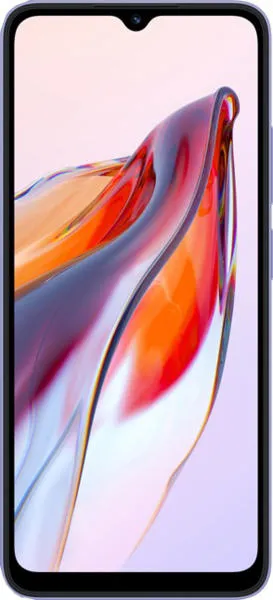
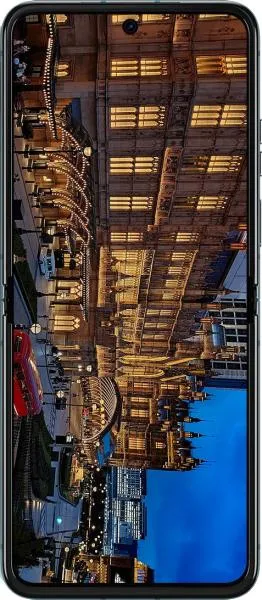
| Feature | Xiaomi Redmi 12C | Motorola Razr 40 | Real-World Implications |
|---|---|---|---|
| Design | |||
| Dimensions (mm) | 168.8 x 76.4 x 8.8 | 170.8 x 74 x 7.4 | Razr 40 is more compact when folded, pocketable. |
| Weight (g) | 192 | 188.6 | Negligible difference in hand. |
| Foldable | No | Yes | Razr 40 offers a unique form factor, smaller when closed. |
| Display | |||
| Size (inches) | 6.71 | 6.9 | Razr 40 has a slightly larger screen. |
| Resolution | 720 x 1650 | 1080 x 2640 | Razr 40 offers significantly sharper visuals. |
| Type | IPS LCD | Foldable pOLED | Razr 40 boasts vibrant colors, deeper blacks, high refresh rate. |
| Refresh Rate | - | 144Hz | Razr 40 ensures smoother scrolling and animations. |
| Performance | |||
| Chipset | Helio G85 | Snapdragon 7 Gen 1 | Razr 40 delivers much faster processing, better gaming. |
| CPU | Octa-core 2.0 GHz | Octa-core 2.4 GHz | Razr 40 handles demanding tasks with ease. |
| RAM (GB) | 3/4/6 | 8 | Razr 40 enables seamless multitasking. |
| Camera | |||
| Main Camera (MP) | 50 | 64 | Razr 40 likely captures more detailed photos. |
| Selfie Camera (MP) | 5 | 32 | Razr 40 offers a vastly superior selfie experience. |
| Video | 1080p@30fps | 4K@30fps | Razr 40 records higher resolution video. |
| Battery Life | |||
| Capacity (mAh) | 5000 | 4200 | Redmi 12C likely has longer battery life. |
2. Key Insights
The Redmi 12C prioritizes affordability and long battery life. It's a practical device for basic tasks like calling, texting, browsing, and light media consumption. However, its lower resolution display and less powerful processor limit its gaming and multitasking capabilities.
The Razr 40, on the other hand, is a premium foldable phone with a focus on performance, display quality, and cutting-edge technology. Its foldable design offers a unique user experience, and the powerful Snapdragon processor ensures smooth performance even with demanding applications. The trade-off is a smaller battery and a significantly higher price.
3. User Profiles and Recommendations
Redmi 12C: Ideal for budget-conscious users, students, or anyone seeking a reliable phone for essential communication and light usage. It's a great value proposition for those who prioritize battery life over raw performance.
Razr 40: Perfect for tech enthusiasts, early adopters, and those who value a premium, compact, and stylish device. The foldable design is a conversation starter, and the powerful hardware ensures a flagship-level experience.
4. Buying Decision Framework
- What's your budget? The Redmi 12C is significantly cheaper, making it a practical choice for those on a tight budget.
- What are your primary phone usage patterns? For basic tasks, the Redmi 12C suffices. If you need high performance, gaming, or multitasking, the Razr 40 is the better choice.
- How important is portability and design? The Razr 40's foldable design offers unparalleled portability, while the Redmi 12C is a more traditional slab phone.
Scenario-Based Recommendations:
- Limited budget, basic usage: Redmi 12C
- Power user, demanding tasks, desires unique form factor: Razr 40
- Student needing a long-lasting phone for note-taking and communication: Redmi 12C
- Professional seeking a stylish, high-performance device: Razr 40
My Choice: Motorola Razr 40
While the Redmi 12C is a commendable budget option, I would choose the Motorola Razr 40. The foldable form factor is incredibly appealing to me, offering a compact device that easily fits in my pocket without sacrificing screen real estate when unfolded. The superior display, powerful processor, and enhanced camera capabilities align with my needs as a tech journalist who often uses their phone for multitasking, content creation, and capturing high-quality photos and videos. While the battery life might be a slight concern, the trade-off for the cutting-edge technology and unique user experience is worth it for me. The price premium reflects the advanced technology and premium materials used in the Razr 40, and I am willing to invest in a device that offers a significant leap in innovation and functionality.
