Xiaomi Redmi 12C vs. Motorola Moto G85: A Deep Dive for the Discerning Smartphone Buyer
Hello fellow tech enthusiasts! Alex Griffin here, ready to dissect the Xiaomi Redmi 12C and the Motorola Moto G85. We'll go beyond the spec sheets to uncover what these phones really offer in terms of daily use. Let's get started!
1. Specifications Breakdown
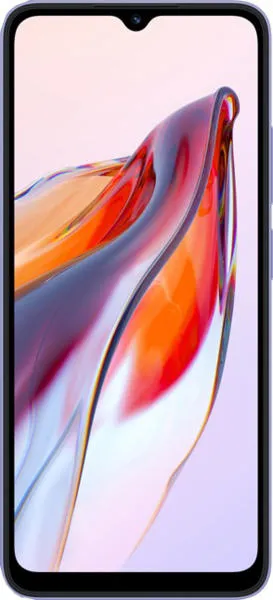
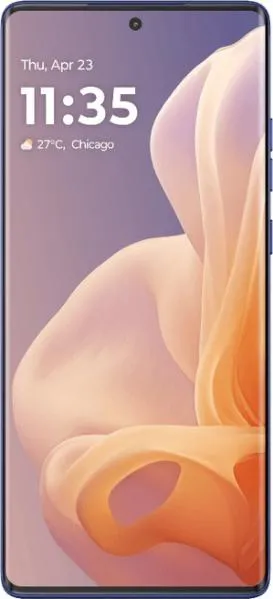
| Feature | Xiaomi Redmi 12C | Motorola Moto G85 | Real-World Implications |
|---|---|---|---|
| Design | |||
| Dimensions (mm) | 168.8 x 76.4 x 8.8 | 161.9 x 73.1 x 7.6 | Moto G85 is slightly more compact and thinner. |
| Weight (g) | 192 | 171 | Moto G85 feels noticeably lighter in hand, reducing fatigue during extended use. |
| Build Material | Plastic | Plastic | Expect similar durability; consider a case for both. |
| Display | |||
| Type | IPS LCD | P-OLED | Moto G85 offers deeper blacks, more vibrant colors, and potentially better battery efficiency. |
| Size | 6.71" | 6.67" | Negligible size difference; both offer ample screen real estate. |
| Resolution | 720 x 1650 | 1080 x 2400 | Moto G85 boasts significantly sharper visuals, crucial for media consumption and gaming. |
| Refresh Rate | N/A | 120Hz | Moto G85 provides smoother scrolling and animations, resulting in a more fluid user experience. |
| Performance | |||
| Chipset | Helio G85 | Snapdragon 6s Gen 3 | Moto G85 features a more modern and powerful processor, leading to better overall performance. |
| CPU | Octa-core (2x2.0 GHz Cortex-A75 & 6x1.8 GHz Cortex-A55) | Octa-core (2x2.3 GHz Cortex-A78 & 6x2.0 GHz Cortex-A55) | Moto G85 has a performance advantage due to faster cores and architecture. |
| RAM | 3/4/6GB | 8/12GB | Moto G85 offers more RAM, enabling superior multitasking and smoother performance with demanding apps. |
| Camera | |||
| Main Camera | 50MP | 50MP (Sony LYT-600) | Moto G85 likely has better low-light performance and image quality thanks to the Sony sensor. |
| Selfie Camera | 5MP | 32MP | Moto G85 provides much higher resolution for selfies and video calls. |
| Battery Life | |||
| Capacity | 5000mAh | 5000mAh | Similar battery capacities; actual battery life depends on usage and screen-on time. |
| Charging | microUSB | USB-C | Moto G85 adopts the more modern and versatile USB-C standard. |
| Other | |||
| OS | Android 12 | Android 14 | Moto G85 ships with a newer Android version, offering potential feature and security advantages. |
| Price Range | Low | Medium | Redmi 12C targets budget-conscious buyers; Moto G85 offers more premium features at a higher cost. |
2. Key Insights
The Redmi 12C prioritizes affordability. Its strengths lie in its large display and long-lasting battery. However, its lower resolution screen and less powerful processor reveal its budget nature.
The Moto G85 aims for a more balanced experience. Its OLED display, faster processor, superior camera system, and more RAM deliver a noticeable performance and visual upgrade. The inclusion of USB-C and the latest Android version further solidify its position as the more modern device.
3. User Profiles and Recommendations
Redmi 12C: Ideal for users on a tight budget who prioritize basic functionality: calling, texting, web browsing, and casual social media. Students or those seeking a secondary device would find it suitable.
Moto G85: Best suited for users who value a more well-rounded experience, including gaming, media consumption, and multitasking. Photographers will appreciate the improved camera system.
4. Buying Decision Framework
- What's your budget? If price is your primary concern, the Redmi 12C is the clear winner.
- What are your primary use cases? For basic tasks, the Redmi 12C suffices. For demanding apps and media, the Moto G85 is necessary.
- How important is future-proofing? The Moto G85, with its newer OS, USB-C port, and more powerful processor, offers better longevity.
My Choice: The Motorola Moto G85
While the Redmi 12C is a commendable budget option, I would choose the Motorola Moto G85. The superior display, performance, and camera system are worth the price difference for me. I value a fluid user experience and appreciate the future-proofing that the Moto G85 provides with its modern features and updated software. The sharper screen, faster refresh rate, and more powerful chipset would greatly enhance my daily workflow and entertainment consumption. While the Redmi 12C is a solid entry-level device, the Moto G85 provides a noticeable step up in overall quality and user experience.
