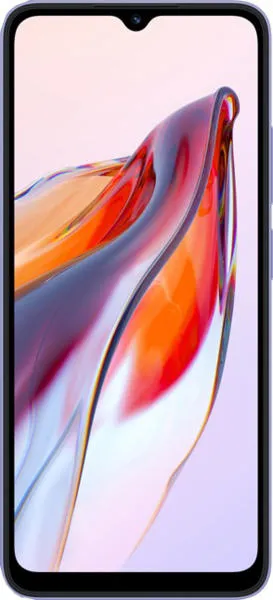
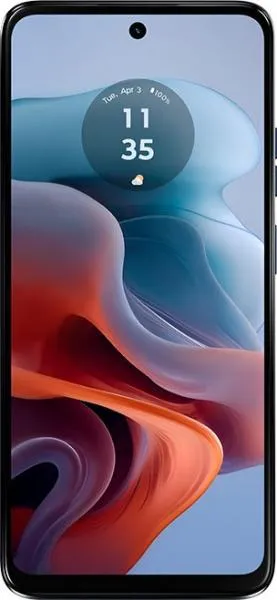
Xiaomi Redmi 12C vs. Motorola Moto G34: A Practical Comparison
Let's dive into a detailed comparison of the Xiaomi Redmi 12C and the Motorola Moto G34, focusing on how their specifications translate to real-world user experiences.
1. Specifications Breakdown
| Feature | Xiaomi Redmi 12C | Motorola Moto G34 | Real-World Implications |
|---|---|---|---|
| Design | |||
| Dimensions (mm) | 168.8 x 76.4 x 8.8 | 162.7 x 74.6 x 8.0 | Moto G34 is slightly more compact and pocketable. |
| Weight (g) | 192 | 179 | Moto G34 feels noticeably lighter in hand. |
| Build Material | Plastic | Plastic | Expect similar durability; consider a case for both. |
| Display | |||
| Size | 6.71" | 6.5" | Redmi 12C offers a larger screen for media consumption. |
| Resolution | 720 x 1650 | 720 x 1600 | Comparable sharpness; neither boasts exceptional pixel density. |
| Refresh Rate | Standard | 120Hz | Moto G34's smoother refresh rate provides a more fluid and responsive user experience. |
| Panel Type | IPS LCD | IPS LCD | Expect decent color reproduction and viewing angles from both, but not flagship-level quality. |
| Performance | |||
| Chipset | Helio G85 | Snapdragon 695 | Moto G34's Snapdragon offers significantly better performance and 5G connectivity. |
| CPU | Octa-core (2.0 GHz) | Octa-core (2.2 GHz) | Moto G34 delivers faster processing speeds for demanding tasks and multitasking. |
| GPU | Mali-G52 MC2 | Adreno 619 | Moto G34's GPU handles gaming and graphics-intensive apps more effectively. |
| RAM | 3/4/6GB | 4/8GB | Both offer sufficient RAM for daily use, but Moto G34's higher options enable smoother multitasking. |
| Camera | |||
| Main Camera | 50MP | 50MP | Comparable main camera resolution; real-world image quality depends on sensor and processing. |
| Selfie Camera | 5MP | 16MP | Moto G34 boasts a much better selfie camera for sharper and more detailed self-portraits. |
| Battery Life | |||
| Capacity | 5000 mAh | 5000 mAh | Expect similar battery life; actual usage varies depending on individual habits. |
| Charging | microUSB | USB-C | Moto G34 offers the more modern and versatile USB-C port. |
2. Key Insights
- Performance: The Moto G34 significantly outperforms the Redmi 12C thanks to its more powerful Snapdragon 695 chipset and superior GPU. This translates to smoother multitasking, faster app loading, and better gaming capabilities.
- Display: While both phones have similar resolutions, the Moto G34's 120Hz refresh rate provides a noticeable advantage in terms of smoothness and responsiveness, especially when scrolling and gaming.
- Camera: Both phones feature a 50MP main camera, but the Moto G34 shines with its 16MP selfie camera, offering significantly better image quality for self-portraits and video calls. The G34 also boasts additional camera features like Laser Autofocus.
- Connectivity: The Moto G34 supports 5G, future-proofing your connectivity. The Redmi 12C is limited to 4G.
- Price: The Redmi 12C targets the budget segment, while the Moto G34 sits in the mid-range. This price difference reflects the performance and feature gap.
3. User Profiles and Recommendations
- Redmi 12C: Best suited for budget-conscious users who prioritize a large display for media consumption and basic everyday tasks like browsing and social media. It's a great option for light users or as a secondary device.
- Moto G34: Ideal for users who demand smoother performance, better gaming capabilities, a superior selfie camera, and 5G connectivity. This phone caters to those who engage in more demanding tasks and appreciate a more responsive user experience.
4. Buying Decision Framework
- What's your budget? If price is your primary concern, the Redmi 12C offers excellent value. If you can stretch your budget, the Moto G34 provides significant upgrades.
- What are your primary use cases? For basic tasks and media consumption, the Redmi 12C suffices. For gaming, multitasking, and demanding applications, the Moto G34 is the clear winner.
- How important is future-proofing? The Moto G34's 5G connectivity ensures you're prepared for next-generation networks.
My Choice: The Motorola Moto G34
If I were choosing between these two phones, I'd opt for the Motorola Moto G34. While the Redmi 12C offers excellent value for its price, the Moto G34's superior performance, smoother display, better selfie camera, USB-C charging, and 5G connectivity make it a more compelling overall package. The slightly higher price is justified by the significant jump in user experience. The Snapdragon 695 is a proven performer, and the 120Hz display makes a noticeable difference in daily use. As a tech enthusiast, I value the future-proofing offered by 5G and appreciate the faster and more versatile USB-C port.
