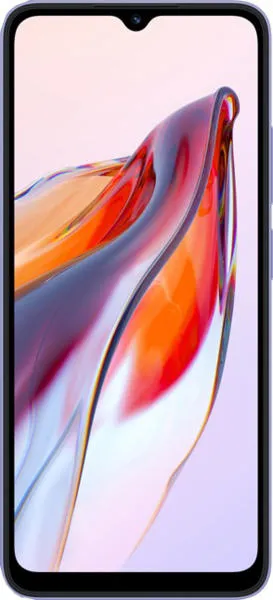
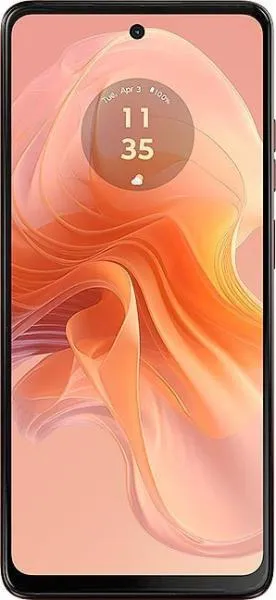
Xiaomi Redmi 12C vs. Motorola Moto G04s: A Deep Dive
Let's dissect the Xiaomi Redmi 12C and the Motorola Moto G04s, two contenders vying for a spot in your pocket. I'll break down their specs, analyze their real-world performance, and help you decide which phone best fits your needs.
1. Specifications Breakdown
| Feature | Xiaomi Redmi 12C | Motorola Moto G04s | Real-World Implications |
|---|---|---|---|
| Design | |||
| Dimensions (mm) | 168.8 x 76.4 x 8.8 | 163.5 x 74.5 x 8.0 | G04s slightly more compact, potentially easier to handle. |
| Weight (g) | 192 | 178.8 | G04s noticeably lighter, reducing hand fatigue during extended use. |
| USB Type | microUSB 2.0 | USB Type-C 2.0 | G04s offers faster charging and more versatile connectivity. |
| Display | |||
| Size (inches) | 6.71 | 6.56 | Redmi 12C slightly larger screen for media consumption. |
| Resolution (px) | 720 x 1650 | 720 x 1612 | Virtually identical sharpness; minimal real-world difference. |
| Refresh Rate (Hz) | - | 90 | G04s smoother scrolling and animations, enhancing visual fluidity. |
| Display Type | IPS LCD | IPS LCD | Similar color accuracy and viewing angles expected. |
| Performance | |||
| Chipset | Helio G85 | Unisoc T606 | G85 likely offers a slight edge in gaming performance. |
| CPU | Octa-core | Octa-core | Comparable processing power for everyday tasks. |
| RAM (GB) | 3/4/6 | 4 | More RAM options with Redmi 12C, benefiting multitasking. |
| OS | Android 12 | Android 14 | G04s has a newer OS, potentially longer software support. |
| Camera | |||
| Rear Camera (MP) | 50 | 50 | Comparable main camera resolution. |
| Selfie Camera (MP) | 5 | 5 | Identical selfie camera resolution. |
| Battery Life | |||
| Capacity (mAh) | 5000 | 5000 | Similar battery capacity; real-world usage will determine longevity. |
2. Key Insights
Performance: While both chipsets target efficiency, the Helio G85 in the Redmi 12C might offer a slightly better gaming experience. However, for everyday tasks, the difference should be negligible. The G04s benefits from the newer, more polished software experience of Android 14, promising performance enhancements and potential future-proofing via longer software update cycles.
Display: The G04s's 90Hz refresh rate significantly enhances the user experience, making scrolling and animations noticeably smoother. While the Redmi 12C boasts a slightly larger screen, the resolution difference is inconsequential.
User Experience: The G04s modernizes with a USB-C port, providing faster charging and data transfer compared to the Redmi 12C's microUSB. The side-mounted fingerprint sensor on the Moto G04s might offer a more ergonomic unlocking experience compared to the rear-mounted sensor on the Redmi 12C.
Value: The Redmi 12C offers more RAM and storage configurations at aggressive price points, making it potentially more appealing to budget-conscious buyers. The G04s comes with Android 14 at an attractive price point.
3. User Profiles and Recommendations
Redmi 12C: Best suited for budget-conscious users prioritizing large screen size and multiple RAM/storage options. Ideal for casual gaming, social media, and basic productivity.
Moto G04s: Ideal for users who value a smooth user experience thanks to the 90Hz display and prefer the latest Android version with potential for extended software support. Suitable for users who prioritize modern conveniences like USB-C.
4. Buying Decision Framework
- What's your budget? The Redmi 12C generally offers lower starting prices.
- Is a smooth display crucial? The G04s's 90Hz refresh rate provides a noticeable advantage in visual fluidity.
- How important is having the latest software? The G04s ships with Android 14, offering potential longevity and feature updates.
My Choice: Motorola Moto G04s
While the Redmi 12C offers compelling value, I'd choose the Moto G04s. The 90Hz display, USB-C port, and Android 14 represent significant quality-of-life improvements that outweigh the marginal performance benefits of the Redmi 12C. The G04s offers a more modern, refined experience, making it a better long-term investment in my view. While price differences exist, the combination of up-to-date software and crucial usability enhancements justifies the potential extra cost for me.
