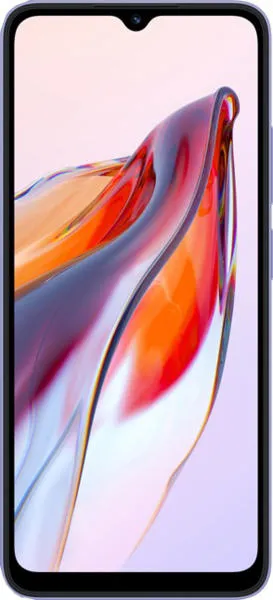
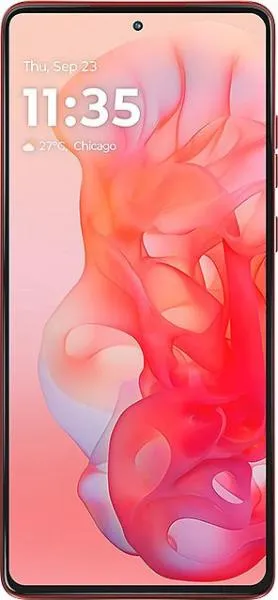
Let's dive into a comparative analysis of the Xiaomi Redmi 12C and the Motorola Moto G Stylus 5G (2024). These phones cater to different segments of the market, and understanding their strengths and weaknesses will help you determine which one best suits your needs.
1. Specifications Breakdown
| Feature | Xiaomi Redmi 12C | Motorola Moto G Stylus 5G (2024) | Real-World Implications |
|---|---|---|---|
| Design | |||
| Dimensions (mm) | 168.8 x 76.4 x 8.8 | 162.6 x 74.8 x 8.3 | Moto G Stylus is slightly more compact. |
| Weight (g) | 192 | 190 | Negligible weight difference. |
| Build Material | Plastic | Plastic | Expect similar durability; consider a case for both. |
| Display | |||
| Display Type | IPS LCD | pOLED | Moto G Stylus offers deeper blacks, more vibrant colors, and potentially better power efficiency. |
| Display Size (inches) | 6.71 | 6.7 | Nearly identical screen real estate. |
| Resolution | 720 x 1650 | 1080 x 2400 | Moto G Stylus has a significantly sharper display. Redmi 12C's resolution is noticeably lower. |
| Refresh Rate (Hz) | - | 120 | Smoother scrolling and animations on the Moto G Stylus. |
| Performance | |||
| Chipset | Helio G85 | Snapdragon 6 Gen 1 | Moto G Stylus boasts a more powerful and efficient processor. |
| CPU | Octa-core | Octa-core | Both have eight cores, but the Snapdragon 6 Gen 1's architecture is superior. |
| RAM (GB) | 3/4/6 | 8 | Moto G Stylus offers more RAM for smoother multitasking. |
| Storage (GB) | 64/128 | 256 | Moto G Stylus provides significantly more storage. |
| Camera | |||
| Main Camera (MP) | 50 | 50 | Comparable main camera resolution. |
| Front Camera (MP) | 5 | 32 | Moto G Stylus has a much higher resolution selfie camera. |
| Video Recording | 1080p@30fps | 4K@30fps | Moto G Stylus can record higher resolution video. |
| Battery Life | |||
| Battery Capacity (mAh) | 5000 | 5000 | Similar battery capacity. Actual battery life will depend on usage and software optimization. |
| Other Features | |||
| Stylus | No | Yes | Moto G Stylus includes a built-in stylus for note-taking and drawing. |
| OS | Android 12 | Android 14 | Moto G Stylus comes with a newer Android version and likely longer software support. |
| 5G Connectivity | No | Yes | Moto G Stylus offers faster cellular data speeds where available. |
| Price Range | Low | Medium | Redmi 12C is significantly more affordable. |
2. Key Insights
The Redmi 12C is a budget-friendly device prioritizing affordability. Its strengths lie in its large battery and decent main camera for its price point. However, it compromises on display resolution, performance, and features.
The Moto G Stylus 5G (2024) offers a more well-rounded experience with a superior display, a faster processor, more RAM and storage, 5G connectivity, and the unique stylus functionality. It targets users who value productivity and a smoother user experience but comes at a higher price.
3. User Profiles and Recommendations
Redmi 12C: Ideal for budget-conscious users who prioritize basic communication, social media, and light web browsing. It's a good option for those seeking a large screen and long battery life without demanding high performance.
Moto G Stylus 5G (2024): Suitable for users who multitask frequently, consume media, play mobile games, and value productivity features like the stylus. The sharper display, faster performance, and ample storage make it a strong contender in the mid-range segment. Creative individuals who enjoy note-taking or sketching will appreciate the integrated stylus.
4. Buying Decision Framework
- What is your budget? If price is a primary concern, the Redmi 12C is the more affordable option.
- What are your primary use cases? For basic tasks, the Redmi 12C suffices. For demanding tasks and productivity, the Moto G Stylus 5G is better equipped.
- Do you value features like a stylus and 5G connectivity? If so, the Moto G Stylus 5G is the clear winner.
My Choice: Motorola Moto G Stylus 5G (2024)
While the Redmi 12C offers excellent value for its price, I would choose the Moto G Stylus 5G (2024). The significantly improved display, faster processor, ample RAM and storage, and the added versatility of the stylus are compelling. The jump to a higher resolution, faster refresh rate OLED screen alone drastically improves the user experience. While the price is higher, the long-term benefits of a smoother, more powerful device with updated software and 5G capabilities outweigh the initial cost for me. I appreciate having a future-proof device that can handle demanding tasks and provide a more enjoyable overall user experience. The stylus adds a layer of productivity and creativity that I find particularly appealing.
